Vitamin C Serum Benefits: How to Use & What to Buy
Vitamin C serum might be the most talked-about skincare product of the decade — and the most confusing to shop for. L-ascorbic acid, MAP, SAP, 10 percent, 20 percent… it is no wonder so many bottles end up abandoned in drawers. This guide cuts through the noise: what vitamin C does, which form to buy, how to use it, and the mistakes that waste your money.
10 Things to Know About Vitamin C Serum
1. It Brightens Dull, Tired-Looking Skin
This is vitamin C’s signature move: it inhibits excess melanin production for a more even, luminous complexion. If your skin looks flat and lackluster no matter how much you sleep, vitamin C is one of the first ingredients worth trying.
2. It Fades Dark Spots and Sun Damage
Post-acne marks, melasma patches, and sun spots all respond to consistent use. It will not erase them overnight — expect visible fading in 8 to 12 weeks — but it is one of the few brightening ingredients with genuinely strong evidence behind it.
3. It Supports Collagen Production
Vitamin C is a cofactor your skin needs to build collagen, the protein that keeps skin firm and bouncy. That is why it shows up in nearly every serious discussion of anti-aging ingredients. It will not replace procedures, but as part of a long-term routine, it helps skin age more gracefully.
4. It Is a Powerful Antioxidant
Every day, UV rays and pollution generate free radicals that damage skin cells. Vitamin C neutralizes them. Think of it as a daily shield that works underneath your sunscreen — the two together protect far better than either alone.
5. Not All Vitamin C Is the Same
L-ascorbic acid is the purest and most studied form — also the most irritating and unstable. Sodium ascorbyl phosphate (SAP) and magnesium ascorbyl phosphate (MAP) are gentler derivatives, ideal for sensitive skin. Beginners should start with a derivative; experienced users wanting maximum potency can go for L-ascorbic acid.
6. Concentration Matters — 10 to 20 Percent Is the Sweet Spot
For L-ascorbic acid, benefits plateau around 20 percent and higher concentrations mostly add irritation — 10 to 15 percent is plenty. Derivatives like MAP and SAP work at lower concentrations (around 5 percent), so do not compare numbers across forms.
7. Packaging Matters More Than You Think
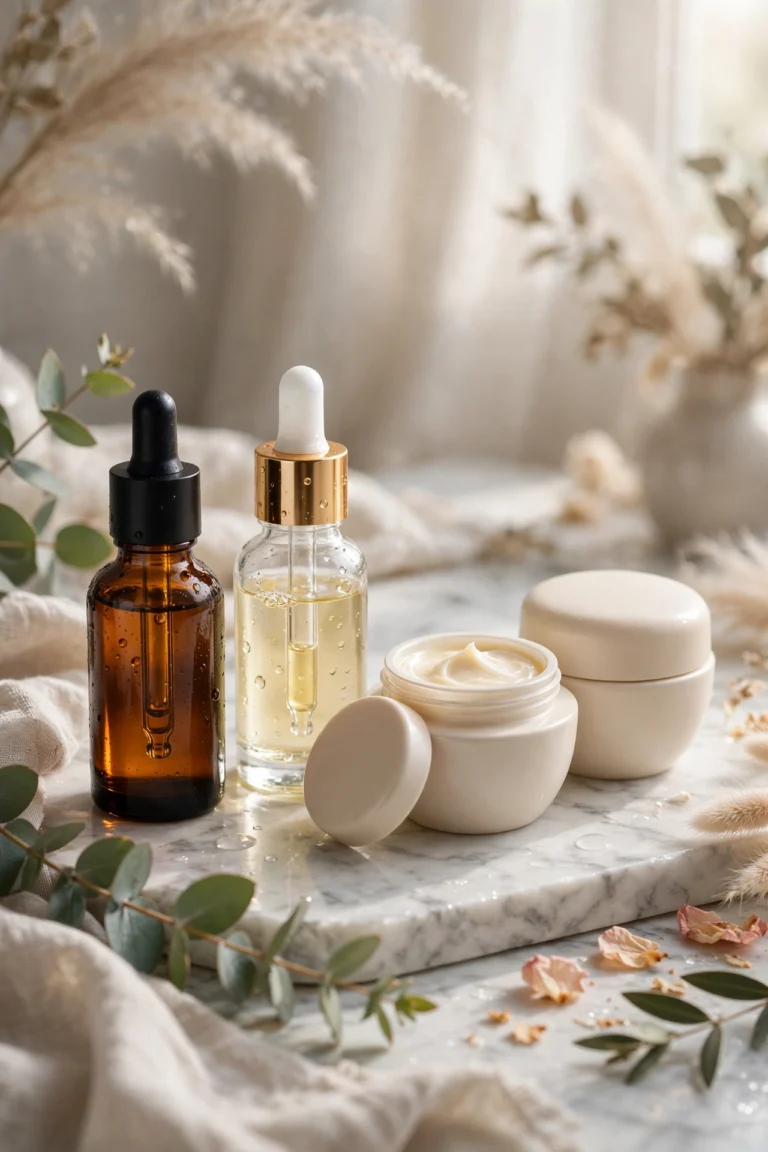
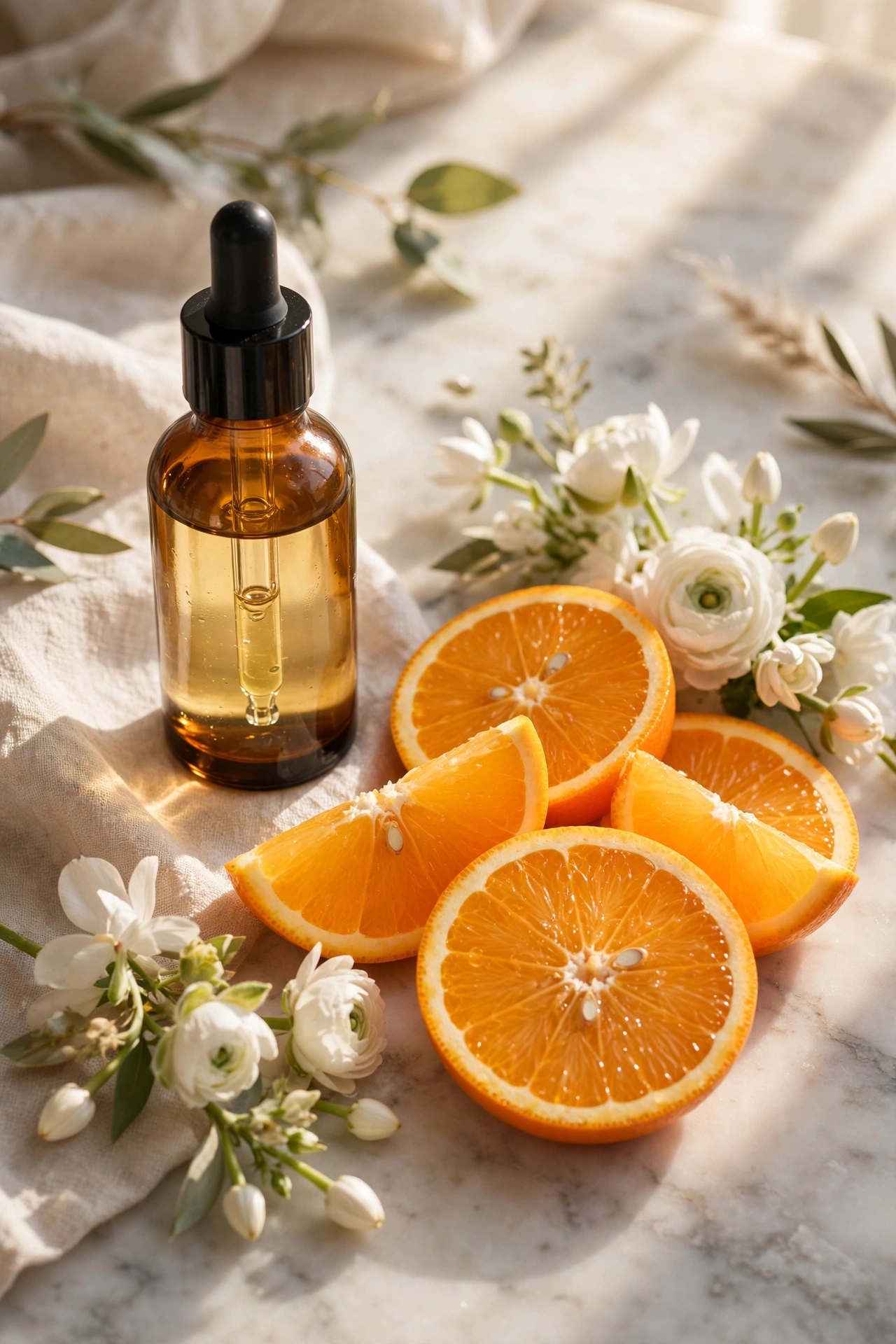
Vitamin C oxidizes when exposed to light and air, turning from clear to yellow to brown as it loses potency. Choose dark or opaque bottles, preferably airless pumps, and store your serum in a cool, dark place — not on a sunny bathroom shelf. A serum that arrives dark orange is already past its prime.
8. Morning Application Gets You the Most Benefit
Because vitamin C is an antioxidant, it shines during the day when your skin faces UV and pollution. Apply it in the morning under moisturizer and sunscreen. That said, if your skin is sensitive, using it at night is perfectly fine — consistency beats perfect timing.
9. It Pairs Beautifully with Vitamin E and Ferulic Acid
This famous trio works because vitamin E and ferulic acid stabilize vitamin C and roughly double its antioxidant protection. Many top serums already include all three, saving you the trouble of layering.
10. Introduce It Slowly — Especially Around Strong Actives
Vitamin C plus strong acids or retinoids can irritate skin at full strength. Start vitamin C alone, every other morning, then build up — or simply keep vitamin C in the morning and retinoids at night.
How to Use Vitamin C Serum: A Step-by-Step Guide
Step 1: Patch Test First
Apply a small amount behind your ear or along your jawline and wait 24 hours. L-ascorbic acid in particular can sting or cause redness in sensitive skin. A little tingling that fades in a minute is normal; lingering burning is not.
Step 2: Apply to Clean, Dry Skin in the Morning
After cleansing, apply serum before heavier products — most vitamin C serums work best on dry skin. Slot it where a treatment serum belongs in your morning skincare routine: cleanse, treat, moisturize, protect.
Step 3: Use Less Than You Think
Three to four drops — about a pea-sized amount — covers your whole face. A 30ml bottle should last two to three months. Slathering on extra does not speed up results; it just empties your wallet faster.
Step 4: Layer Thinnest to Thickest
Serum first, then moisturizer, then sunscreen. Wait about a minute between layers so each one can absorb. If you use other serums, apply vitamin C first unless another product specifically needs to go before it (a low-pH exfoliant, for example).
Step 5: Always Finish with Sunscreen
Vitamin C boosts sun protection but is not a substitute for it — SPF 30 or higher every morning, no exceptions.
Frequently Asked Questions
Can I use vitamin C with retinol?
Yes, but separate them: vitamin C in the morning, retinol at night. Layering both in one routine can work for resilient skin, but there is rarely an advantage worth the irritation risk.
Why did my vitamin C serum turn brown?
It oxidized — light, air, and heat degrade vitamin C, and the shift from clear to yellow to brown tracks its loss of potency. Slightly yellow is still usable; dark brown should be replaced. Next time, choose airless, opaque packaging stored somewhere cool and dark.
How long until I see results?
Brightness often improves within two to four weeks; fading dark spots takes eight to twelve weeks of daily use. Collagen benefits build over months. Vitamin C is a marathon ingredient — take a starting photo to track progress you might otherwise miss.
Is vitamin C safe for sensitive skin?
Yes, with the right form — skip L-ascorbic acid and choose a gentle derivative like SAP or MAP at a modest concentration, starting every other day. Once your skin adjusts, the glass skin guide has great layering ideas for extra glow. 🍊