Lip Makeup Tips for Smooth, Long-Lasting Color
There is nothing more annoying than perfect morning lipstick turning feathered, faded, or mysteriously tooth-bound by lunch. Lip makeup seems simple, but smooth, long-lasting color is a little system: prep, base, application, and setting. Nail it and your lipstick survives coffee, meetings, and most of the day. Here are the 10 tips that make it happen.
10 Lip Makeup Tips for Smooth, Long-Lasting Color
1. Exfoliate First — Gently
Lipstick clings to flakes and settles into cracks, so smooth lips are the foundation of everything. Once or twice a week, buff lips with a soft toothbrush or a gentle lip scrub in circular motions, then wipe clean. If your lips are very chapped, skip the scrub and focus on hydration for a few days instead — exfoliating damaged lips only makes things worse.
2. Moisturize Before Anything Else
Apply lip balm as the first step of your makeup routine, then do the rest of your face. By the time you reach lip color, the balm has sunk in — blot any excess for hydrated lips without the slippery base that makes lipstick slide.
3. Create a Base with Primer or Concealer
A thin layer of lip primer — or a dab of your regular concealer — evens out your natural lip color and gives pigment something to grip. This step makes a huge difference with sheer or light shades, which can look patchy over uneven natural lip tone. Keep the layer thin; thick base equals cakey lips.
4. Line Your Lips — and Fill Them In
Lip liner is not just for the edges. Outlining defines your shape and prevents feathering, but filling in your entire lip with liner creates a stain-like base that holds color for hours even as the lipstick on top wears off. Choose a liner that matches your lipstick, or one close to your natural lip color for a versatile option.
5. Apply Color in Thin Layers
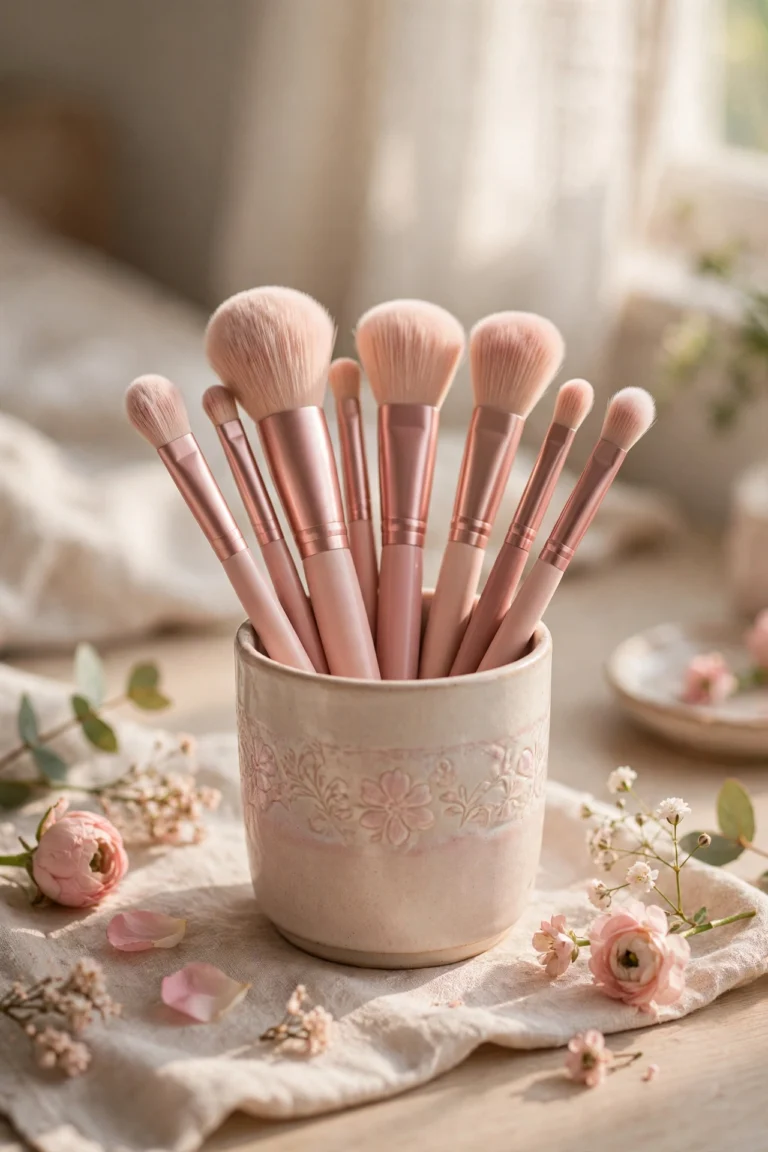
One thick coat wears off in chunks; two or three thin layers wear off evenly. Apply from the bullet or with a lip brush for precision, building gradually — the right applicators matter, which is why knowing your everyday makeup essentials makes the whole routine easier.
6. Blot Between Coats
After your first layer, press a tissue gently between your lips, then apply the second layer. Blotting removes excess oils and moisture while leaving the pigment behind, so each layer bonds better to the one beneath. This old makeup-artist trick is the single best thing you can do for longevity.
7. Clean Up the Edges with Concealer
Even steady hands benefit from a final cleanup. Take a small flat brush with a touch of concealer and trace just outside your lip line. This sharpens the shape, erases any wobbles, and makes your lip color look professionally done. It is the difference between “nice lipstick” and “wow, your lips look amazing.”
8. Pick the Right Formula for the Occasion
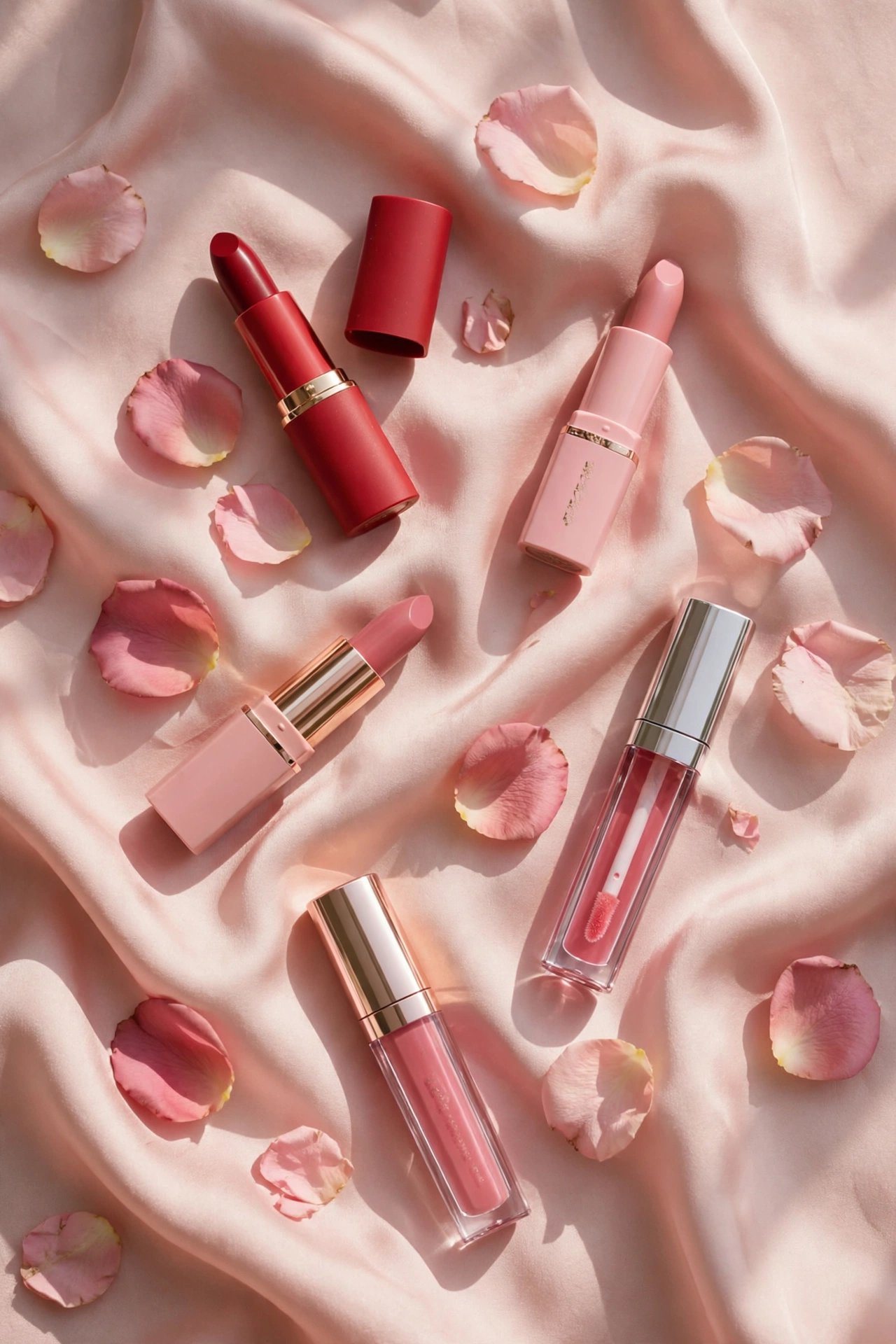
Matte liquid lipsticks last the longest but are the most drying. Satin and cream finishes are comfortable and forgiving but need reapplication. Glosses are gorgeous and hydrating but high-maintenance. Match the formula to your day: matte for long events, satin for everyday, gloss when you do not mind touch-ups.
9. Keep Lips Hydrated Through the Day
Long-wear formulas are drying by design. Dab a little clear balm over your lipstick midday to keep lips comfortable — press it on gently rather than rubbing, so you do not disturb the color underneath. Drinking water helps too; dehydrated lips make any formula look worse.
10. Fix Mistakes Without Starting Over
Smudged outside the line? Do not start over — dip a cotton swab in micellar water, erase just the mistake, and touch up. For lipstick on teeth: put a clean finger in your mouth, close your lips around it, and pull out — the excess transfers to your finger, not your smile.
Pro Tips: Make Your Lipstick Survive Meals
- The tissue-and-powder sandwich: apply lipstick, hold a single-ply tissue over your lips, and dust translucent powder through it. Remove the tissue and apply one more thin layer. This sets color remarkably well.
- Eat strategically. Oily foods break down lipstick fastest. It sounds fussy, but cutting food into smaller bites and keeping greasy foods away from your lips genuinely extends wear.
- Reapply only the center. When color fades, it fades from the inner lip first. A quick dab of lipstick just in the center, pressed together, refreshes the whole look without layering product over product.
- Hot weather? Long-wear lip formulas face the same enemies as the rest of your makeup in heat — the setting tricks in our sweatproof makeup guide work just as well for lips.
Frequently Asked Questions
Why does my lipstick feather into the lines around my mouth?
Feathering is lipstick migrating into fine lines — more common with age and creamy formulas. Prevent it by filling lips fully with liner (it acts as a barrier), avoiding overly emollient formulas, and trying a dedicated lip primer. Lighter shades show feathering less than deep reds.
How can I make thin lips look fuller?
Line just outside your natural lip line (a millimeter, not a mile), dab a lighter shade or gloss in the center for dimension, and slightly overline the cupid’s bow. Matte dark shades flatten lips visually — lean toward satins and glosses for fullness.
Matte or glossy — which lasts longer?
Matte, by a wide margin. Matte liquid lipsticks are designed to bond to lips and can last six to eight hours. Glosses and sheer formulas look juicier but typically need reapplying every couple of hours. Choose based on your priorities for the day: longevity or comfort.
How do I stop getting lipstick on my teeth?
It happens when excess product sits on the inner lip. After applying, do the finger trick described in tip 10 to remove the inner excess. Applying in thin layers also means less product available to transfer. 💋