How to Make a Vision Board That Actually Works
Vision boards get a lot of eye-rolls — cut out a sports car, glue it down, manifest a million dollars. But stripped of the hype, a vision board is simply a visual reminder of what you are working toward, and there is real psychology behind it: we pay attention to what we see every day. A well-made board keeps your goals visible on the mornings when motivation is nowhere to be found.
The difference between a board that works and one that gathers dust is intention. This guide shows you how to make a vision board with actual focus — choosing goals that matter, finding images that move you, and placing the finished board where it will do its job. No sports cars required (unless that is genuinely your thing). ✨
Supplies You’ll Need
- A board base — cork board, foam board, canvas, or a large piece of cardstock
- Magazines, printed photos, or postcards — aim for images that spark a feeling, not just pretty pictures
- Scissors and glue sticks (or pins for a cork board)
- Markers or paint pens — for words and dates
- Washi tape, stickers, or ribbon — for borders and accents
- Optional: fairy lights, pressed flowers, fabric scraps, ticket stubs and other mementos
How to Make a Vision Board That Actually Works
Step 1: Get clear on your goals first
Before touching a magazine, spend twenty quiet minutes writing. What do you want more of this year — calm mornings? A career shift? Better health? Stronger friendships? Pick 3–5 themes max. A board trying to say everything says nothing.
Step 2: Gather images that make you feel something
Flip through magazines or print images and tear out anything that resonates — a cozy kitchen, a woman running at sunrise, a paint-splattered studio. Do not overthink it. You are collecting emotional reactions, and you will edit later. Aim for 2–3 times more images than will fit.
Step 3: Add words and numbers
Images carry emotion; words carry direction. Cut out or write powerful words (brave, rest, create), affirmations, and concrete markers like a savings goal or a race date. Specificity is what separates decoration from motivation.
Step 4: Arrange before you glue
Lay everything on the board and play with the layout. Group by theme, create a loose grid, or go full collage — whatever feels right. Step back and look at it from across the room. Remove anything that does not earn its place. Then glue or pin.
Step 5: Place it where you will actually see it
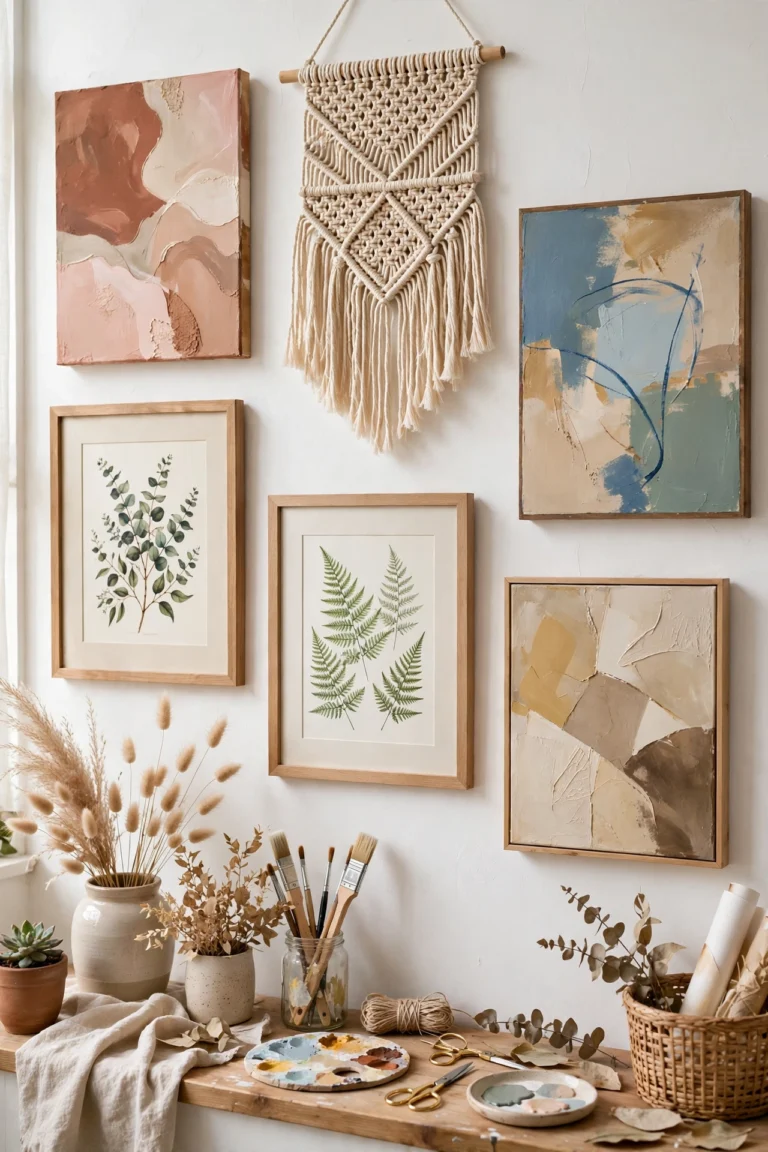
A vision board in a closet is a craft project; a vision board by your desk is a tool. Hang it in your bedroom, office, or hallway — somewhere your eyes land daily. Treat it like part of your decor: frame it nicely or style it as a mini gallery wall feature.
Step 6: Revisit and refresh
Set a calendar reminder every few months to look at your board with fresh eyes. Celebrate what came true, remove what no longer fits, and add new dreams. A living board beats a perfect one.
5 Vision Board Styles to Try
1. The classic collage board
Foam board, magazine cutouts, glue. Messy, joyful, and deeply personal — the original and still the best for most people.
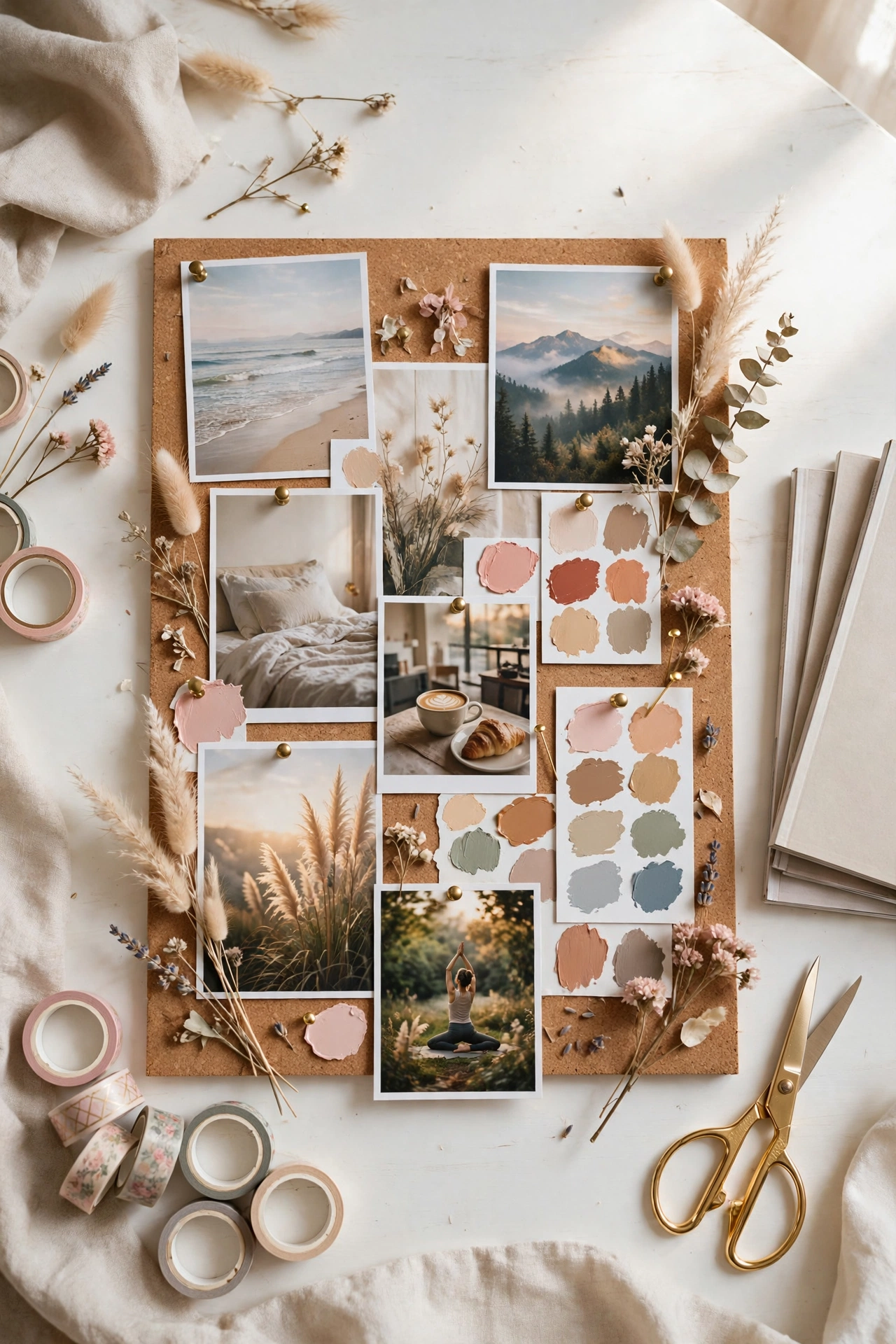
2. The pinned cork board
Use pins instead of glue so you can swap images as goals evolve. Great for commitment-phobes and anyone whose dreams change quarterly.
3. The framed art board
Make your collage on nice paper, frame it, and hang it like DIY wall art. Beautiful enough for the living room, personal enough to matter.
4. The digital board
Collect images in a Pinterest board or Canva design and set it as your phone or desktop wallpaper. Zero supplies, and you see it a hundred times a day.
5. The themed mini board
One small board per goal — a career board for your desk, a wellness board for the fridge. Focused, portable, and less overwhelming than one giant life collage.
Pro Tips for a Board With Staying Power
Choose feeling over literal. A picture of a serene lake can represent “more calm” better than the word calm ever will. Let images do the emotional heavy lifting.
Include the process, not just the prize. Add images of the doing — the morning run, the open notebook, the cooking — not just the finish line. It keeps the board motivating instead of taunting.
Make it beautiful enough to keep. This sounds shallow, but a board you love looking at stays on the wall. Take the extra ten minutes on layout and borders.
Keep one private, share one publicly. Some dreams are tender. It is fine to have a bold board for your office and a quieter one inside a journal.
Frequently Asked Questions
Do vision boards actually work?
They work as well as any visual reminder system: they keep goals top-of-mind, which shapes the small daily choices that compound over time. They do not replace action — pair your board with concrete next steps for each goal.
What should I put on my vision board?
Images and words representing 3–5 life themes you genuinely care about: career, health, home, relationships, creativity, travel, finances. Include how you want to feel, the process of getting there, and a few specific measurable targets.
Where is the best place to put a vision board?
Somewhere you look every day without trying: beside your bed, above your desk, or inside a closet door you open each morning. Visibility is the entire mechanism — hidden boards do not work.
How often should I update my vision board?
Review it every 3–4 months. Remove goals you have outgrown or achieved, add new ones, and refresh any images that have gone stale. Many people make a fresh board each January as a ritual.