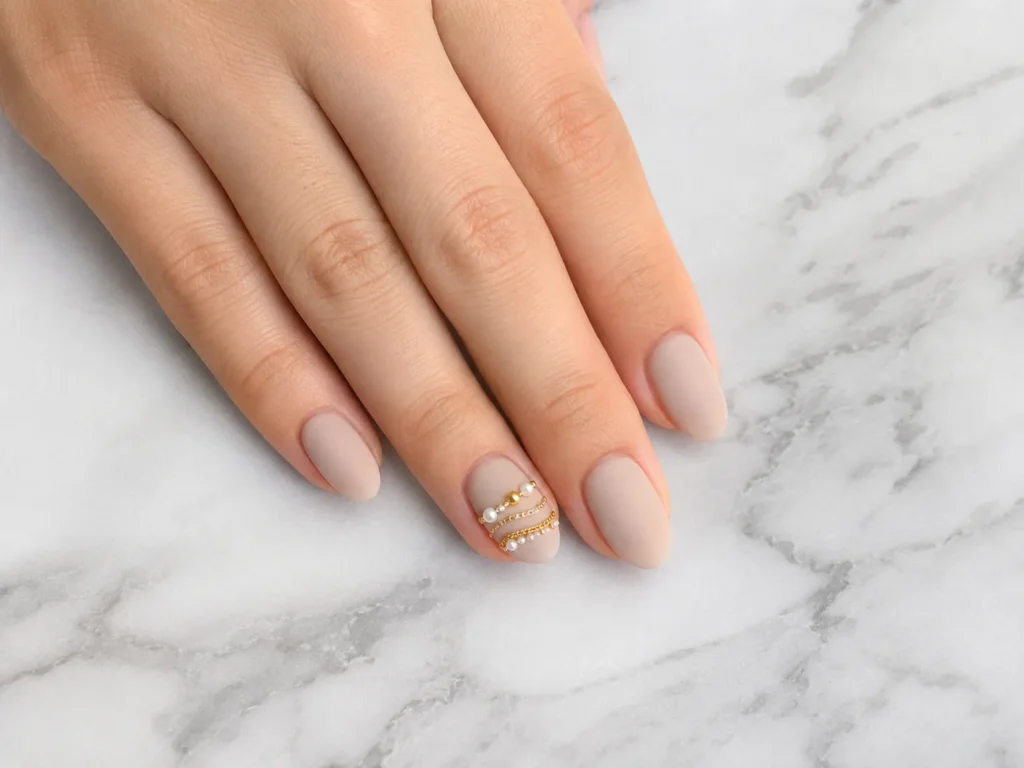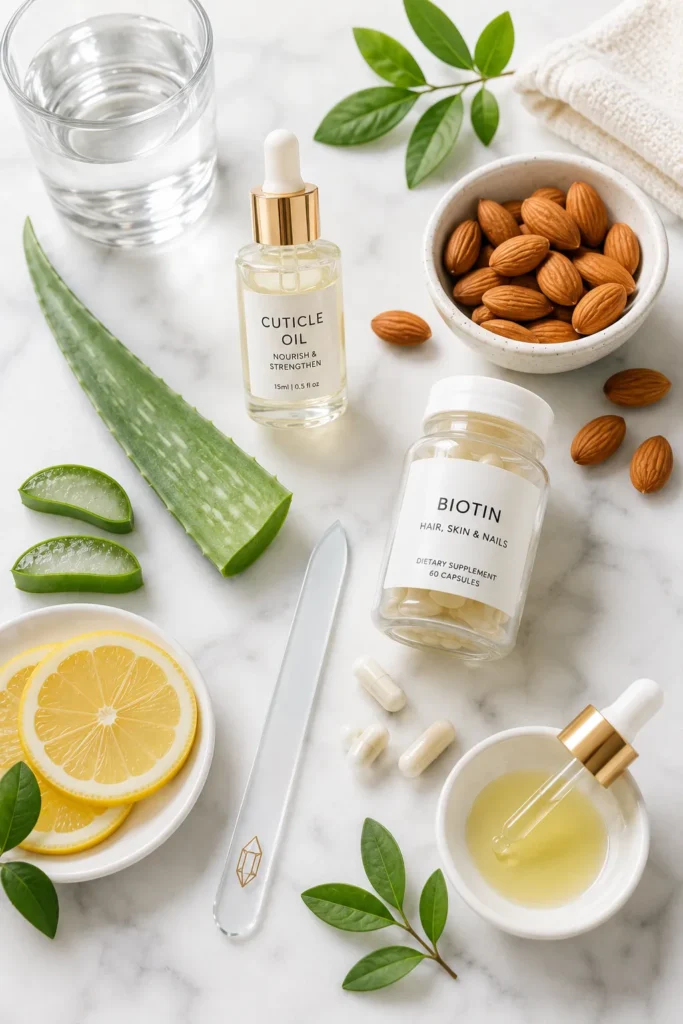
How to Properly Prep Nails for Polish Longevity
The nail prep steps that actually make your polish last — because a gorgeous manicure that chips in two days is basically a crime.
Your polish chips after two days and you have no idea why. You used a good brand, you painted carefully, you even let it dry properly — and yet, there it is. A chip. Right on your index finger. By Tuesday.
Here’s the thing nobody talks about enough: the actual polish is rarely the problem. The problem is what happened — or didn’t happen — before the first drop of color hit your nail. Nail prep is the single biggest factor in how long your manicure lasts, and most people skip half the steps without even realizing it.
I’ve tested this obsessively. Same polish, same topcoat, two hands — one prepped properly, one prepped lazily. The properly prepped hand? Still going strong on day eight. The lazy hand? Chipped by day three. The difference is genuinely dramatic.
Why Nail Prep Is the Step That Actually Makes or Breaks Your Manicure
Your nail plate looks smooth to the naked eye, but it’s actually covered in natural oils, moisture, and tiny ridges. Polish needs a clean, dry, slightly rough surface to grip onto. When you skip prep, you’re basically asking polish to stick to a greasy, slippery surface. And it won’t — at least not for long.
Polish longevity starts at the nail plate, not the bottle. The best base coat in the world can’t compensate for oily, unprepared nails. Nail prep removes everything the polish hates — oils, moisture, and product residue — and creates the ideal bonding surface. That’s the whole game.
What Causes Polish to Chip Early?
Before we get into the how, let’s quickly cover the why. Understanding the enemy helps you fight it better.
- Natural nail oils — your nail plate naturally produces oils that repel polish adhesion
- Residual moisture — any water or humidity on the nail plate weakens the polish bond
- Old product buildup — leftover polish remover, lotion, or cuticle oil sitting on the nail
- Smooth, unbuffed surface — polish grips better on a lightly roughened nail plate
- Cuticle or skin contact — polish touching the cuticle lifts from the base almost immediately
The Full Nail Prep Routine — Step by Step
Ready to stop losing your manicure before the week is out? Here’s the complete nail prep process in the exact order it needs to happen. FYI, skipping steps or rearranging the order will cost you days of wear time.
Step 1 — Remove All Old Polish and Product
Start with a completely clean slate. Use an acetone-based remover — not the “gentle” acetone-free kind — to strip off any remaining polish, gel residue, or nail art. Acetone does a far more thorough job of cutting through buildup.
Soak a cotton pad fully in remover, press it against the nail for five to ten seconds, then wipe in one direction. Don’t scrub back and forth — that just spreads residue around. Work one nail at a time and give each one a final wipe with a clean, dry section of the cotton pad.
Step 2 — Shape Your Nails
Shape your nails before you do anything else to the surface. Filing after buffing defeats the purpose because it reintroduces dust and roughness in the wrong places.
Use a 180-grit nail file and file in one smooth direction rather than sawing back and forth. Choose your shape — square, round, oval, almond, or squoval — and be consistent across all ten nails. Inconsistent shaping is one of those things that’s subtle but looks off in photos.
Run your finger gently along the free edge to check for any rough spots or snags. Smooth these out before moving on.
Step 3 — Push Back and Tidy Your Cuticles
Cuticle care is about more than aesthetics. Any cuticle or dead skin sitting on the nail plate will cause your polish to lift from the base — sometimes within hours. You need a clean, clear canvas right up to the nail fold.
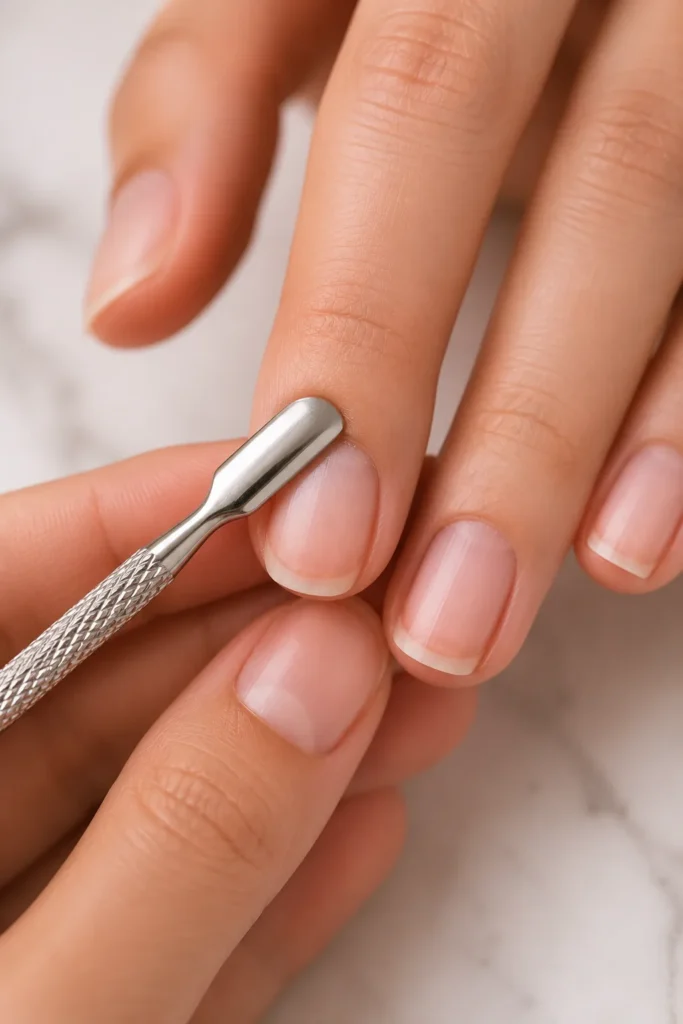
Soften cuticles first by soaking fingertips in warm water for two to three minutes, or use a cuticle softener product applied directly to the base of each nail. Then use a metal or wooden cuticle pusher to gently push the cuticle back and away from the nail plate. Work slowly and don’t force it.
Use cuticle nippers to remove any hangnails or excess dead skin — but only remove what’s already detached. Cutting into live skin causes bleeding, pain, and increases infection risk. Keep it conservative.
Step 4 — Buff the Nail Surface
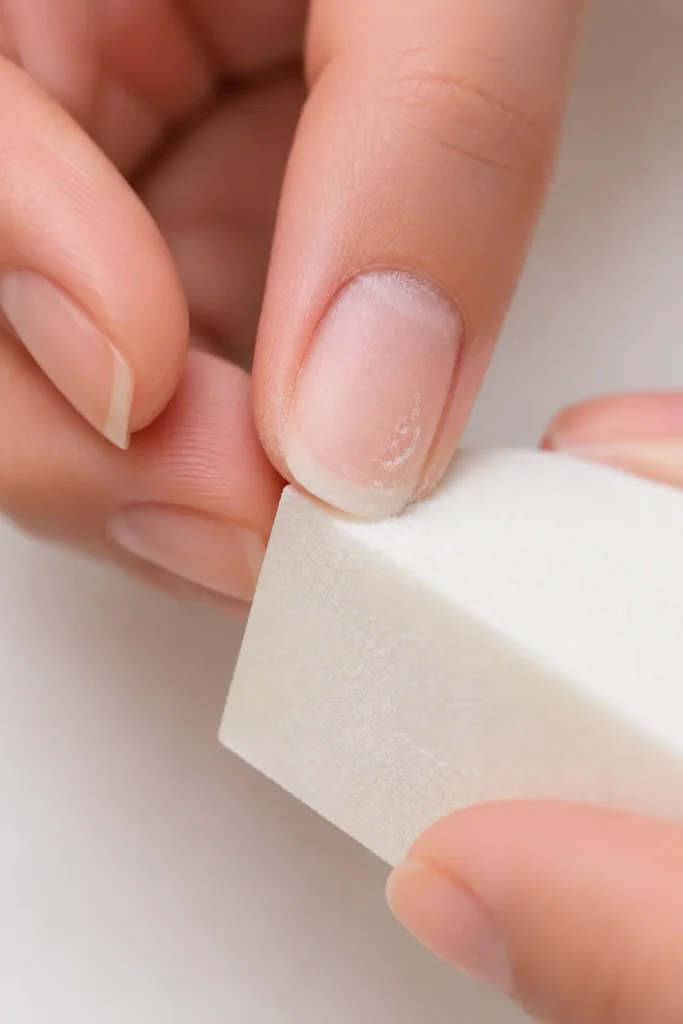
This step confuses people. You’re not trying to file the nail down or change its shape — you’re creating micro-texture on the nail plate that gives polish something to grip onto. Think of it like scuffing a surface before painting.
Use a 220-grit buffer block and lightly buff the surface of each nail using small circular motions. You only need to dull the natural shine — you’ll know you’re done when the nail looks matte rather than shiny. Over-buffing can thin the nail plate over time, so keep it light and quick.
Brush away any nail dust with a clean, dry brush before moving to the next step. Never blow on your nails — the moisture from your breath undoes the drying work you’re about to do.
The Step Most People Have Never Heard Of — Dehydrator and Primer
If you skip the buffing step and only read one other section in this article, make it this one. Nail dehydrator and nail primer are the two products that completely transformed how long my own polish lasted — and they’re still wildly underused outside of professional salons.
Most people go straight from buffing to base coat, completely missing these two steps. It’s the equivalent of priming a wall before painting and wondering why skipping the primer made the paint peel. Same logic, same result.
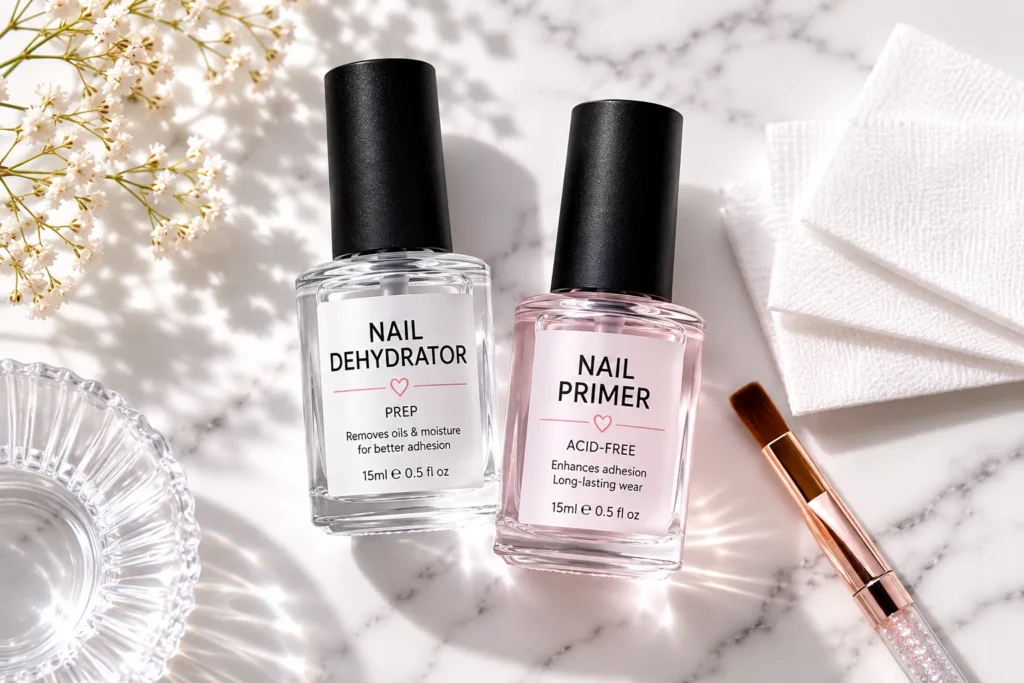
Nail Dehydrator — Remove Every Last Trace of Oil
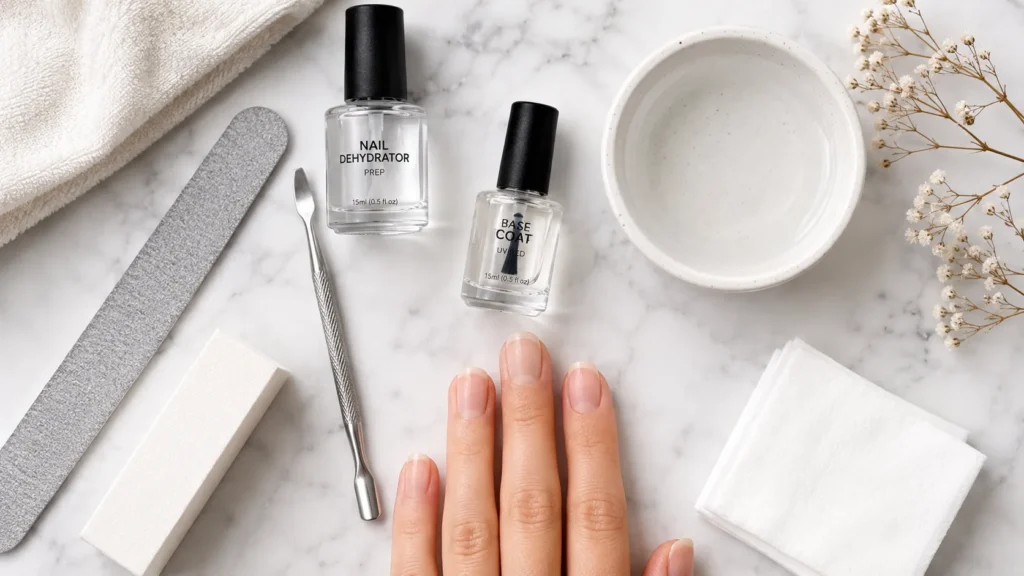
Nail dehydrator is a fast-drying liquid that removes residual oils and moisture from the nail plate at a molecular level — way more effectively than just wiping with a cotton pad. Apply a thin swipe to each nail using the brush applicator and let it evaporate completely. It dries in about 30 seconds and leaves the nail plate bone-dry and ready to bond.
Some popular dehydrators double as primers, but separate products tend to work better. Look for formulas that contain isopropyl alcohol and acetone — these are the active agents doing the degreasing work.
Nail Primer — Create the Stickiest Possible Surface
Nail primer goes on immediately after the dehydrator and creates a chemical bond between your natural nail and the base coat. It’s especially helpful for people with naturally oily nails or anyone who struggles with polish lifting at the cuticle.
Apply one thin layer to each nail and let it dry fully before applying base coat. It typically looks slightly matte or chalky when dry — that’s exactly what you want. The primer gives your base coat something to lock into, which trickles down into every layer above it.
Clean the Nail Plate Before You Even Touch the Base Coat
After buffing, you have nail dust sitting on the surface. After touching your nails at all — even accidentally — you have oil from your fingertips. Both of these ruin adhesion, so you need to clean the nail plate one final time before applying any product.
Use a lint-free nail wipe — not a regular cotton pad, which leaves fibers — soaked in 91% or higher isopropyl alcohol. Wipe each nail firmly in one direction. Don’t go back and forth. Let the alcohol evaporate completely and then stop touching your nails. From this point on, avoid touching the nail surface with bare fingers until the base coat is on.
Why Isopropyl Alcohol Beats Regular Polish Remover Here
Regular acetone remover is great for stripping polish, but it can leave a slight residue and doesn’t evaporate as cleanly as high-percentage isopropyl alcohol. For the final cleanse before base coat, 91%+ isopropyl alcohol is the cleaner choice. It evaporates quickly, leaves zero residue, and does a thorough job of removing any remaining oils.
Regular rubbing alcohol that’s 70% won’t cut it — the extra water content defeats the purpose. Spend a couple of dollars on a bottle of the 91% or 99% version and you’ll notice the difference in your wear time.
Choosing and Applying Your Base Coat — Don’t Phone This In
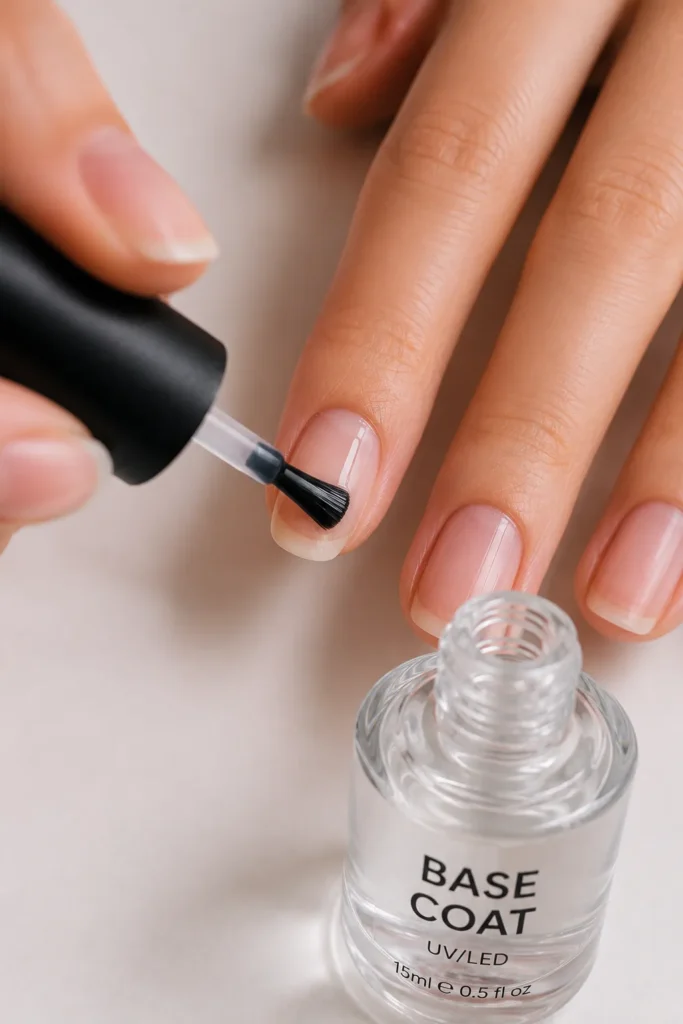
Your base coat is the bridge between your prepped nail plate and your color. A good base coat fills in ridges, improves adhesion, and protects the nail from staining. A cheap or wrong base coat wastes all the prep work you just did.
Which Base Coat Should You Use?
The right base coat depends on your nail type and your goals:
- Ridge-filling base coat — best for nails with visible ridges or uneven surfaces; smooths out imperfections before color
- Sticky base coat — formulated with extra grip for people with oily nails or chronic chipping problems
- Nail-strengthening base coat — contains keratin or calcium to protect thin or weak nails while also improving color adhesion
- Peel-off base coat — great for nail art you want to change frequently, but not ideal for longevity
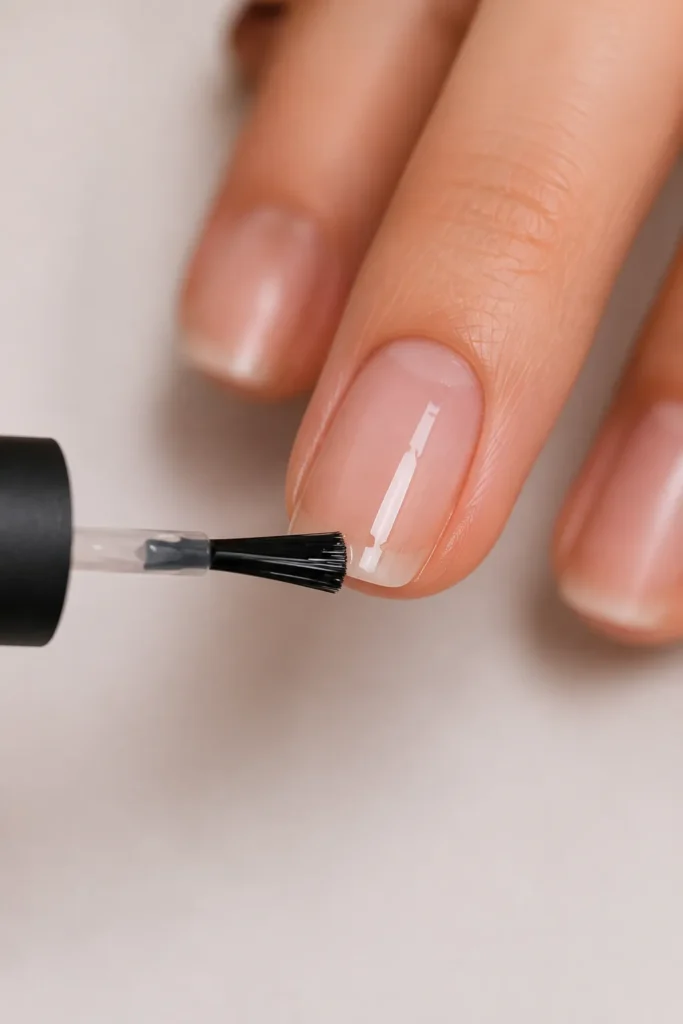
Apply one thin, even coat to each nail. Cap the free edge by running the brush along the tip of the nail — this seals the edge and is one of the most effective things you can do to prevent tip chipping. Let it dry fully before applying color. Rushing this step causes bubbling and peeling later.
The Free Edge Rule — Follow It Every Single Time
Capping the free edge means you run the brush tip along the very end of your nail with each coat — base coat, color, and topcoat. This seals all three layers together at the tip, which is where chipping almost always starts. Miss this step on even one coat and you’ve created an entry point for chips.
It takes literally two extra seconds per nail. IMO, it’s the highest-return habit you can build for polish longevity.
Your Complete Nail Prep Checklist — Bookmark This
Here’s the full routine in order, ready to follow every time you do your nails:
- Remove all old polish with acetone-based remover, wiping in one direction
- Shape nails with a 180-grit file, filing in one direction only
- Push back cuticles after softening with warm water or cuticle softener
- Lightly buff the surface with a 220-grit buffer until the shine is gone
- Brush away all nail dust — never blow on nails (moisture = enemy)
- Wipe nails with isopropyl alcohol (91%+) using lint-free wipes, one direction per nail
- Apply nail dehydrator and let it evaporate fully (about 30 seconds)
- Apply nail primer and let it dry to a matte finish before moving on
- Apply thin base coat and cap the free edge
- Let base coat dry completely before starting color
Follow this checklist every single time and you’ll never wonder why your polish chipped again. The answer won’t be the checklist — it’ll be whatever you skipped 🙂
Nail Prep Mistakes That Quietly Ruin Your Manicure
Even people who do most of the steps right tend to make a few consistent mistakes. Here are the ones that silently kill polish longevity:
Applying Polish Immediately After a Shower or Washing Hands
Water softens and slightly expands the nail plate. Polish applied over a hydrated nail adheres poorly and lifts as the nail contracts back to its normal size while drying. Wait at least 30 minutes after any water exposure before doing your nails. Better yet, do your manicure before showering, not after.
Using Lotion or Cuticle Oil Before Polish
Both of these are great for nail health — but not right before polish. Lotion and cuticle oil coat the nail surface in product that repels adhesion. Always apply cuticle oil and hand lotion after your manicure is fully dry, not as part of the prep process.
Rushing the Drying Time Between Steps
Each product layer — dehydrator, primer, base coat, color, topcoat — needs to dry or cure before the next layer goes on. Applying a second coat over a wet first coat traps solvent underneath, which causes bubbling, peeling, and dramatically shortened wear time. Patience between layers is one of the most underrated parts of a lasting manicure.
Over-Buffing the Nail Plate
Lightly buffing creates grip. Aggressively buffing thins and weakens the nail, making it more flexible, which causes polish to crack rather than chip. You only need to remove the shine — if the nail looks matte, you’ve done enough. One light pass is all it takes.
The Bottom Line — Prep Wins Every Time
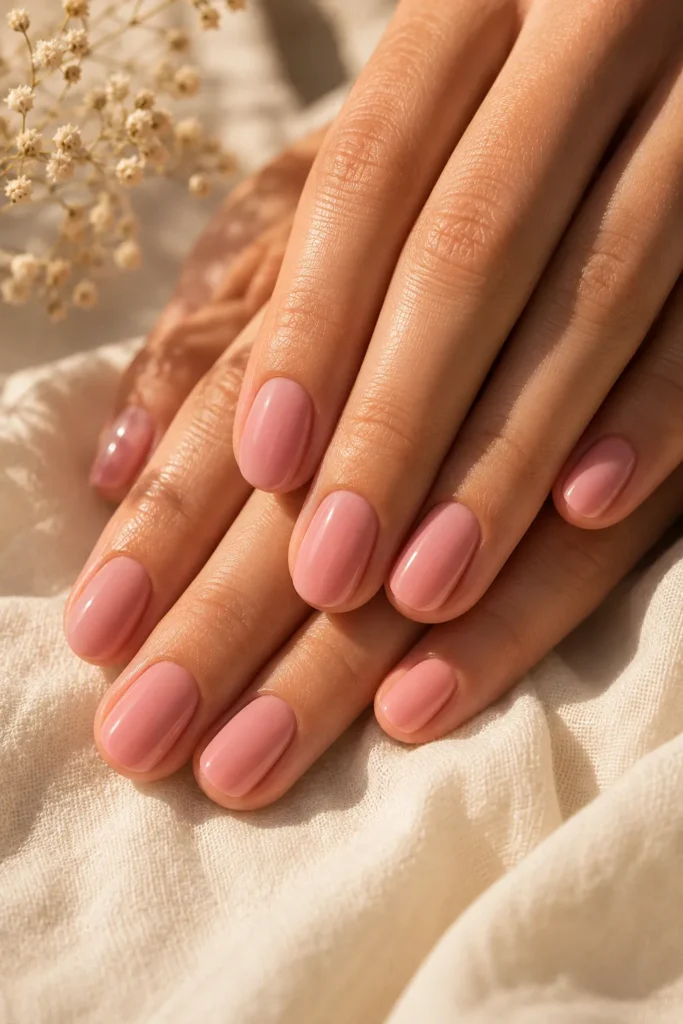
Every single step in this routine exists for a reason. Remove the oils. Create texture. Dehydrate. Prime. Seal the edges. These aren’t optional extras — they’re the foundation that everything else sits on.
The polish you choose, the topcoat you use, the drying time you give it — all of that matters. But none of it matters as much as what you did to your nail plate before you opened the first bottle. Nail prep is where longevity is built.
So next time your manicure chips on day two, don’t blame the polish. Go back to the checklist. My guess is you’ll find the step you skipped. Fix that, and your nails will thank you all week long.

Sarah Williams
Hi, I’m Sarah Williams — the founder of HerStyleNest, where beauty meets modern style. I share trendy hairstyles, chic nail designs, and fashion inspiration for women who love staying stylish every season. From everyday elegance to viral beauty trends, HerStyleNest is your go-to destination for effortless fashion and beauty ideas.