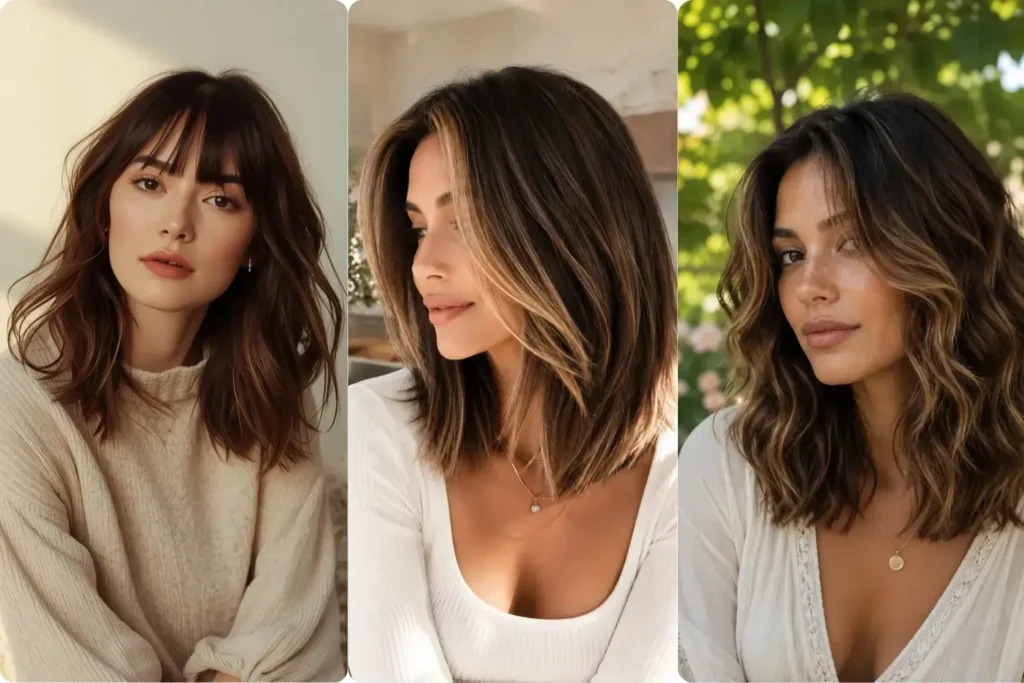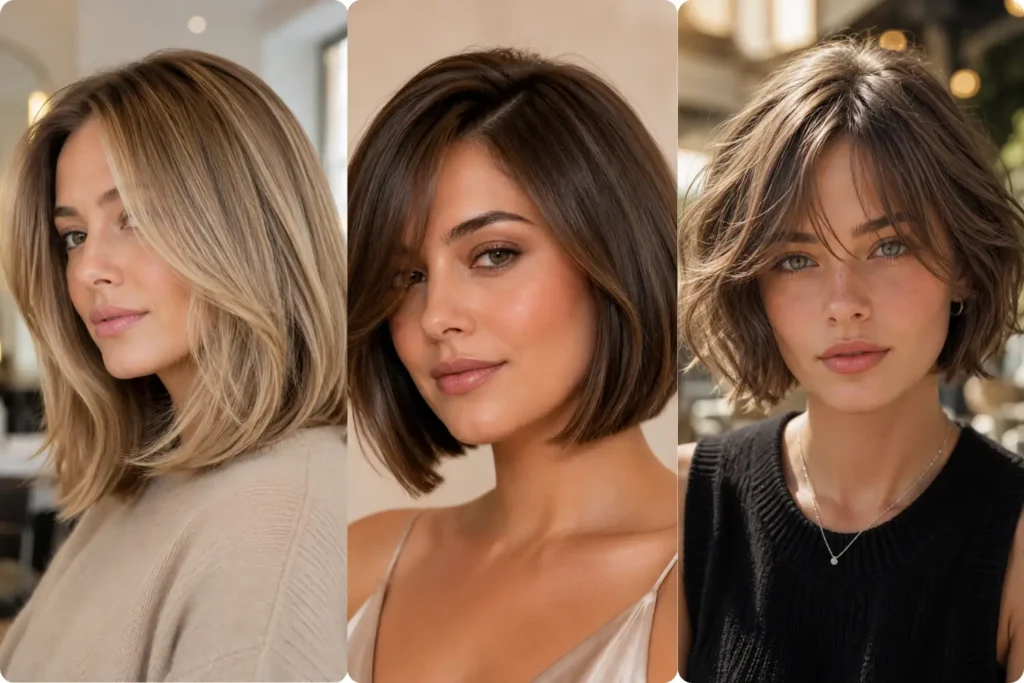
16 French Bob Hairstyles That Work for Every Hair Type and Face Shape
The French bob has been circulating on Pinterest boards and salon consultation screens for a few years now, but this year it feels different. More women are actually booking it. Appointment books at mid-to-upscale salons are filling up with clients who come in holding their phones, a saved pin on the screen, and a very specific question: can this work on my hair?
Most of the time, the answer is yes. But the specific version matters more than most people realise.
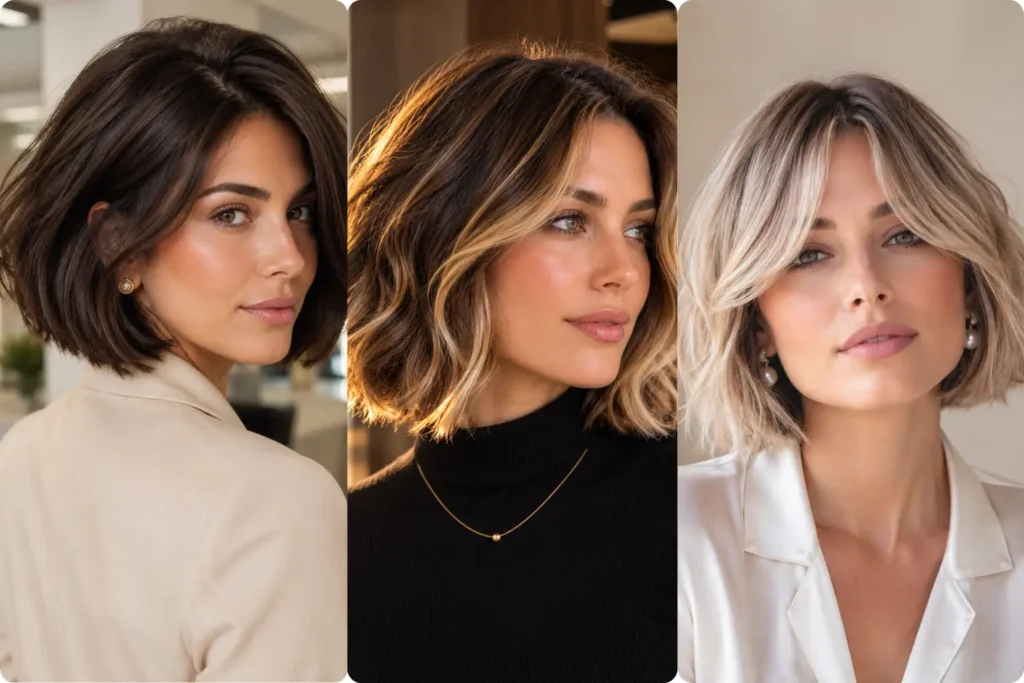
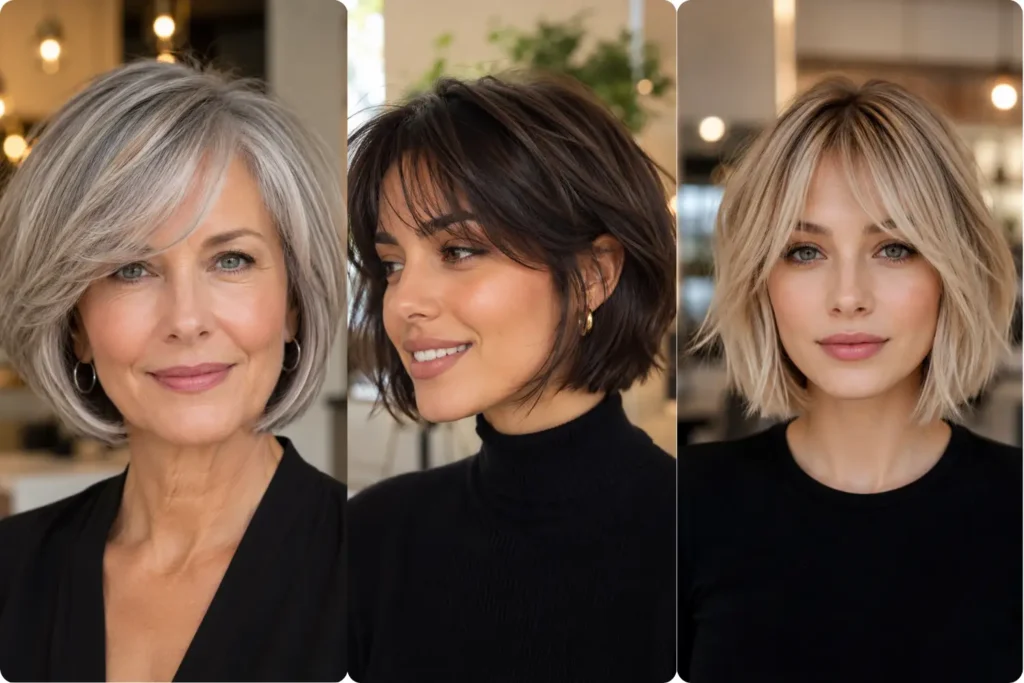
What sets the French bob apart from a standard bob is the cut’s attitude. It sits at or around the chin, it tends to have clean, deliberate lines, and it often includes some form of fringe, though not always. The Parisian approach to wearing it is slightly undone, not overly styled, and paired with an effortless confidence that makes a simple haircut look intentional.
The reason I have organized this article by hair type, face shape, and lifestyle need rather than just listing sixteen variations is that the cut genuinely behaves differently on different hair. A French bob on fine hair needs a different technique than a French bob on thick hair. A French bob on a round face needs different framing than one on a long face. Those details are what actually help you make a decision.
If you have been saving French bob photos and wondering whether it is for you, this article covers all of it.
1. Classic Blunt French Bob
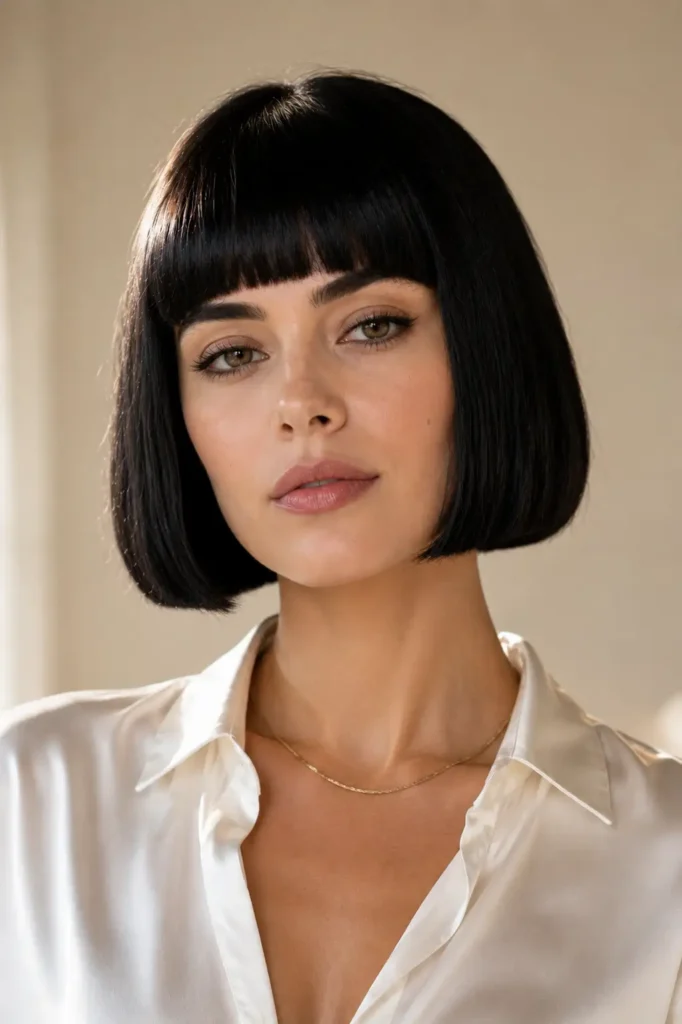
The most edited version of this cut: no bangs, chin length, and one clean horizontal line across the bottom. The blunt edge creates instant weight at the ends, making fine hair look fuller and giving thick hair clean structure. It suits oval and long face shapes best. Style it smooth with a round-brush blowout for a polished, editorial finish, or let it air dry for something softer. Maintenance runs every six to eight weeks. Difficulty is genuinely low once the cut is right. This works for professional settings, casual days, and year-round wear, and it is a strong starting point for anyone trying the French bob for the first time.
2. French Bob with Curtain Bangs
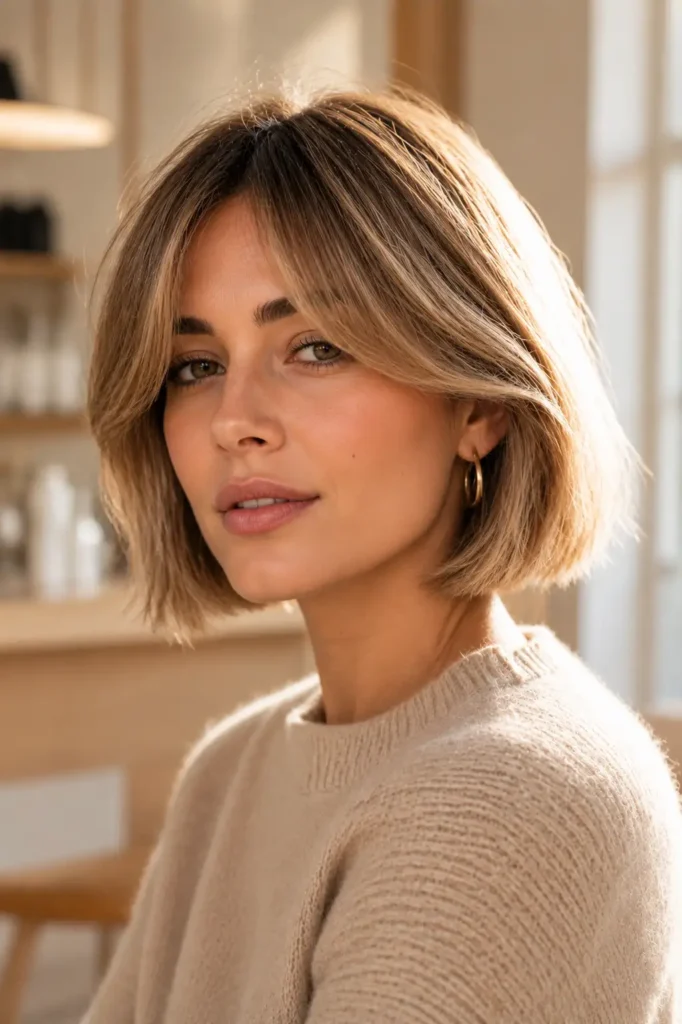
Curtain bangs part down the center and sweep outward, softening the forehead without the commitment of a straight fringe. This combination is one of the most-saved hairstyle pairings on Pinterest, and for good reason: it flatters almost every face shape and grows out gracefully. Round and square faces benefit most because the centre part creates vertical movement that adds apparent length to the face. Fine hair handles curtain bangs beautifully because the pieces stay airy and light rather than flat. Five minutes with a round brush and a blow dryer handles the styling on most mornings.
3. French Bob with Blunt Fringe
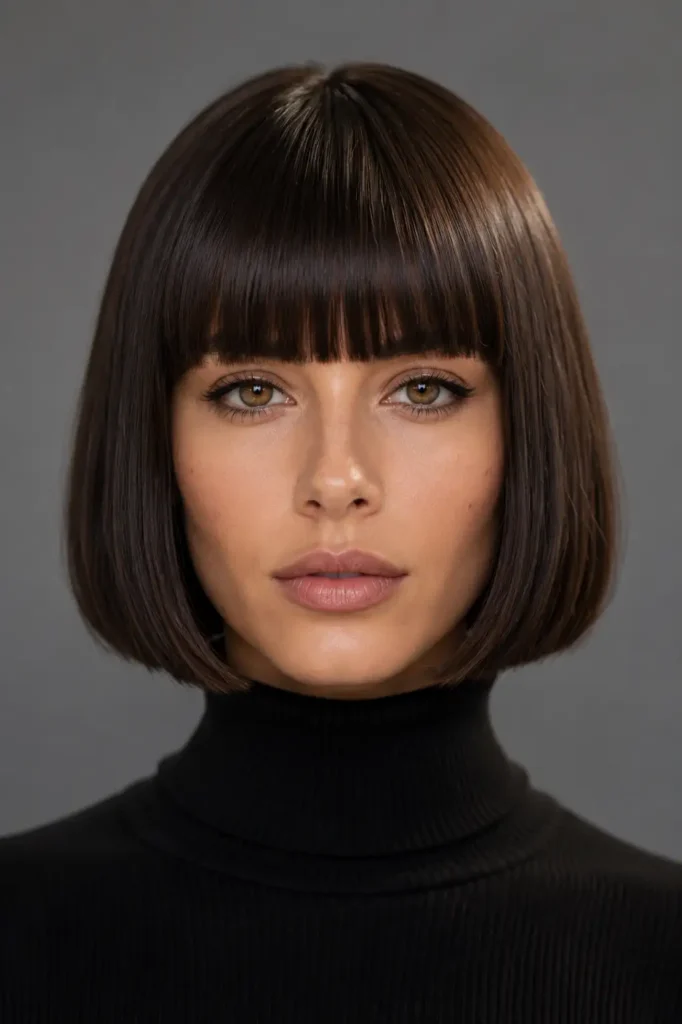
A straight-across bang paired with a chin-length bob creates a bold, graphic look that reads as intentional and confident. Think Zooey Deschanel or Louise Brooks as a reference point. Oval faces wear this most comfortably, but long faces also benefit because the fringe shortens the forehead visually and adds horizontal width. Straight and wavy hair types hold this fringe line with the least effort. Curly hair can work with it, but diffusing is necessary to keep the bang from separating unevenly. This version requires daily attention. A quick blow-dry each morning keeps the fringe from going in unplanned directions.
4. Long French Bob
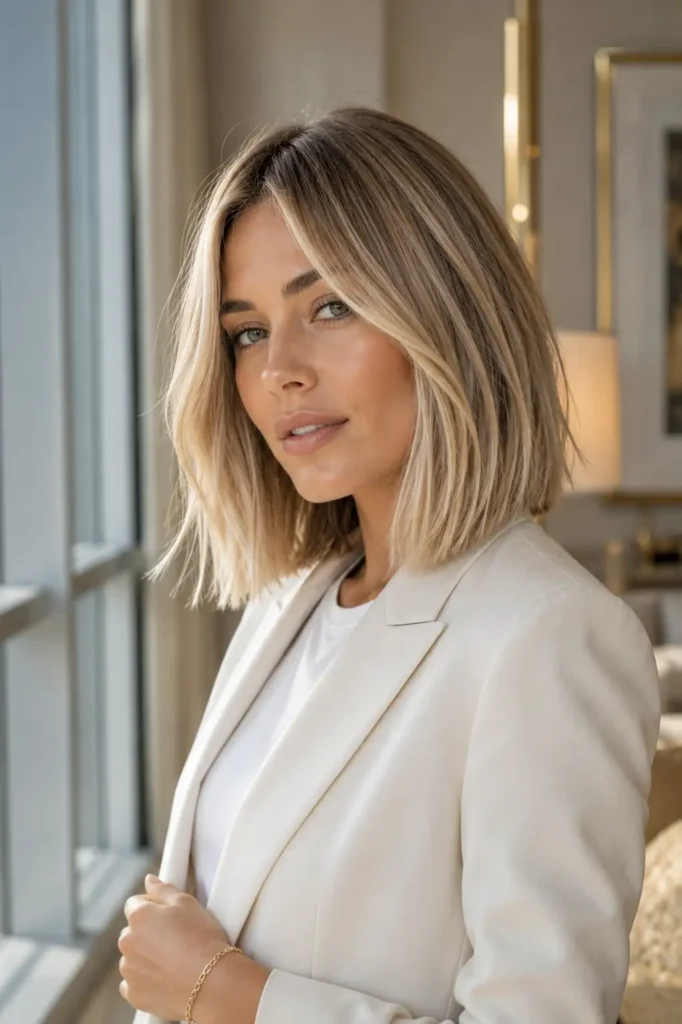
The long French bob sits at or just past the collarbone, making it the most approachable version for women who want the aesthetic without committing to chin length. It works well as a transition cut. You get the look, you see how you feel about shorter hair, and you can decide whether to go shorter at the next appointment. All face shapes suit this length. Thick and wavy hair looks especially good here because natural texture adds movement. Air drying with a light texturising spray handles most days without any additional styling effort.
5. Short French Bob at the Jaw
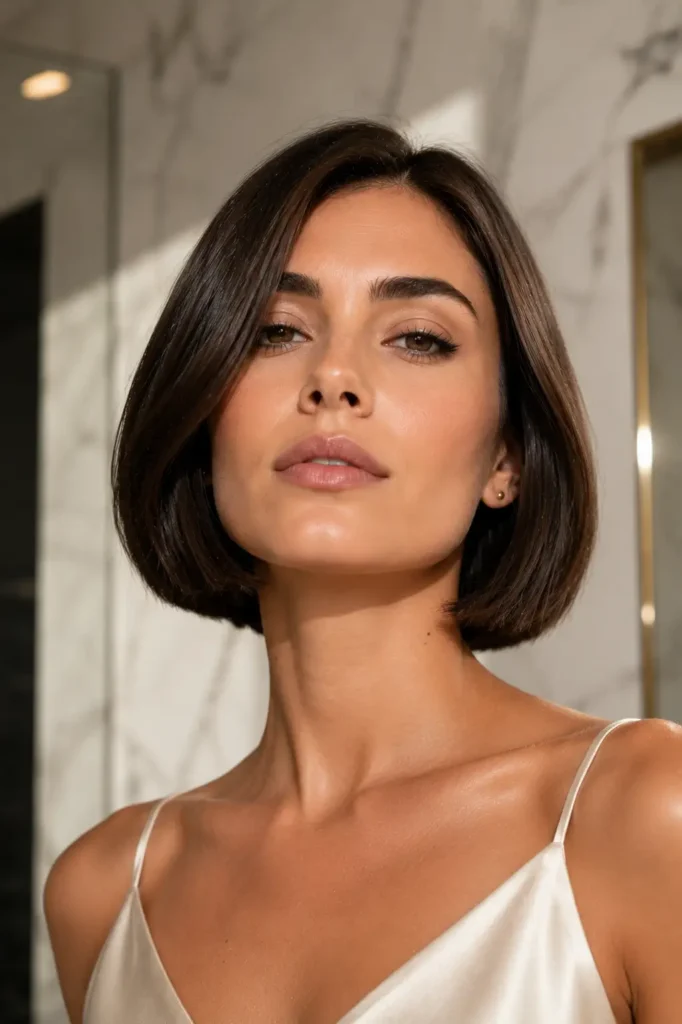
Sitting at or just above the jawline, this is the most dramatic version of the cut. It is not for the hesitant. Women who wear this version usually have a clear sense of personal style and are comfortable with the commitment. Oval and long face shapes carry it best without modification. Square and round faces should pair this length with curtain bangs or face-framing layers rather than a blunt edge, which at this length can emphasise jaw width. Straight and slightly wavy hair types look cleanest here. Precision matters a great deal, so finding a stylist who executes this cut well is worth taking time to research.
6. French Bob for Fine Hair
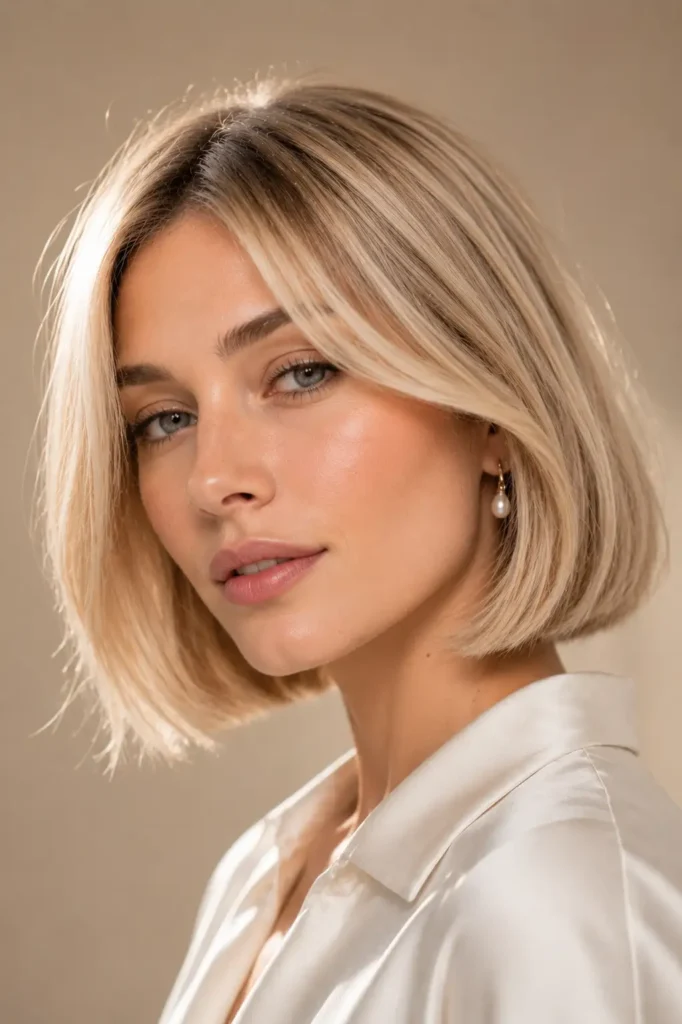
Fine hair can look better in a French bob than in longer styles, and many women discover this only after cutting it. The reason is the blunt or lightly layered ends. When fine hair is long, gravity stretches it flat. At a shorter length with a deliberate cut, the ends catch light and create the impression of density. Stylists often recommend a slight inward bend at the ends of fine hair to prevent the tips from flaring outward. A volumising mousse applied to damp roots before a round brush blowout maintains fullness throughout the day. Ouai Volumising Foam works well at this length for fine hair.
7. Layered French Bob
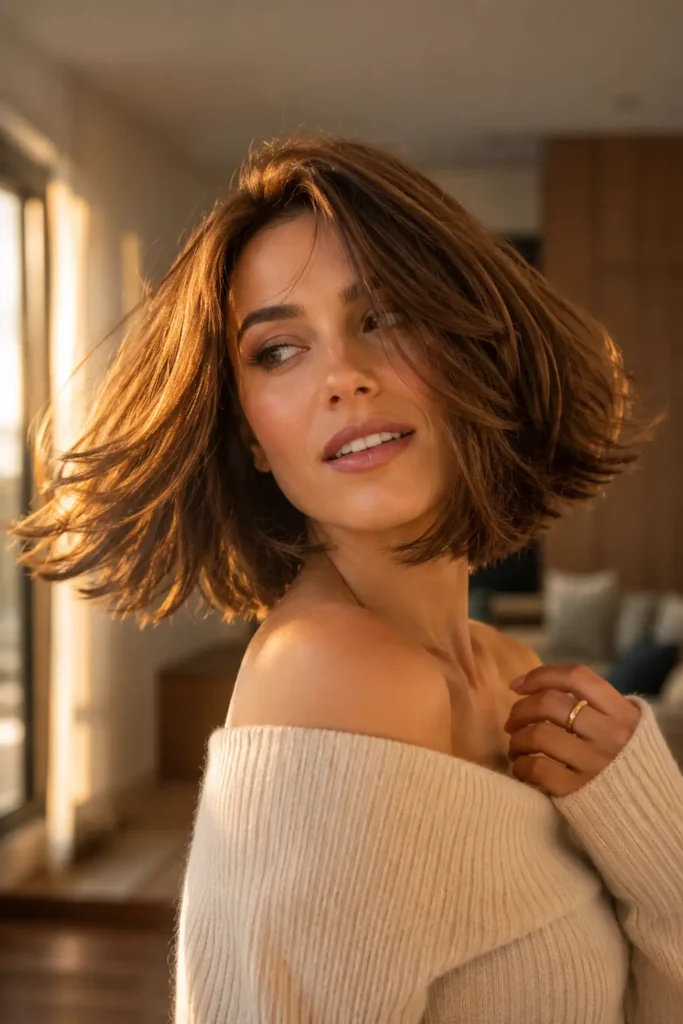
Layers change the character of this cut significantly. Instead of a clean, structured edge, a layered French bob has movement and a slightly undone quality that many women prefer to the blunt version. This works especially well for thick hair because the layers remove weight without changing the overall shape of the cut. Women with natural wave or curl also benefit because layers help define texture rather than letting the ends sit heavy. Style it smooth for a polished finish or scrunch in a curl cream and air dry for something relaxed. The layered version grows out more gracefully than a blunt cut, giving you more time between trims.
8. French Bob for Round Faces
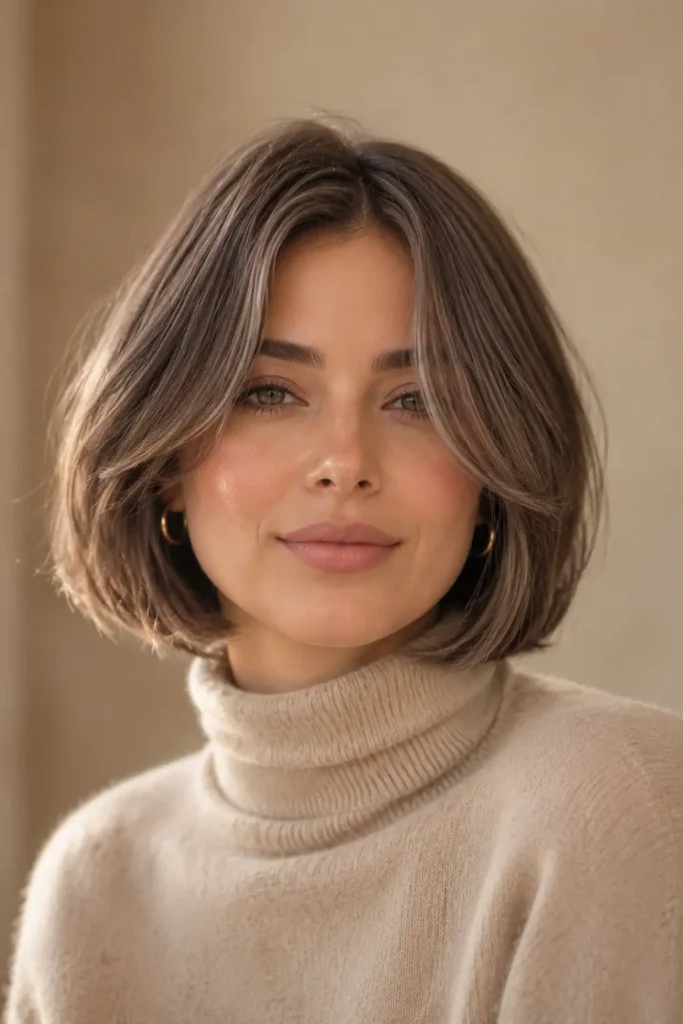
The question of whether a French bob works on a round face comes up constantly, and the answer depends on which version you choose. A blunt bob cut straight across at the jaw and without bangs can widen the face rather than flatter it. The smarter approach: a French bob with curtain bangs, face-framing layers that are slightly longer at the front than the back, and a part that sits slightly off-center. These adjustments create vertical movement and the impression of length without requiring a completely different cut. The goal is finding the variation that works with your face, not one that works against it.
9. Wavy Textured French Bob
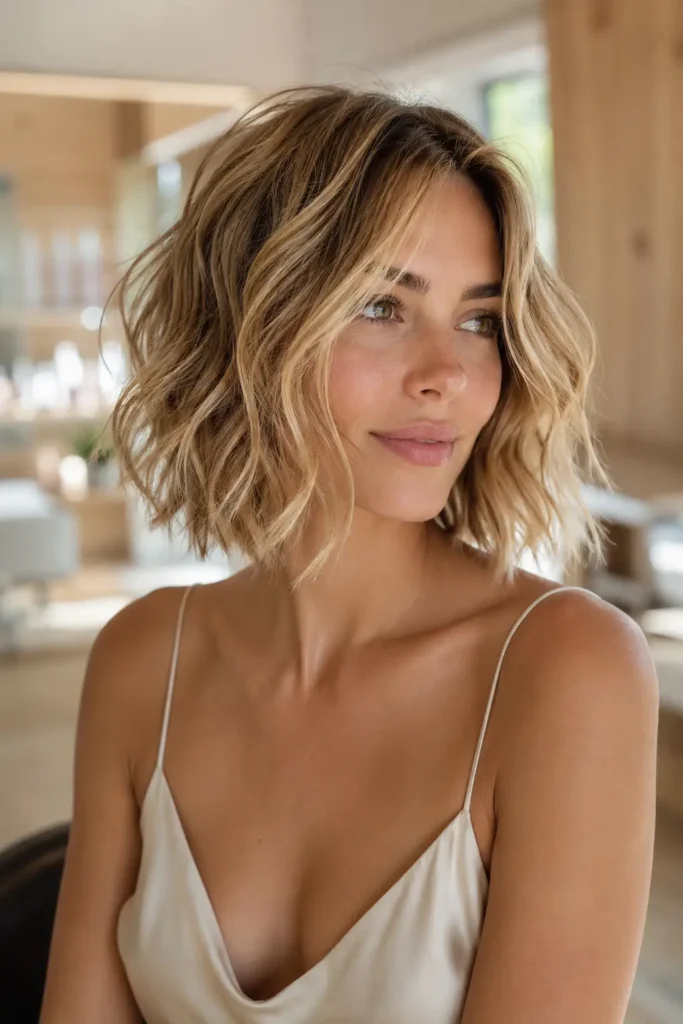
Wavy hair and the French bob are a natural pairing. The slight bend in naturally wavy hair gives the cut dimension and movement without any product or styling tools. Washing and air drying is all this version needs on most days. Oval, long, and heart-shaped faces look especially good here. For more definition, scrunch a lightweight wave cream into damp hair before air drying. Not Your Mother’s Curl Talk Cream or a similar lightweight formula enhances wave without the crunch. A diffuser on low heat speeds up drying time if you are short on it in the morning.
10. Curly French Bob
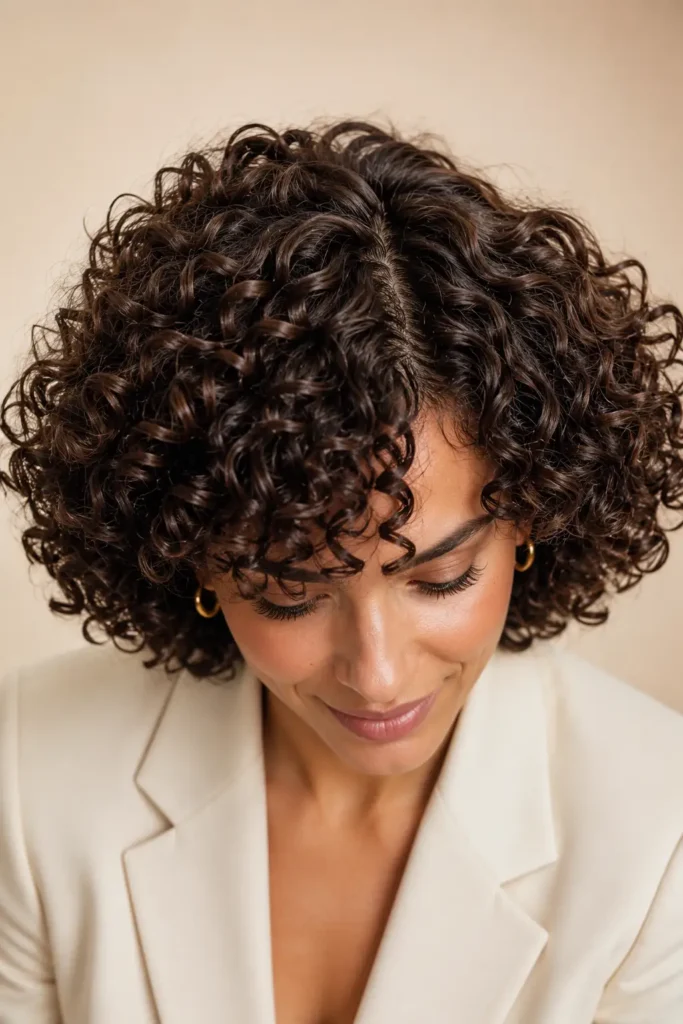
Curly hair bobs are more technical than they appear because shrinkage changes the cut length in ways that salon photos do not show. A French bob that looks chin-length on dry curls might require several additional inches of length when the hair is stretched. A stylist who understands curly hair will cut it dry, or at least shape it dry after a wet base cut, for the most accurate result. The curly French bob suits oval, long, and heart-shaped faces. Moisture is the priority for styling. DevaCurl SuperCream and SheaMoisture Curl Enhancing Smoothie both define curls well without weighing them down.
11. French Bob with Face-Framing Highlights
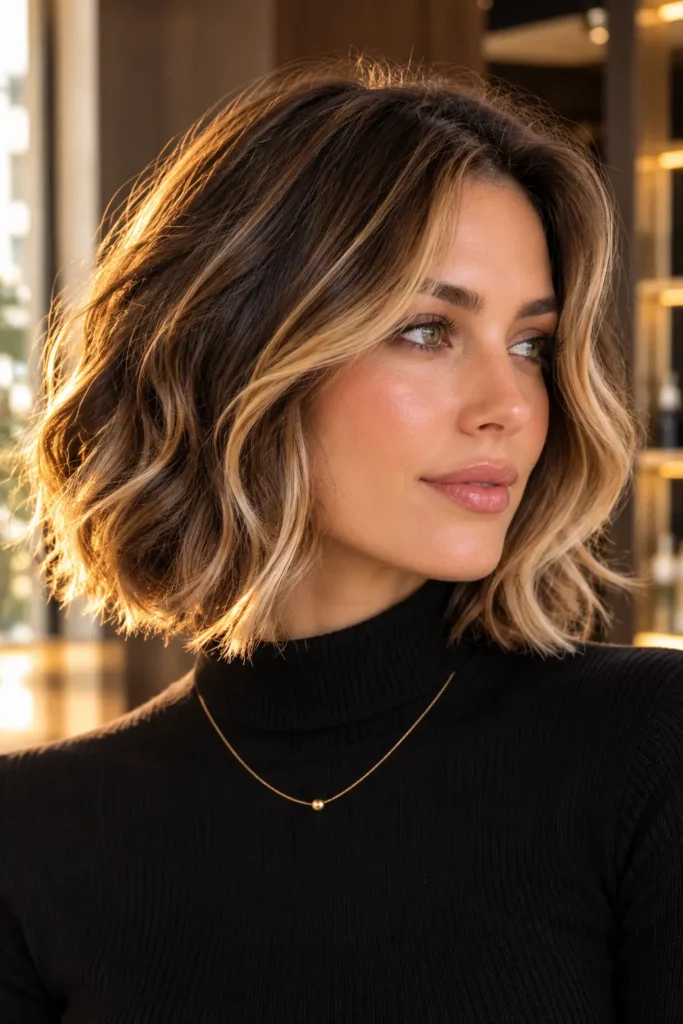
Adding face-framing highlights or money pieces to a French bob transforms the look without touching the shape. This combination draws attention to the cheekbones and eyes and adds dimension that makes the cut look more deliberate and well-considered. It works on all hair types, though straight hair shows color contrast most clearly. Brunettes often go with warm caramel pieces around the face for a soft, sun-kissed effect. Blondes sometimes opt for platinum pieces at the face for sharper contrast. Maintenance includes a gloss or toner appointment every six to eight weeks to keep the color clean and prevent brassiness.
12. French Bob for Thick Hair
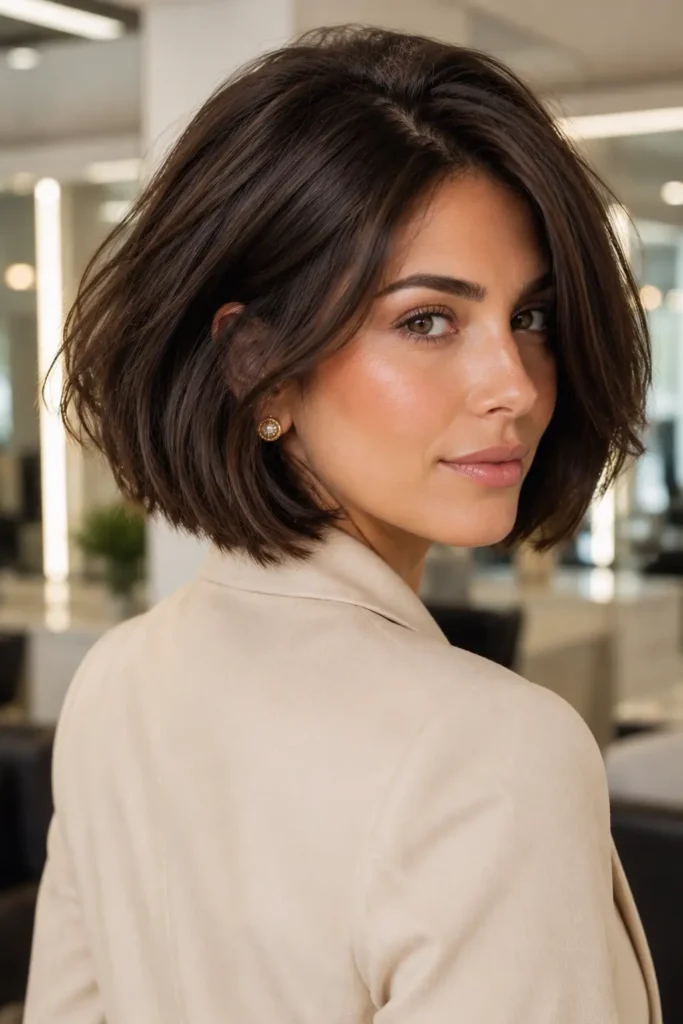
Thick hair in a blunt French bob can sit flat and heavy at the bottom rather than swinging the way a bob should. The solution is either internal layers or point cutting at the ends. Point cutting means the stylist angles the scissors into the tips of the hair rather than cutting straight across, which removes bulk from the ends while keeping the visual line of a blunt cut intact. This technique works at any length. Styling is easier than most women with thick hair expect. A smoothing cream worked into damp hair before air drying reduces puffiness and helps the shape fall naturally.
13. French Bob for Square Face Shapes
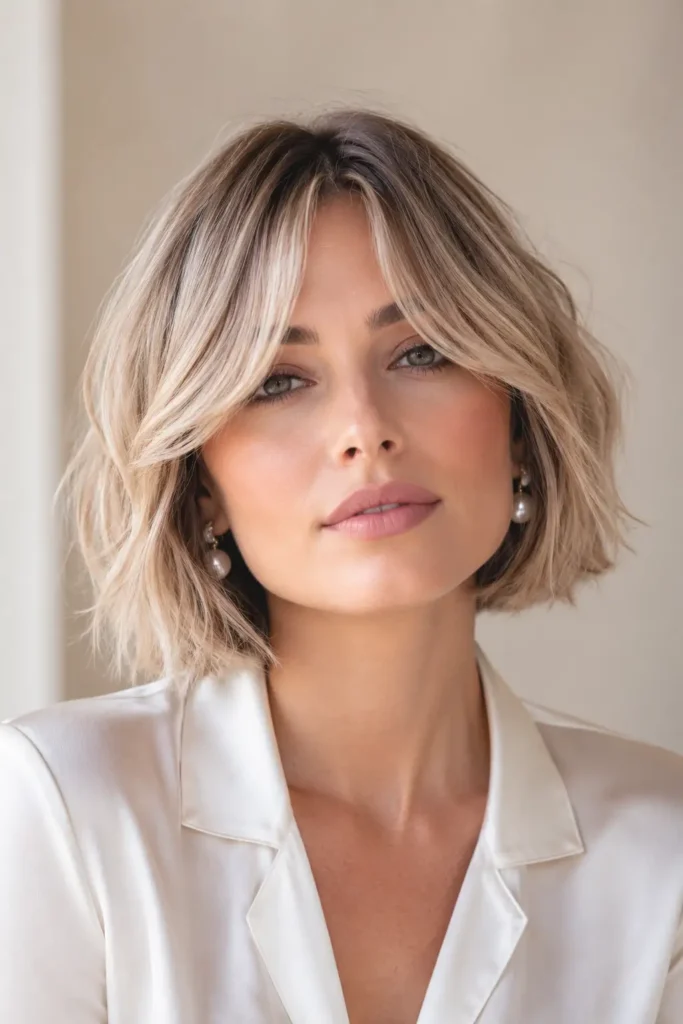
Square face shapes benefit from softening elements in the French bob, and the most accessible option is curtain bangs. The parted fringe breaks the forehead line and directs the eye toward the center of the face rather than outward toward the jaw. Wispy, slightly textured ends rather than a perfectly blunt line also help by reducing the sharpness of the overall silhouette. Length that grazes the jaw rather than sitting exactly at it creates more flattering framing. Women with square faces who choose a blunt bob without bangs often find the cut emphasizes the jaw rather than balancing it.
14. French Bob with Side-Swept Fringe
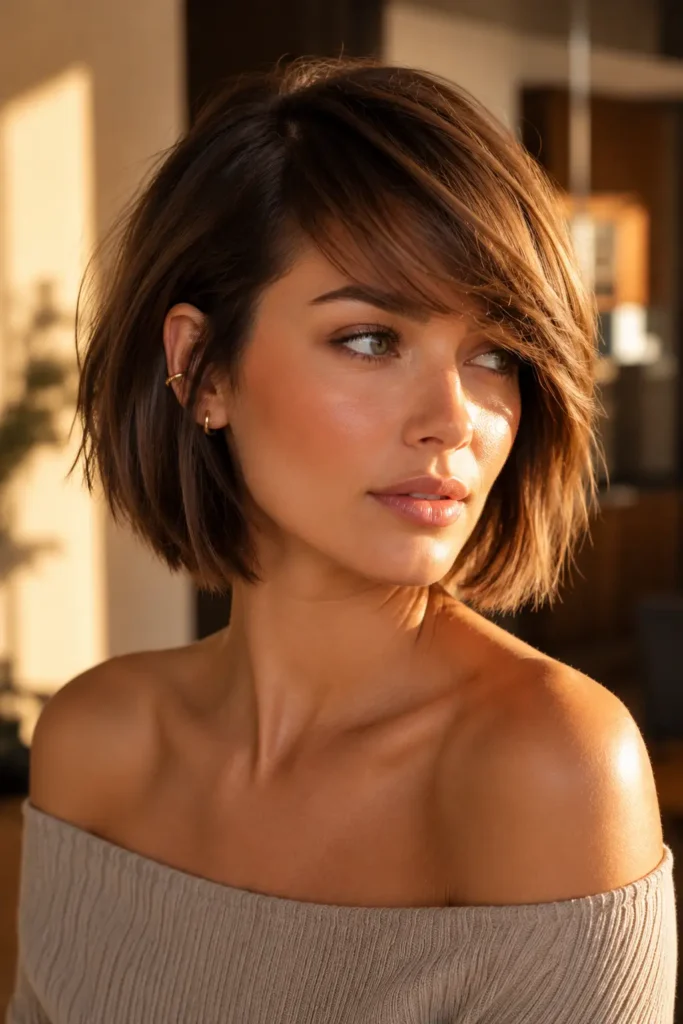
Side-swept fringe sits between curtain bangs and a full straight-across bang. It sweeps to one side and sits just at or above the eyebrow, creating asymmetry that adds interest without visual heaviness at the forehead. Oval and long face shapes wear this particularly well. Fine and straight hair types hold this fringe shape with minimal effort. Wavy hair usually needs a quick pass with a small flat iron in the morning to keep the swept direction in place. This version reads polished and slightly editorial without requiring the daily maintenance that a full blunt fringe demands.
15. Shaggy French Bob
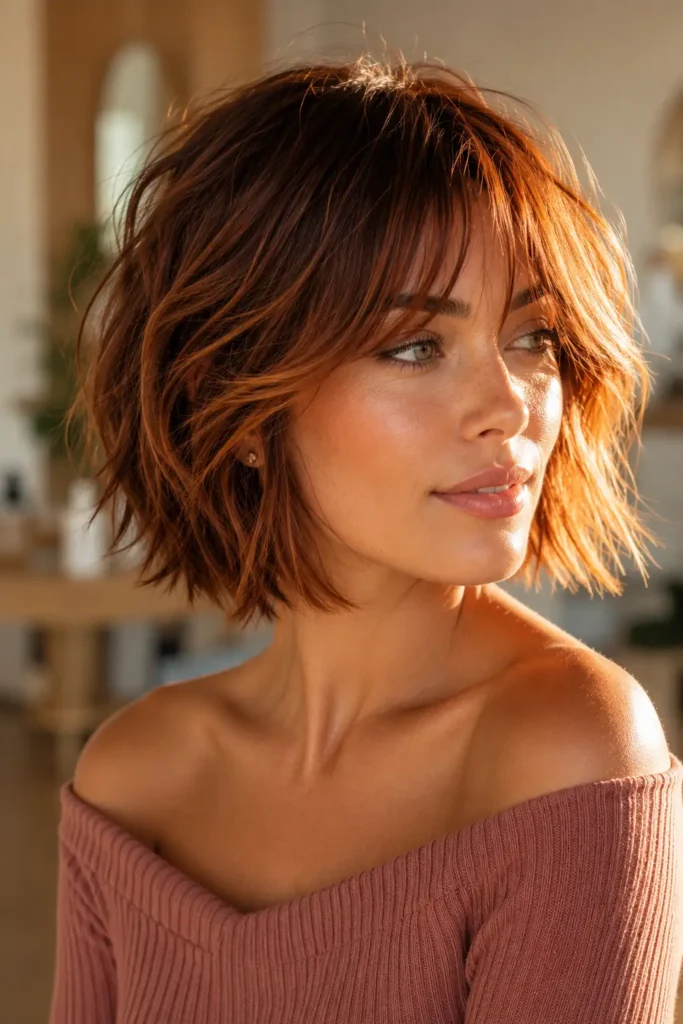
The shaggy French bob is the textured, relaxed version of the cut. It has visible layers, soft face-framing pieces, and sometimes a wispy fringe that is not perfectly uniform. Wavy and curly hair types suit this naturally because the texture supports the style without added effort. Oval and round faces both wear it well. One thing I notice about this variation is that it grows out gracefully, meaning you get more time between trims before it starts to look neglected. Style it with a texturizing spray and scrunch. Do not brush through after drying. Brushing undoes the texture that makes this cut work.
16. French Bob Without Bangs
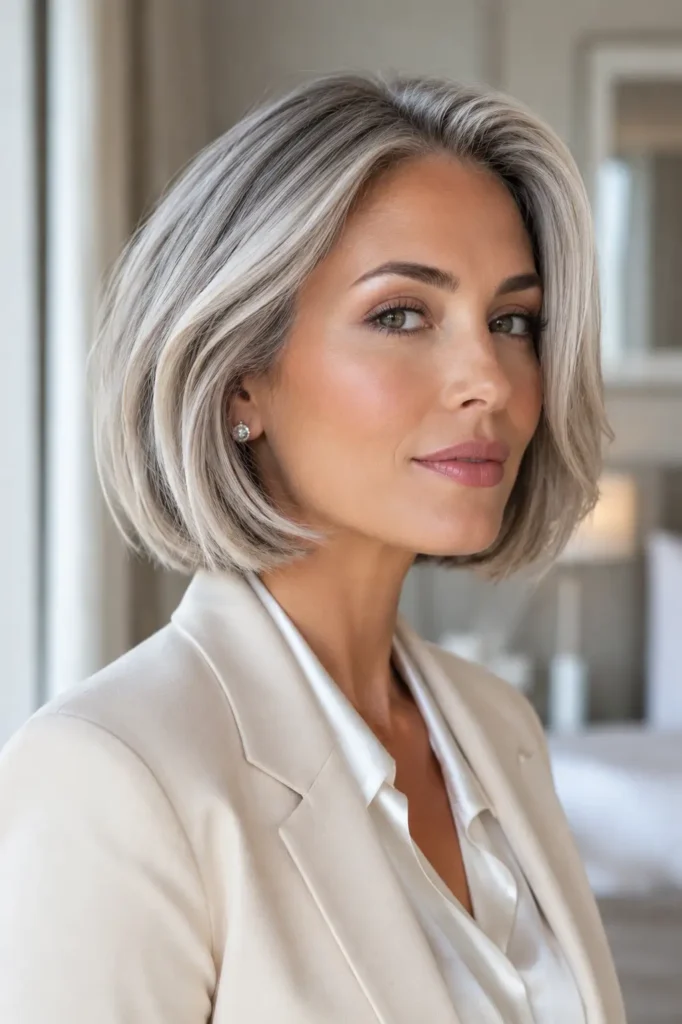
Not everyone wants a fringe, and the French bob works cleanly without one. The no-bang version suits women who prefer an open forehead and a minimal look. It works on all hair textures. Straight hair reads most polished in this version. Wavy and curly hair without bangs has a relaxed, modern quality that feels deliberately casual. Oval and long faces do especially well here because the chin-length cut adds width to the face without a fringe shortening it further. Women with round faces who skip the bangs should add at least some face-framing layers to compensate for the vertical movement that fringe would have provided.
Why the French Bob Has Stayed Popular
A haircut that keeps coming back usually does so for a practical reason, not just an aesthetic one. The French bob has stayed relevant because it solves a real problem: women want something that looks polished but does not require an hour of styling every morning.
The cut first became widely popular in the 1920s with women like Louise Brooks, then came back in various forms through the 1960s and again in the early 2000s. Right now, stylists like Jenna Perry in New York, whose version of the bob became so associated with her name that clients call it the Jenna bob, have brought it back into everyday conversation. Celebrities including Bella Hadid, Zendaya, and Katie Holmes have all worn versions of it in recent years.
Pinterest search interest for terms like french bob with curtain bangs and long french bob has climbed consistently. The trend shows no signs of plateauing.
Part of the appeal is that the French bob photographs well. It looks flattering in selfies, reads as intentional in professional settings, and ages well in a way that overly trendy cuts do not. Women are not tired of it because there is no single version of it to get tired of.
Benefits of a French Bob
The length is the biggest advantage. At chin to jaw length, the French bob hits a point that works with most face shapes without requiring much adjustment. It creates the illusion of horizontal width for long faces, adds structure for oval faces, and frames the cheekbones in a way that longer hair sometimes cannot.
It also works on both fine and thick hair, which most haircuts do not manage equally well. Fine hair benefits from the blunt or slightly layered ends, which make the hair look thicker than it actually is. Thick hair gets controlled and shaped without going too short and losing its weight.
The maintenance conversation is honest. You need a trim every six to eight weeks to keep it looking deliberate rather than grown out. But daily styling time is genuinely minimal. A quick blowout with a round brush or some wave cream and air drying covers most mornings without much thought.
Choosing the Right French Bob for You
After going through sixteen variations, the pattern is clear: the French bob is an adaptable cut, but getting it right requires making decisions before you sit in the chair, not after.
If you have fine hair, lean toward the classic blunt cut or a layered version with light ends. If you have curly hair, find a stylist who cuts curly hair dry or at least partially dry. If your face is round, choose a version with curtain bangs or face-framing layers rather than a straight blunt cut all around. If this is your first time going shorter, the long French bob is a reasonable starting point before committing to chin length.
Think about your morning routine honestly. A blunt bob with a heavy fringe requires daily styling to stay clean. A wavy textured bob or a shaggy version needs almost nothing beyond washing and air drying. The style that fits your actual life is always the right one, not the one that looks best in a single photograph.
Pick the version you will still want to maintain six weeks from now. That is the cut that will work for you.

Sarah Williams
Hi, I’m Sarah Williams — the founder of HerStyleNest, where beauty meets modern style. I share trendy hairstyles, chic nail designs, and fashion inspiration for women who love staying stylish every season. From everyday elegance to viral beauty trends, HerStyleNest is your go-to destination for effortless fashion and beauty ideas.