
23 Layered Bob Hairstyles for Thin, Fine Hair That Actually Look Luxurious in 2026
Fine hair has a reputation problem online — every third comment under a bob photo says “this won’t work for thin hair,” and most of the time that’s just bad advice repeated without context. I’ve cut layered bobs on genuinely fine hair for years building shoots for HerStyleNest, and the trick isn’t avoiding layers altogether. It’s knowing exactly where to place them so they add shape instead of stripping away density you didn’t have much of.
The cuts below are the ones that have actually held up past the salon chair — through humidity, through regrowth, through a Tuesday morning with a round brush and zero patience. Some came from my own trial and error with a too‑aggressive thinning shear early on, others were requests from clients who’d been told their fine hair couldn’t handle this much shape. Everyone proved that advice wrong.
1. Classic Layered Bob With Root Lift

This is the cut I reach for first with truly fine hair, because the layering stays concentrated near the crown instead of running through the whole length. Keeping the perimeter blunt holds onto density at the ends, while shorter layers underneath give the root somewhere to lift. My early mistake was letting a stylist thin the ends with texturising shears — it looked sparse within two weeks. Blow-dry upside down with a root-lift mousse, and the difference is obvious.
2. The Textured Lob (Long Layered Bob)
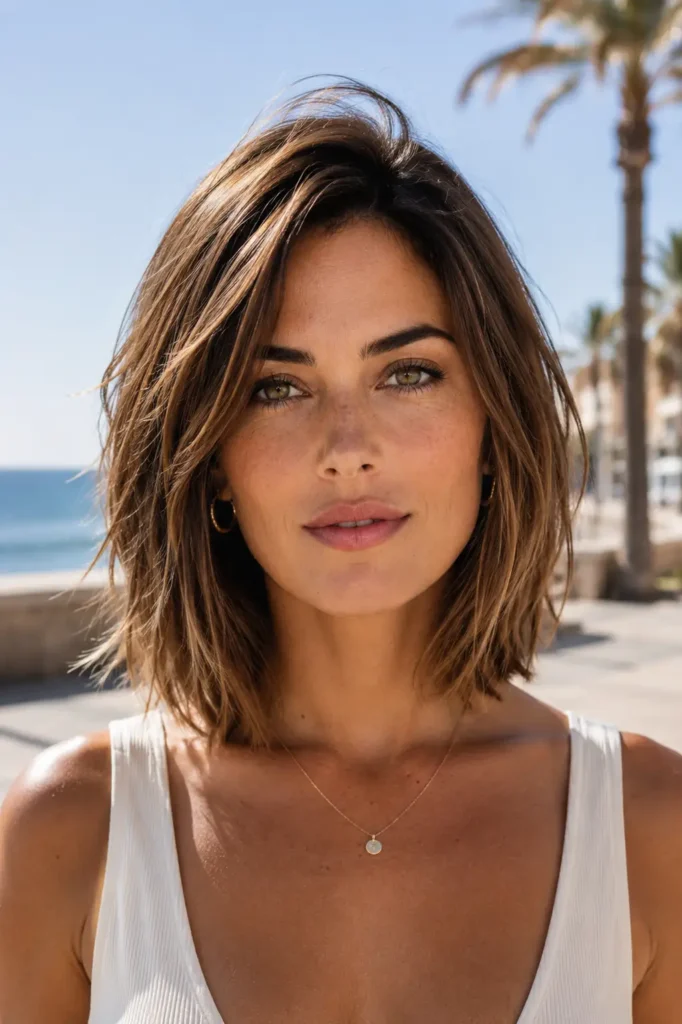
A lob gives fine hair length to play with without the weight pulling all the volume down to the shoulders. The trick is texture, not heavy layers — point-cut ends instead of a thinning razor, which keeps movement without removing density you don’t have to spare. I curl mine in alternating directions with a one-inch wand, then break it up with fingers once it’s fully cooled.
3. A-Line Bob With Subtle Layers

An A-line bob, shorter at the back and longer toward the chin, creates an optical illusion of thickness from the angle alone. Layers stay minimal and only appear underneath, never on the visible top section. I learned this one the hard way after asking for “lots of layers” on fine hair and ending up with a flat, see-through crown for months while it grew back out.
4. The Stacked Layered Bob
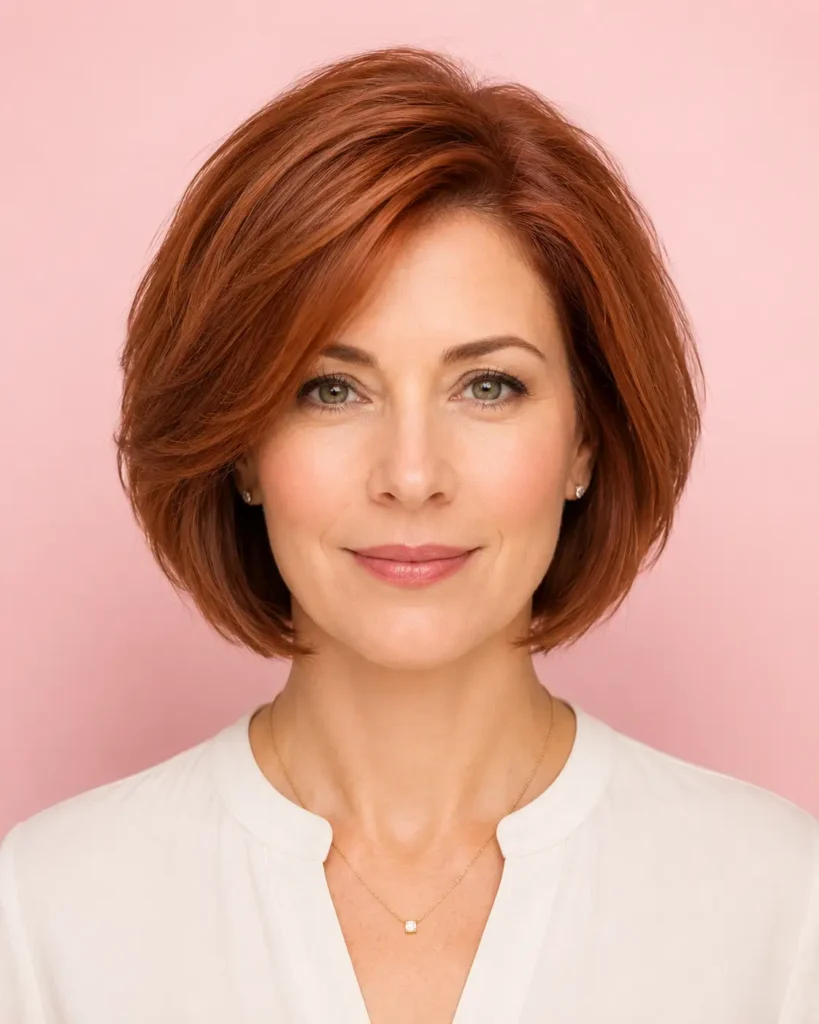
Stacking is built for exactly this hair type — short, graduated layers underneath the back section push the ends outward instead of letting them collapse inward. It reads rounded and full from the side, even on hair that’s genuinely thin. Dry it with a round brush, rolling the ends under, then mist with a flexible-hold spray instead of a stiff one, which would flatten the stack by afternoon.
5. Layered Bob With Curtain Bangs
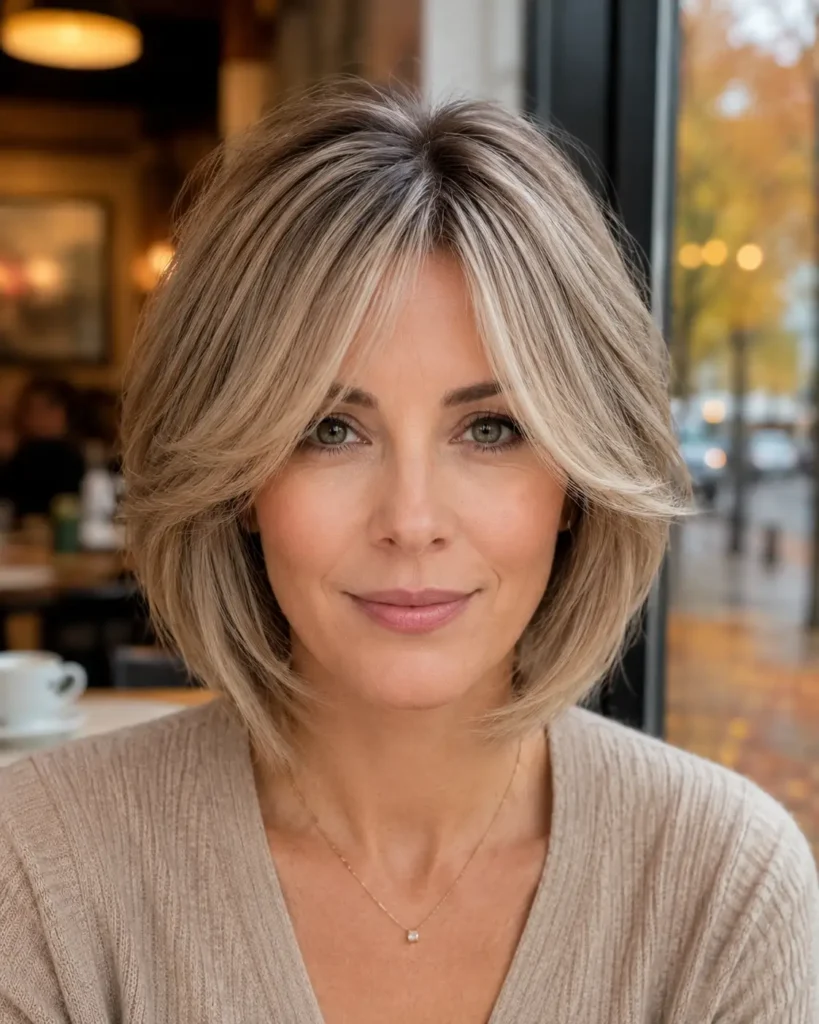
Curtain bangs paired with light layering give fine hair more surface area to look fuller, since the eye reads width across the forehead as overall density. Mine gets a quick blast with a small round brush every morning, swept off-centre rather than dead-centre, which somehow always looks more natural. Keep the bang layers soft, not razor-edged, or they will go see-through within a few washes.
6. The Choppy Layered Bob
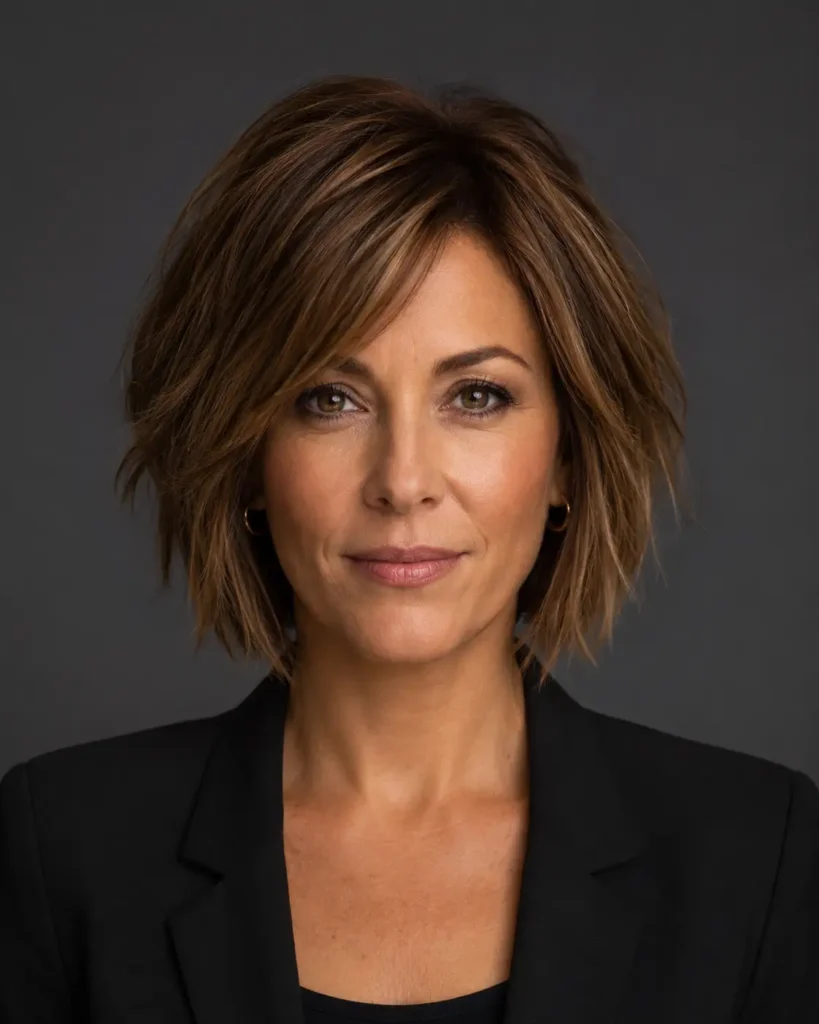
Choppy layers sound counterintuitive for fine hair, but done with scissors over a comb instead of a razor, they create texture without stripping away weight. The key is keeping the chop concentrated at the very ends, not throughout the shaft. I style mine with a texturising paste worked in while damp, then let it air-dry about halfway before finishing with a diffuser for lift.
7. Layered Bob With Face-Framing Pieces
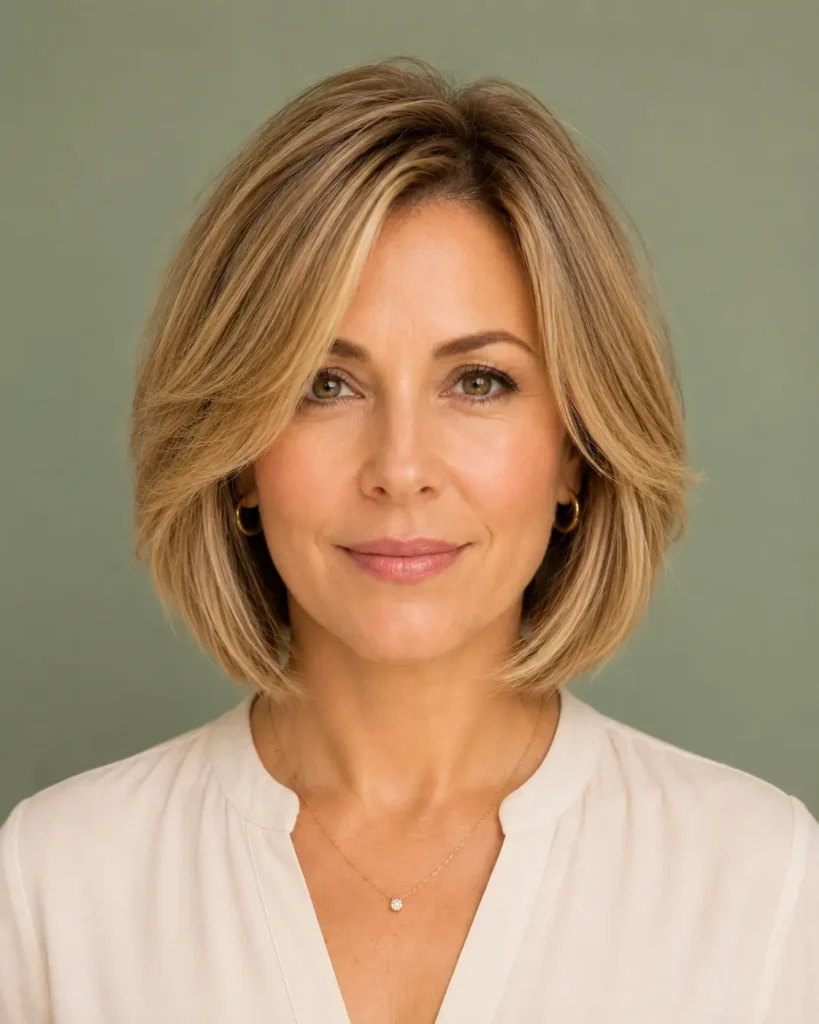
A few longer, face-framing layers cut into an otherwise blunt bob can soften a round or square jaw without sacrificing density everywhere else. I keep these pieces just past the chin and ask for soft point-cutting rather than heavy thinning. The rest of the bob stays untouched and blunt, which is exactly what keeps fine hair from reading as thin under bright light or in photos.
8. The Inverted Layered Bob
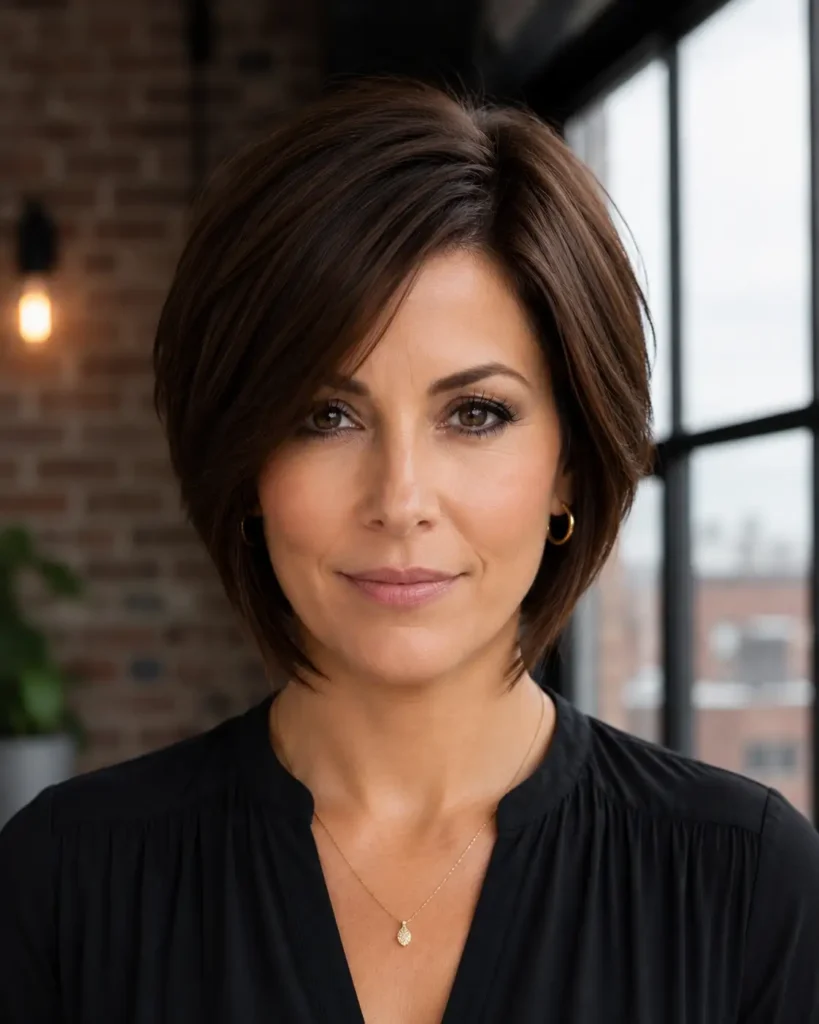
An inverted bob, shorter underneath and longer up front, builds in natural volume at the back where fine hair tends to fall flattest, fastest. I always ask for the underneath layers to be kept short rather than graduated gradually, since gradual layering on fine hair just looks limp by comparison. A volumising spray at the root before blow-drying makes the inversion actually hold its shape all day.
9. The Layered French Bob
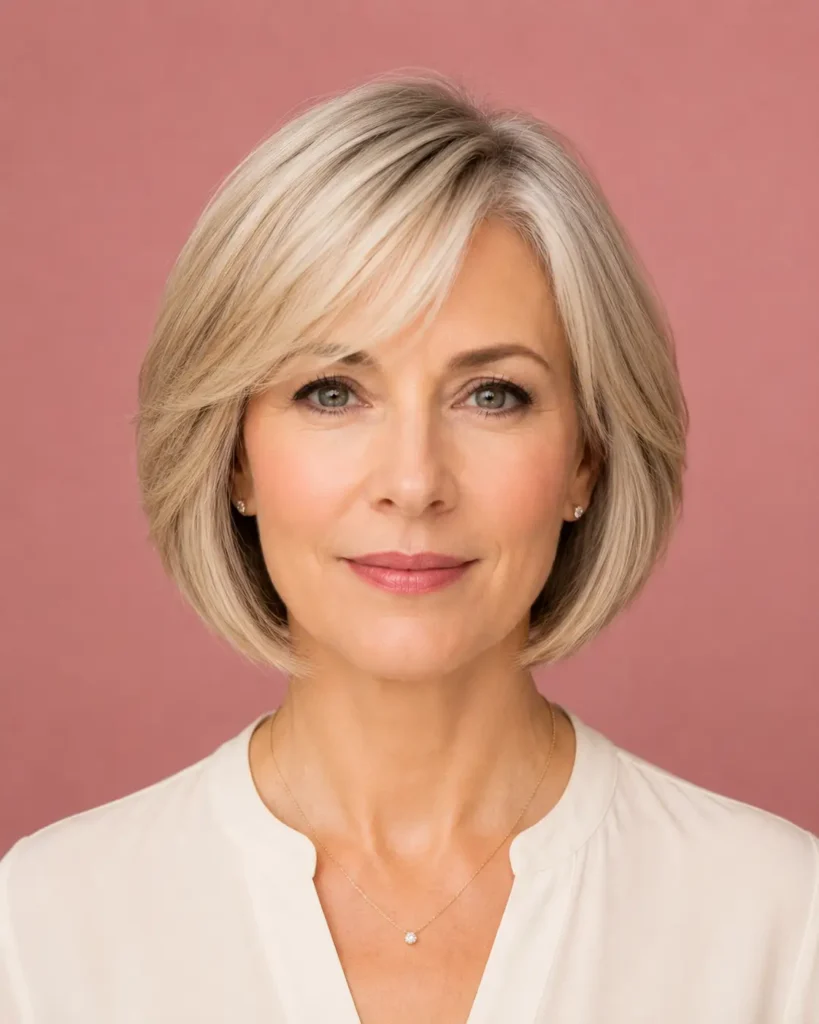
The French bob’s jaw-skimming length is genuinely one of the most forgiving shapes for fine hair, because there’s simply less length for gravity to work against. Light layers only around the bottom inch keep it from looking like a solid block. I use a small flat iron for a soft bend rather than a full curl, which reads more polished and a lot less try-hard.
10. The Wavy Layered Bob

Waves add texture that genuinely tricks the eye into seeing more hair than is actually there, which is why I push fine-haired clients toward soft waves over sleek styles. A salt spray on damp hair before diffusing gives natural-looking texture without the crunch some sprays leave behind. Skip heavy oils afterwards — they weigh down the wave and quietly undo the whole volume effect.
11. With Highlights for Dimension
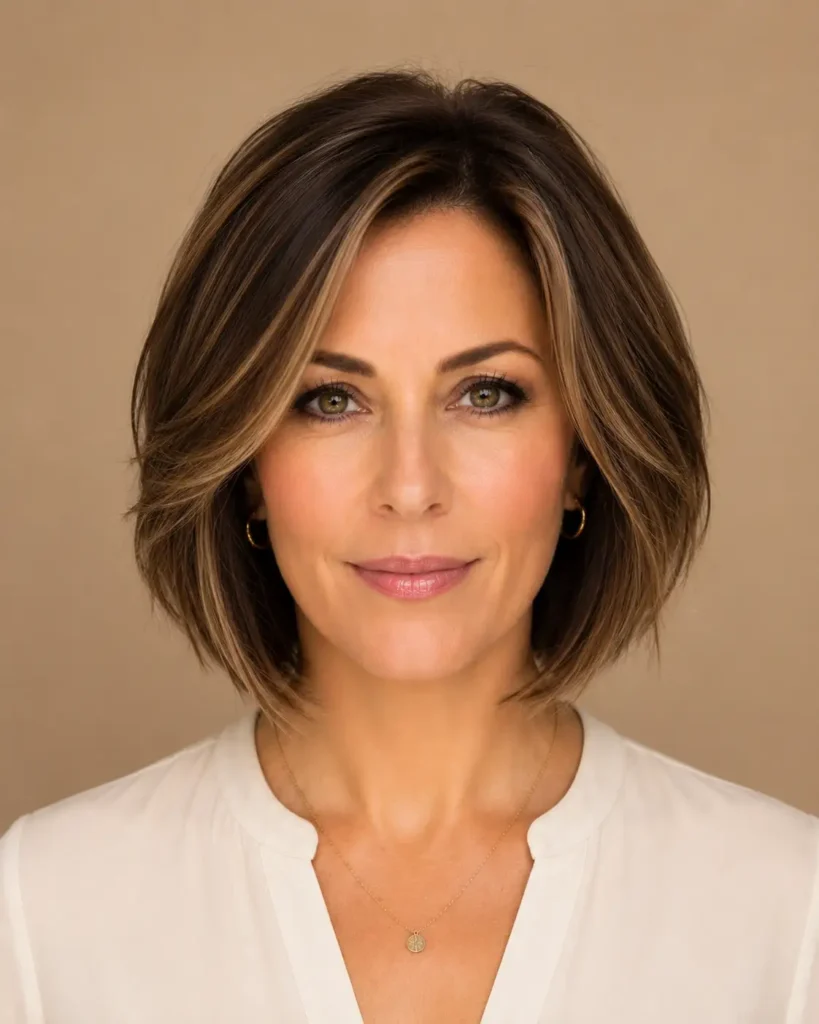
Strategic highlights placed throughout a layered bob create depth that reads as thickness in photos, even when the strand count hasn’t changed at all. I ask for fine, scattered foils rather than chunky panels, since broad highlights on fine hair can look more like color blocking than dimension. Toner refreshes every six to eight weeks keep the contrast looking intentional, not just grown-out.
12. The Soft Shag Bob (“Shob”)

This hybrid between a shag and a bob layers just enough to add movement without thinning the hair out completely, which makes it one of my favorite recommendations for fine texture. The layers are blended, never choppy, and concentrated mostly around the face. I scrunch in a lightweight mousse and let it air-dry most of the way before any heat touches it at all.
13. With Side-Swept Bangs
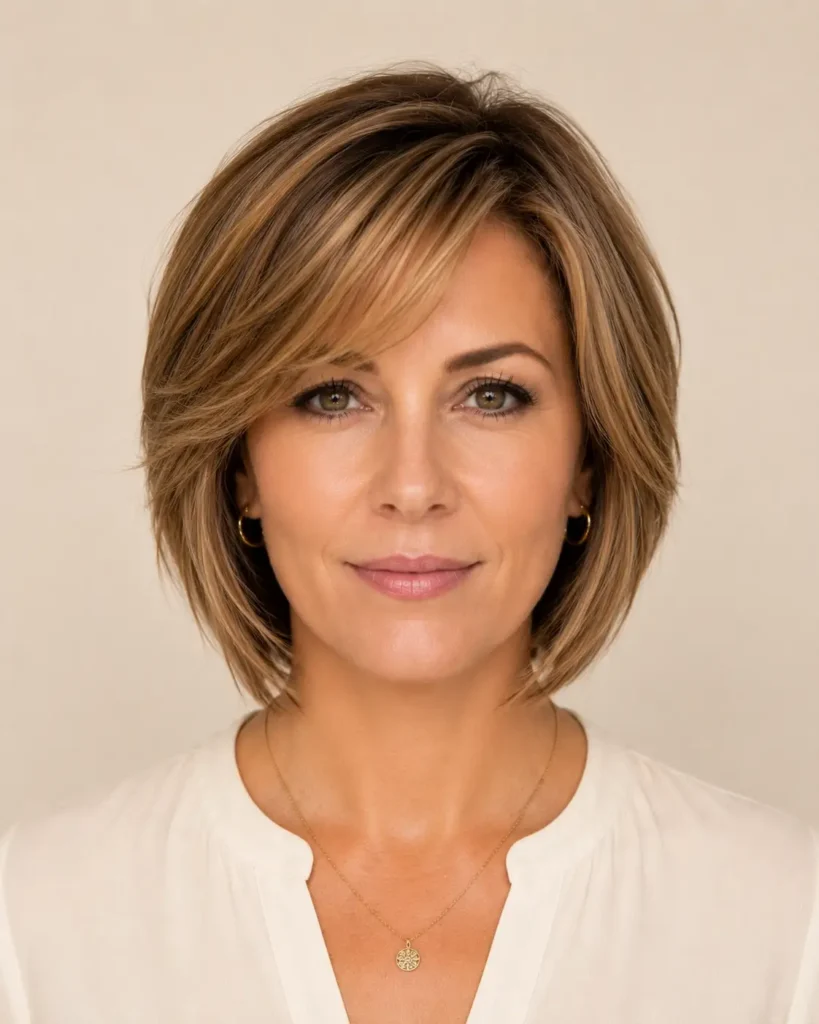
Side-swept bangs blended into a layered bob add coverage across the forehead, which helps if your hairline has thinned along with the rest of your hair. I keep the bang section slightly heavier than I would on thicker hair, since a wispy fringe on fine strands disappears entirely by the second wash. A small dab of pomade at the ends keeps them from separating.
14. The Blunt-Ended

Keeping the very ends completely blunt while layering only the interior is the single biggest trick I use for fine hair that still wants movement. The blunt perimeter acts like a frame that holds everything else together, so the layers underneath can move without the whole shape collapsing. This took years of trial and error with real clients before it became my default approach.
15. With Micro-Layers on Top
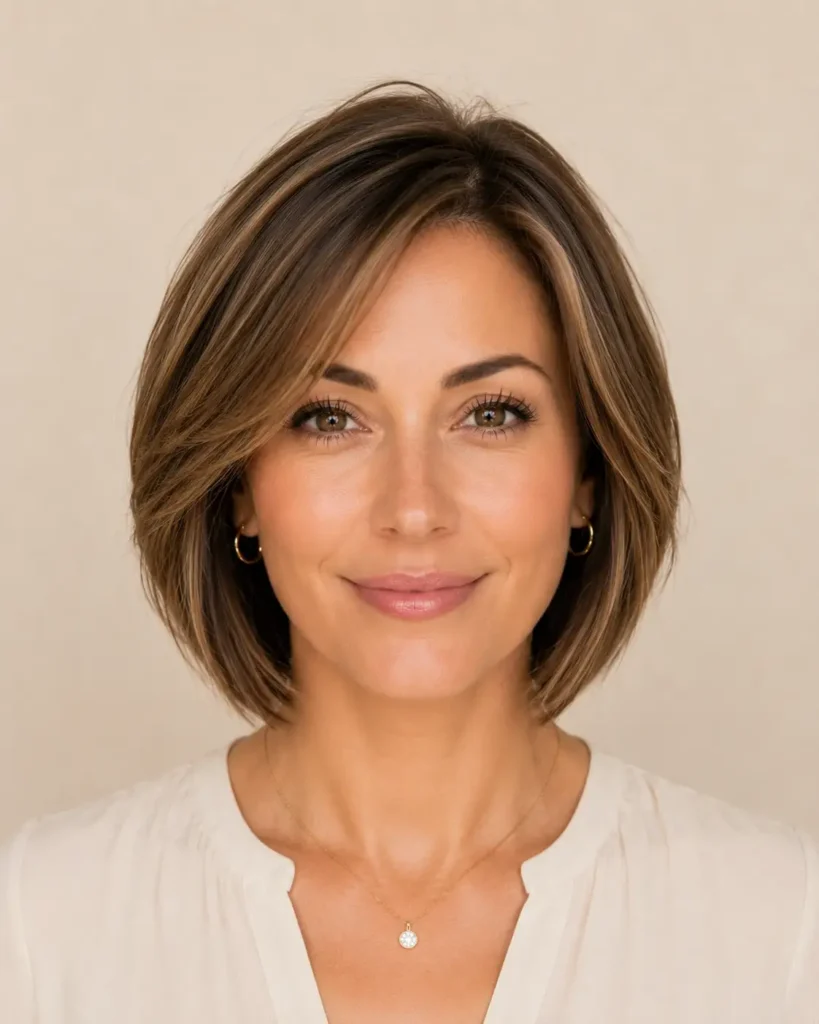
Tiny, barely-there layers cut only through the very top section lift the crown without touching the sides or back at all. It’s a subtle technique that most people don’t notice as “layers” so much as just better volume. I always blow-dry this section first, against the direction of growth, before moving to the rest of the cut — that’s where the actual lift comes from.
16. The Asymmetrical

An asymmetrical layered bob, with one side cut noticeably shorter, draws the eye diagonally and distracts from any visible scalp at the part line. I’ve found that at least an inch and a half of difference is needed before it reads as a deliberate style rather than an uneven haircut. Style the longer side with a slight outward bend for the most balanced, polished result.
17. With Balayage

Balayage applied with a light hand mimics natural sun-lightened pieces, and that contrast does a surprising amount of work to disguise thin spots near the crown. I always request it painted slightly closer to the root than usual on fine hair, since the typical “grow-out friendly” placement can look patchy on thinner strands. A glossing treatment every couple of months keeps it shiny, not dull.
18. The Feathered
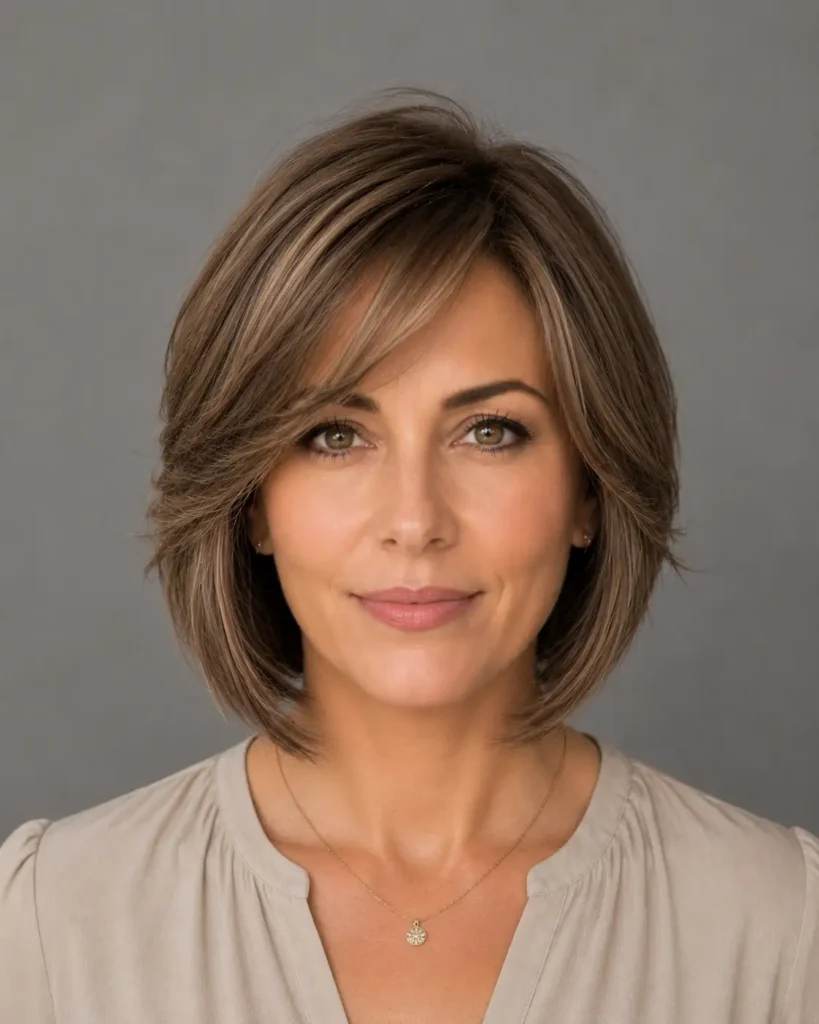
Feathering blends layers so gradually that there’s no harsh line anywhere, which on fine hair reads as soft movement instead of obvious thinning. I ask for the feathering concentrated mainly around the face rather than throughout, keeping the back section heavier for backup density. A light-hold finishing spray, applied from a distance, keeps the feathered pieces separated without making them stiff.
19. Layered Bob With a Volumising Perm
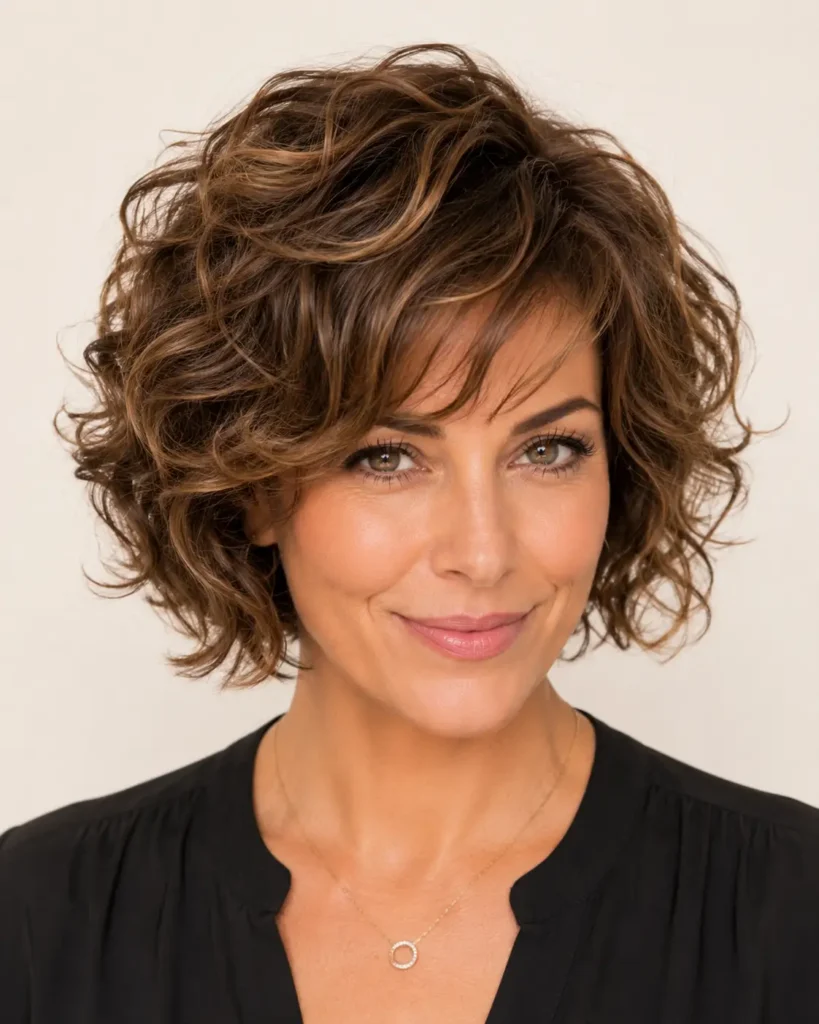
A loose, root-focused perm changed the game for one client whose fine, straight hair simply wouldn’t hold any style past 10 a.m. We kept the rods small only at the root and skipped the ends entirely, which gave lift without turning the whole bob curly. It’s a bigger commitment than most cuts on this list, but the volume genuinely holds through humid afternoons.
20. The Layered Bixie (Bob-Pixie Hybrid)
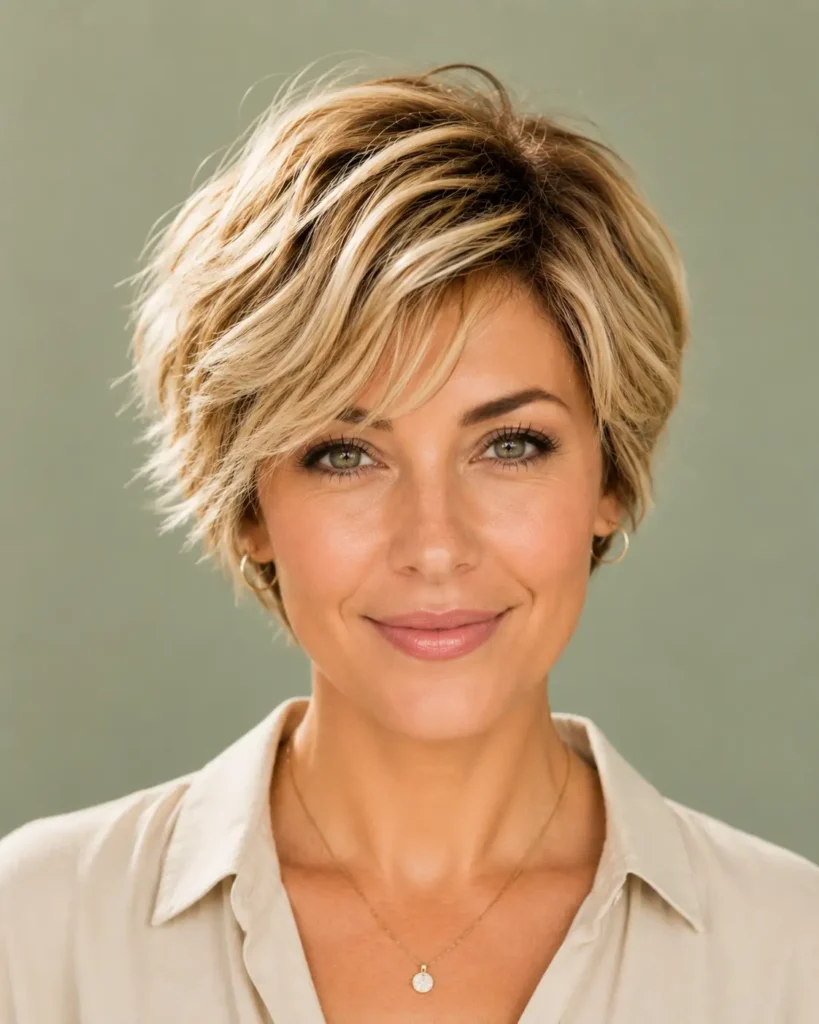
Going shorter than a typical bob sounds scary, but the bixie’s cropped length means there’s far less hair for gravity to drag down by the afternoon. Layers stay soft and minimal since the shorter length already creates plenty of natural texture on its own. I style it with just a texture paste and fingers most days, no real heat tool required at all.
21. With an Undercut Nape
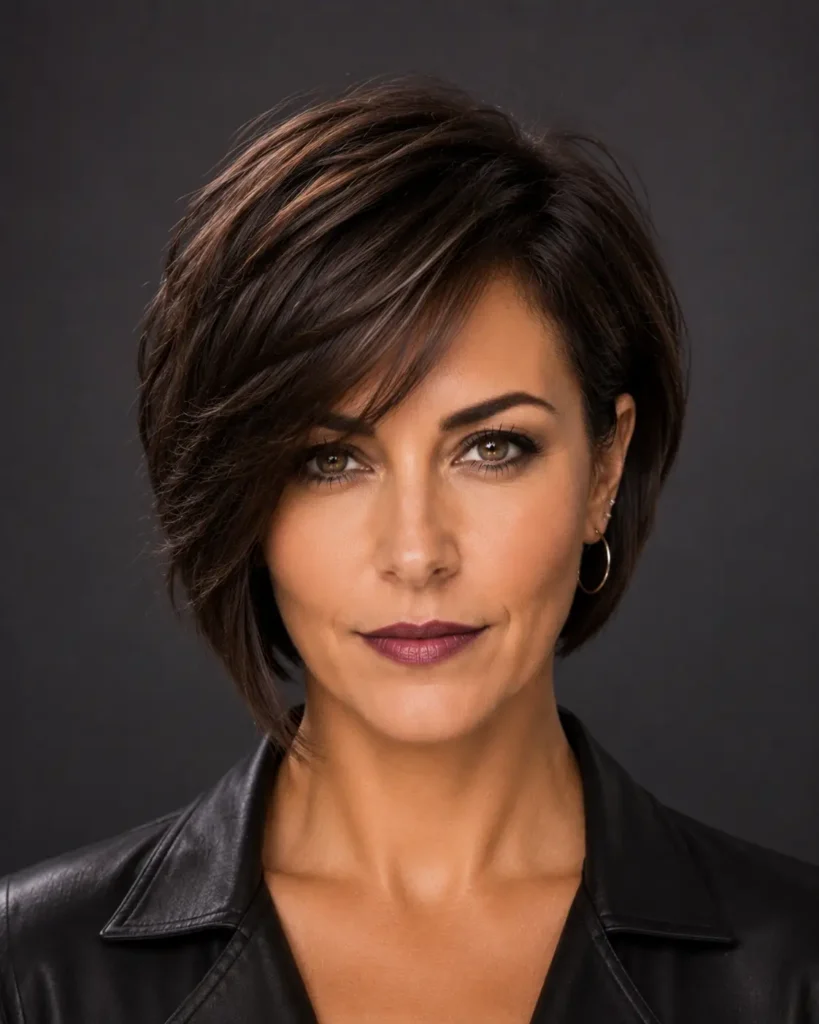
A subtle undercut at the nape removes bulk where fine hair tends to look limp anyway, while the visible top layers stay completely untouched and full. It’s a quieter way to add an edgy detail without committing to anything dramatic up top. Clients are usually surprised by how much lighter their whole head feels, even though the visible length barely changed at all.
22. Layered Bob With Curly Ends

Curling just the bottom third of a layered bob, rather than the whole length, builds volume exactly where fine hair needs it most without flattening the crown with heat. I use a one-inch wand on horizontal sections, alternating curl direction, then brush through gently once everything’s cooled. Skip the heavy serum here — a lightweight curl spray holds shape without weighing it out.
23. Layered Bob With Babylights

Babylights are the finest, most delicate highlighting technique available, and that subtlety actually flatters fine hair better than bigger color changes do. The thin strands of lighter color blend so seamlessly that they read as a natural dimension rather than a visible color service. I pair this with minimal layering so the color, not the cut, does most of the visual heavy lifting here.
Getting This Cut Right the First Time
If there’s one thing to tell your stylist before they pick up the scissors, it’s this: ask where the layers are actually going, not just how many. “A few layers” means nothing without specifics, and I’ve seen more disappointing fine-hair cuts come from vague requests than from any real cutting mistake. Bring a photo, point to where you want movement, and say the word “blunt” out loud about the perimeter.
I still remember the first client who came in convinced her fine hair couldn’t hold a shape past lunchtime, and watching her go quiet in the mirror when the stacked layers actually held through a full day outside. That reaction is the whole reason I keep cutting these. Give whichever style you pick here a couple of styling attempts before judging it — fine hair often needs one extra practice round before it clicks.

Sarah Williams
Hi, I’m Sarah Williams — the founder of HerStyleNest, where beauty meets modern style. I share trendy hairstyles, chic nail designs, and fashion inspiration for women who love staying stylish every season. From everyday elegance to viral beauty trends, HerStyleNest is your go-to destination for effortless fashion and beauty ideas.


Pingback: Chin Length Hairstyles For Thin, Fine Hair
Pingback: 23 Warm Caramel Balayage With Honey Highlights