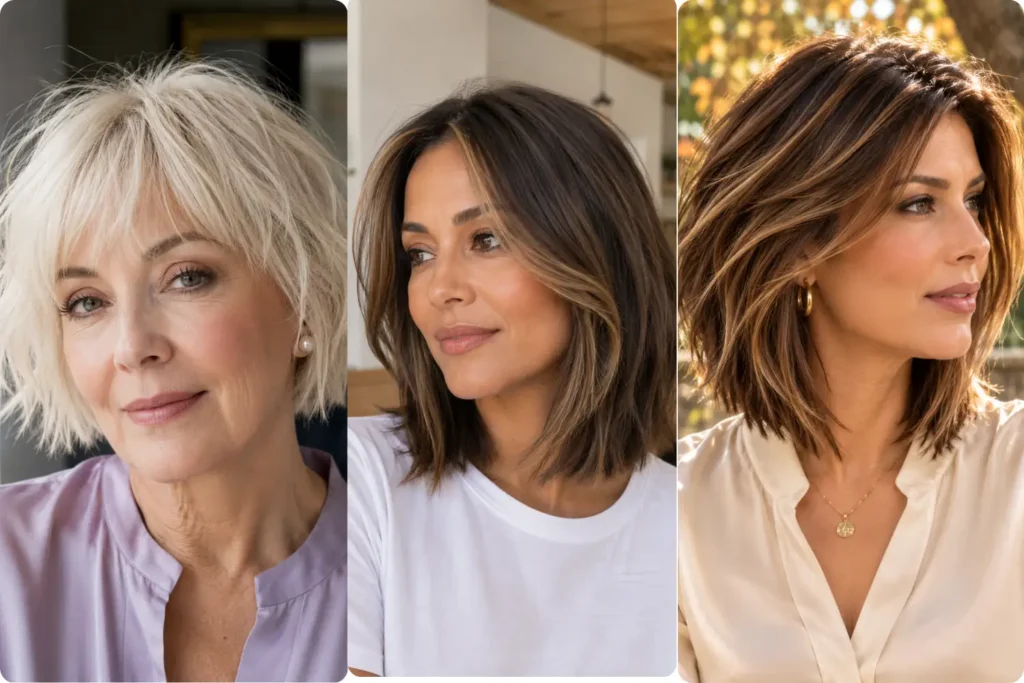

21 Volume-Boosting Choppy Bob Hairstyles for Fine Hair
Fine hair can be difficult to style, but the right haircut can make it look noticeably fuller. A choppy bob for fine hair is one of the best choices because its textured layers, piece-y ends, and natural movement create the illusion of thicker, more voluminous hair without requiring heavy styling. Whether you prefer a sleek, classic bob or a modern tousled finish, there’s a flattering option for every face shape and lifestyle.
In this guide, you’ll discover 21 choppy bob hairstyles for fine hair that add volume, texture, and dimension. You’ll also find expert styling tips and inspiration to help you choose a bob haircut that makes fine hair look fuller, healthier, and effortlessly stylish.
Why a Choppy Bob Works So Well on Fine Hair
A choppy bob is one of the most flattering haircuts for fine hair because it creates the illusion of thicker, fuller strands. Textured, piece-y ends and soft layers add movement and dimension, helping hair look more voluminous instead of flat. Keeping the length between the jaw and collarbone also gives fine hair better lift and natural body.
For even more volume, many choppy bobs include subtle graduation or stacked layers at the back, which build fullness at the crown and nape without relying on heavy styling products. The result is a modern, lightweight haircut that’s easy to style and ideal for making fine hair appear thicker.
1. Classic Choppy Chin-Length Bob
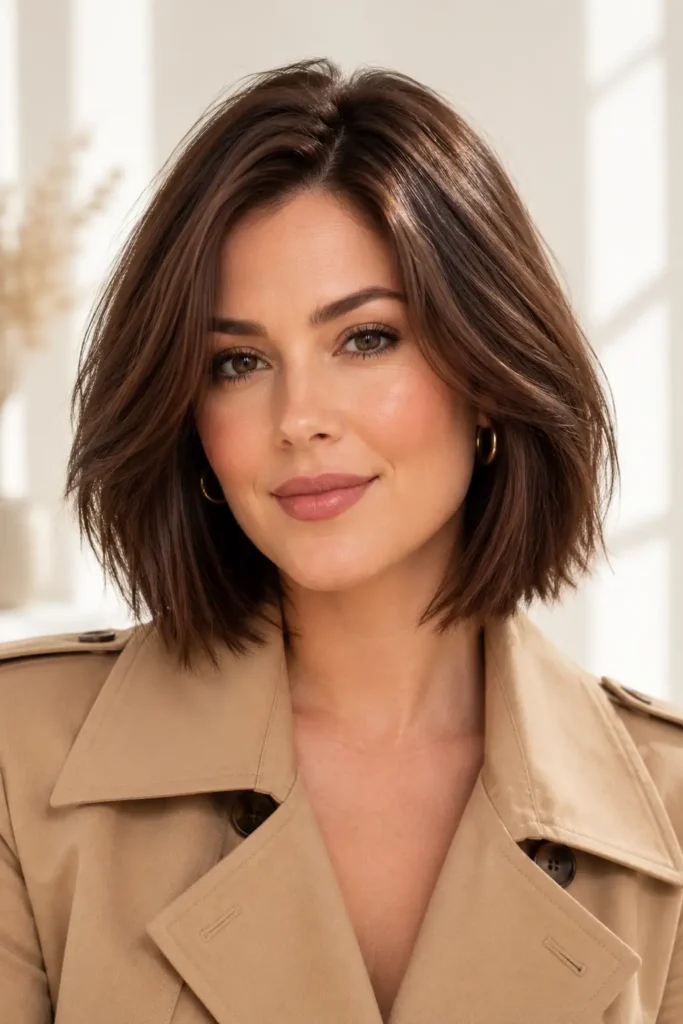
The chin-length choppy bob is where most fine-haired clients start, and for good reason. The length hits at jaw level, which creates a natural widening effect for oval and long face shapes. The ends are point-cut into uneven sections rather than blunt-cut, giving each strand its own direction and eliminating the flat, pressed-together look that blunt-cut fine hair often has. Ask your stylist to keep the interior solid but finish all the ends with shears held vertically.
2. Textured A-Line Bob with Piece-y Ends
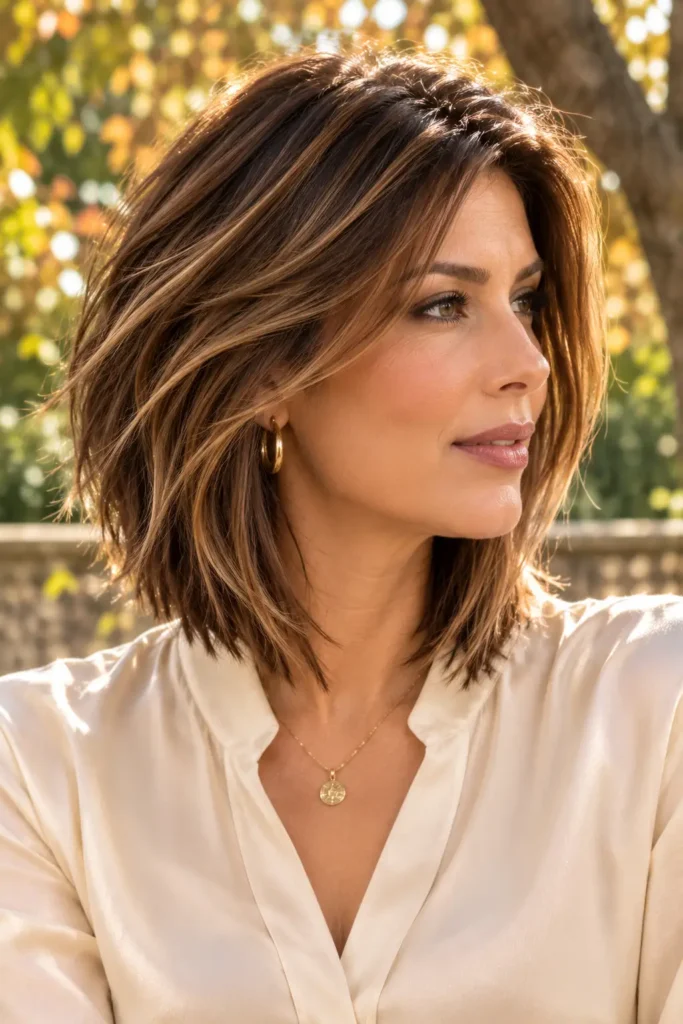
The A-line bob cuts shorter at the back and graduates longer toward the front, creating a diagonal line from nape to face. For fine hair, the shorter nape section naturally lifts at the back and creates the illusion of thickness, while the longer front sections frame the face. The piece-y end technique is essential here. Ask for the ends to be finished with a razor or vertical point cutting so they separate naturally rather than clumping together when dry.
3. Disconnected Choppy Bob
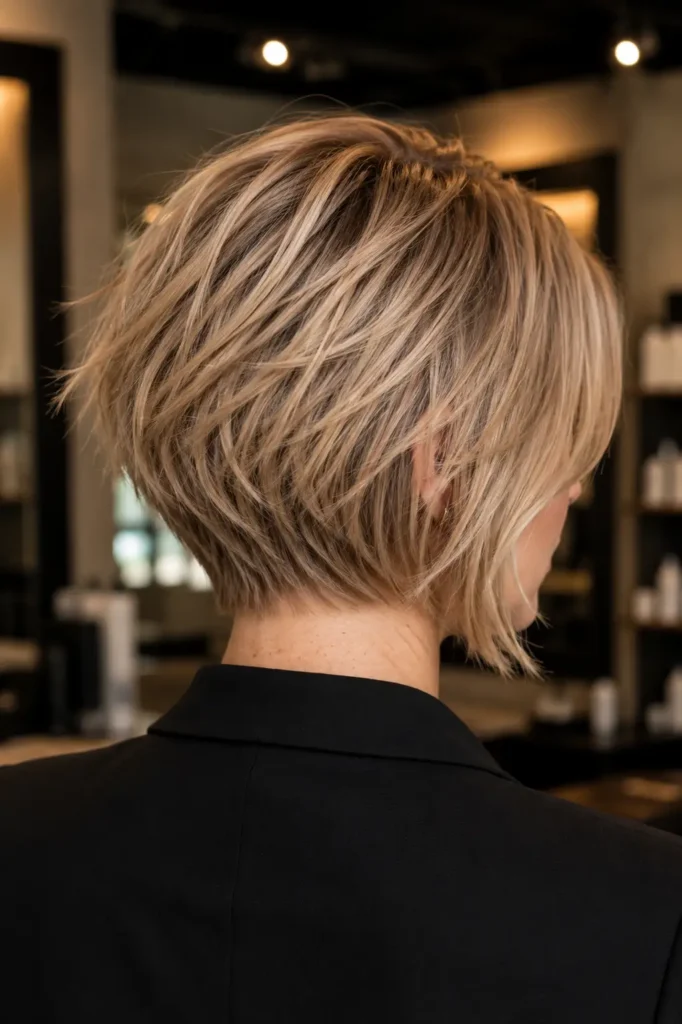
A disconnected bob has layers that do not blend continuously from section to section, so different panels of the hair move independently. On fine hair, this creates visible texture because the hair is not all lying in the same plane. The disconnection is typically strongest at the interior layers and the nape, with the surface hair left slightly longer. This is a more editorial look and suits oval, heart, and square face shapes particularly well.
4. Wispy Layered Bob for Thin Hair
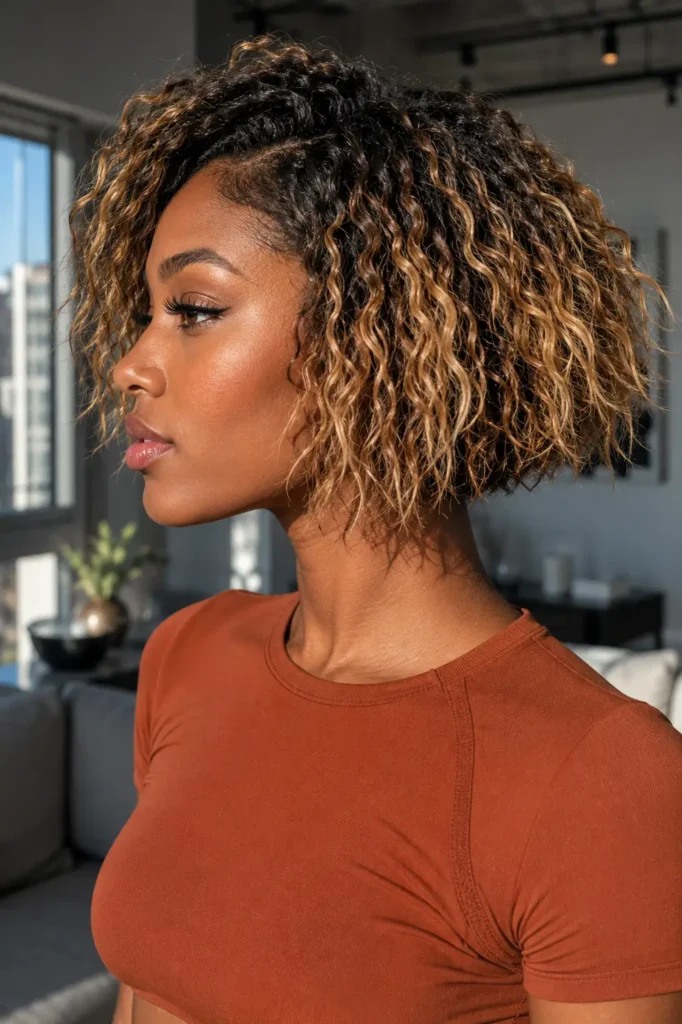
Wispy layers are the softest version of choppy texture, where the ends are barely disturbed rather than dramatically point-cut. The result is a gentle fringe of movement at the ends rather than strong separation. This suits very fine hair with little natural density because the wispy technique does not risk making the hair look stringy or sparse, which heavier choppy cuts sometimes can on extremely thin strands. Works well on straight to slightly wavy fine hair.
5. Blunt-Front Choppy Bob with Razored Ends
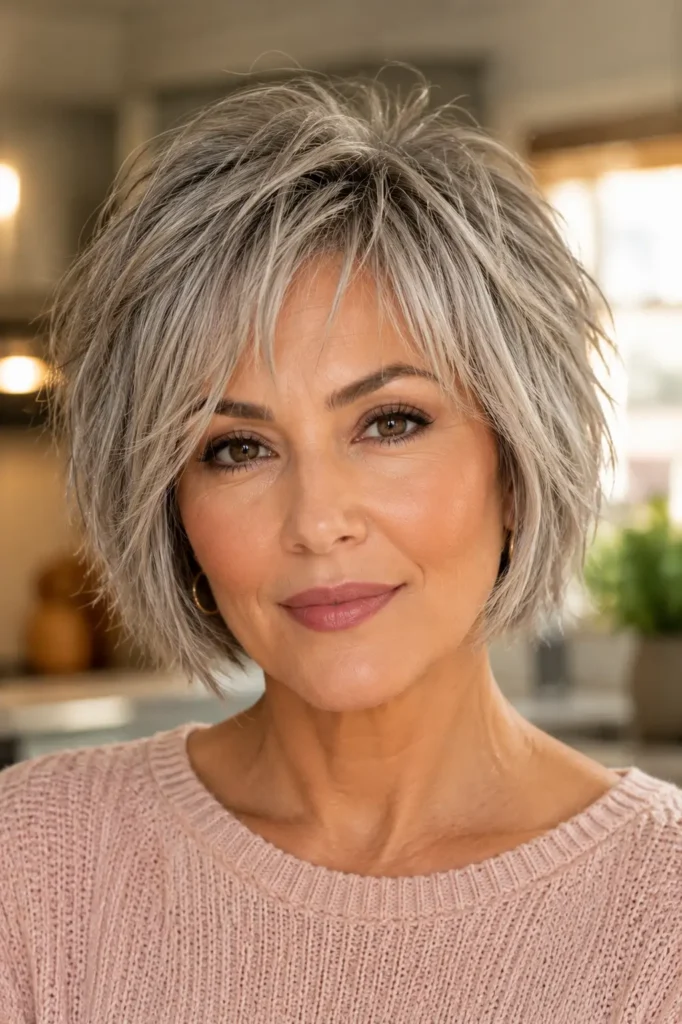
This version keeps the perimeter visually blunt from the front, which reads as strong and intentional, but the razor is used to finish the ends underneath and inside the cut. The result looks structured at first glance but moves loosely when the hair shifts. The razor technique slightly opens the cuticle at the ends, which increases the hair’s ability to grip texture products, making styling last longer on fine strands that usually lose hold by early afternoon.
6. Short Choppy Bob Above the Jaw
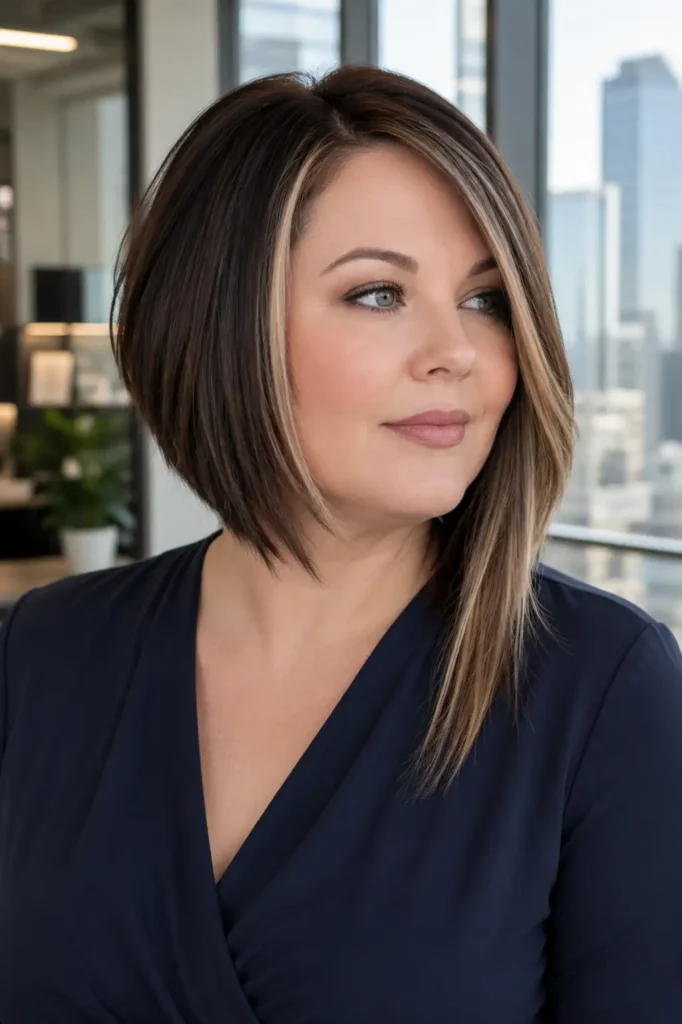
Cutting above the jaw shortens the amount of hair that fine strands have to hold up, which reduces the weight-induced flatness that fine bobs sometimes develop by the end of the day. A cropped choppy bob with heavy texture at the ends and a slight graduation at the nape creates concentrated volume in a small space. This suits square and oval faces best, and it is low maintenance because fine hair at this length dries quickly and holds style with less product.
7. Stacked Choppy Bob
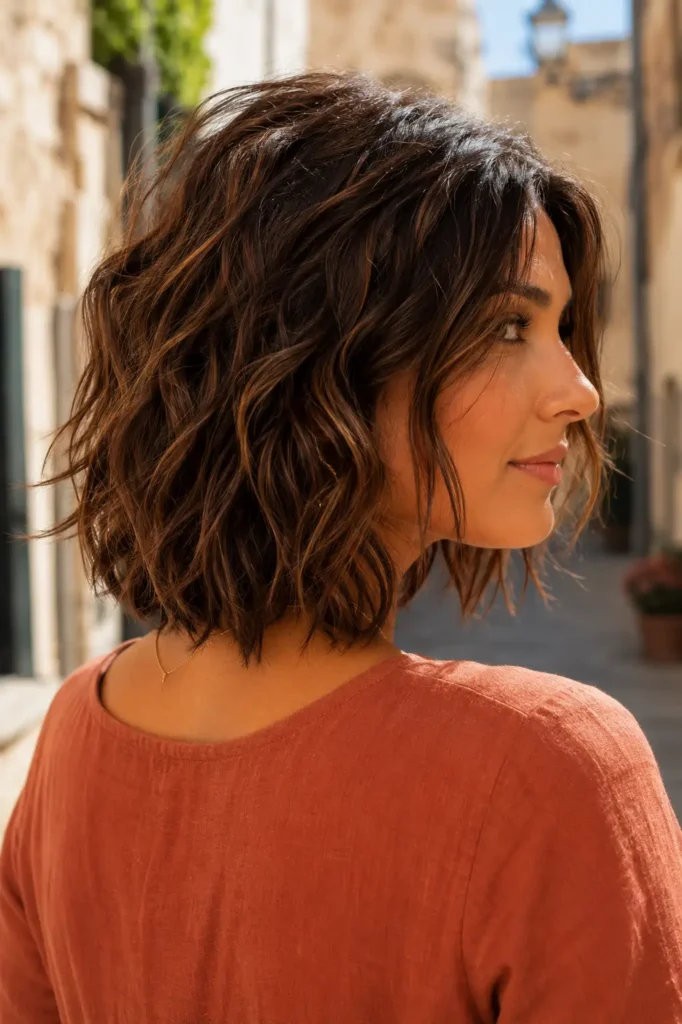
Stacking refers to the graduation built into the back of the bob, where layers are stacked on top of each other to create height and fullness at the nape. For fine hair, a stacked choppy bob is one of the most volume-efficient cuts available because the stacking creates structural lift rather than relying on product alone. The front remains longer and choppy-ended, creating contrast between the full back and the framing front sections. This is a high-commitment cut that requires trims every six to eight weeks to maintain the shape.
8. With Curtain Bangs
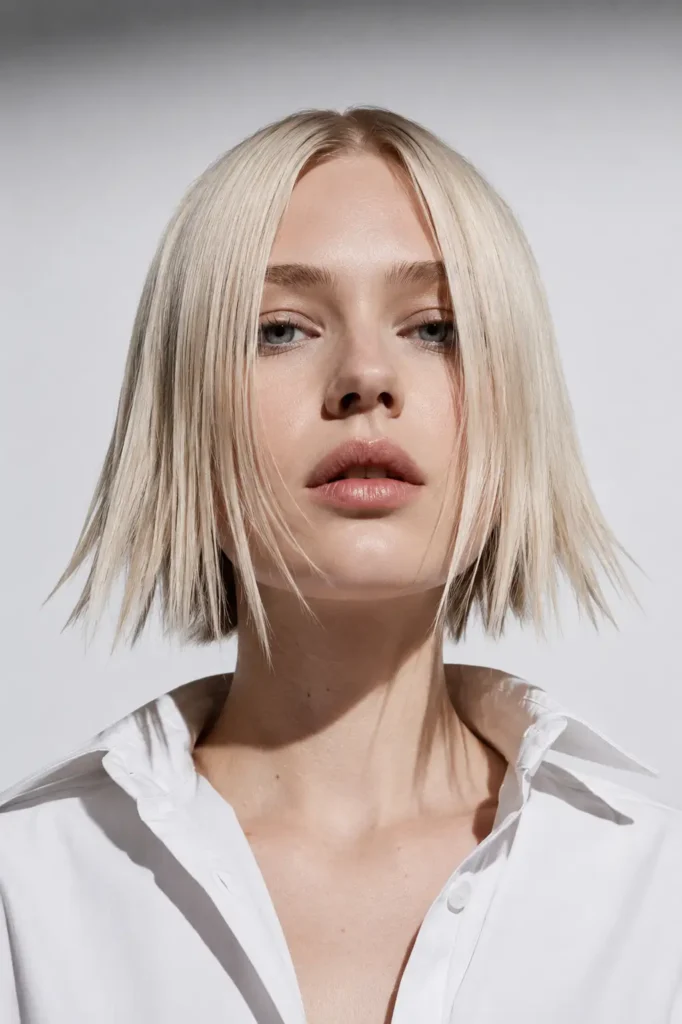
Curtain bangs, the centre-parted fringe that falls on either side of the face, pair naturally with a choppy bob because both elements share the same textured, undone quality. For fine hair specifically, curtain bangs add a visual layer at the forehead that makes the face look more framed, and the hair look denser. Ask your stylist to cut the bangs with the same point-cut technique used on the bob ends so the texture is consistent throughout. HerStyleNest has a detailed guide on styling curtain bangs for fine hair worth checking out.
9. Collarbone Choppy Bob
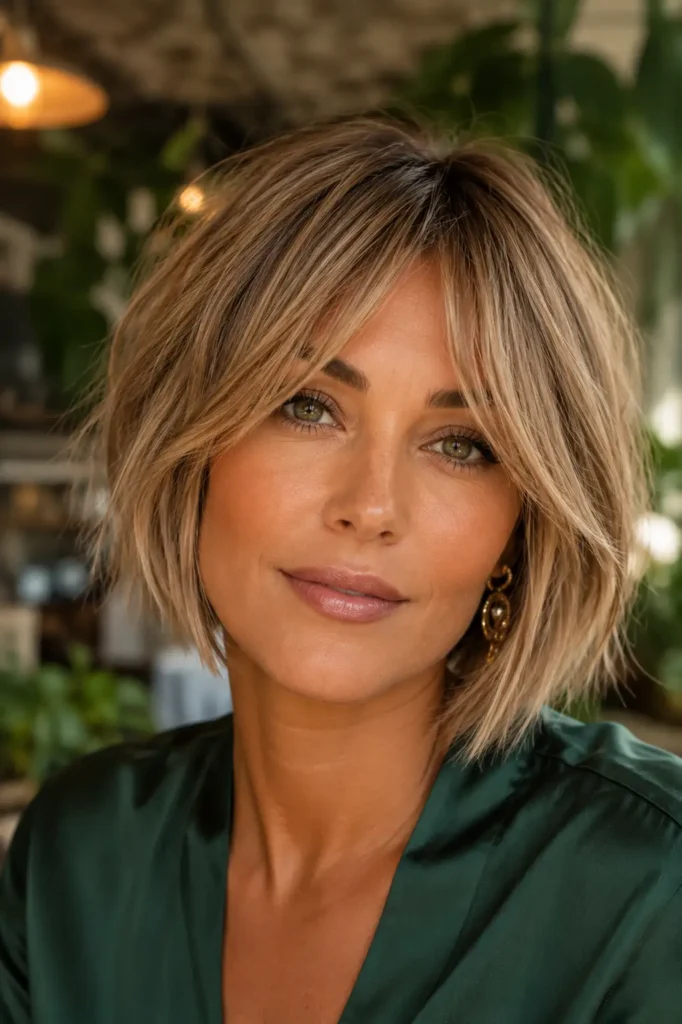
The collarbone length is the longest a fine-hair choppy bob should generally go before gravity starts working against it. At this length, the hair still has enough weight to swing but not so much that it collapses. The choppy technique is even more important at collarbone length than at chin length, because longer fine hair needs more help at the ends to avoid looking limp. A texturizing spray at the root and a diffuse-dry routine will help this length hold through the day.
10. Razor-Cut Choppy Bob
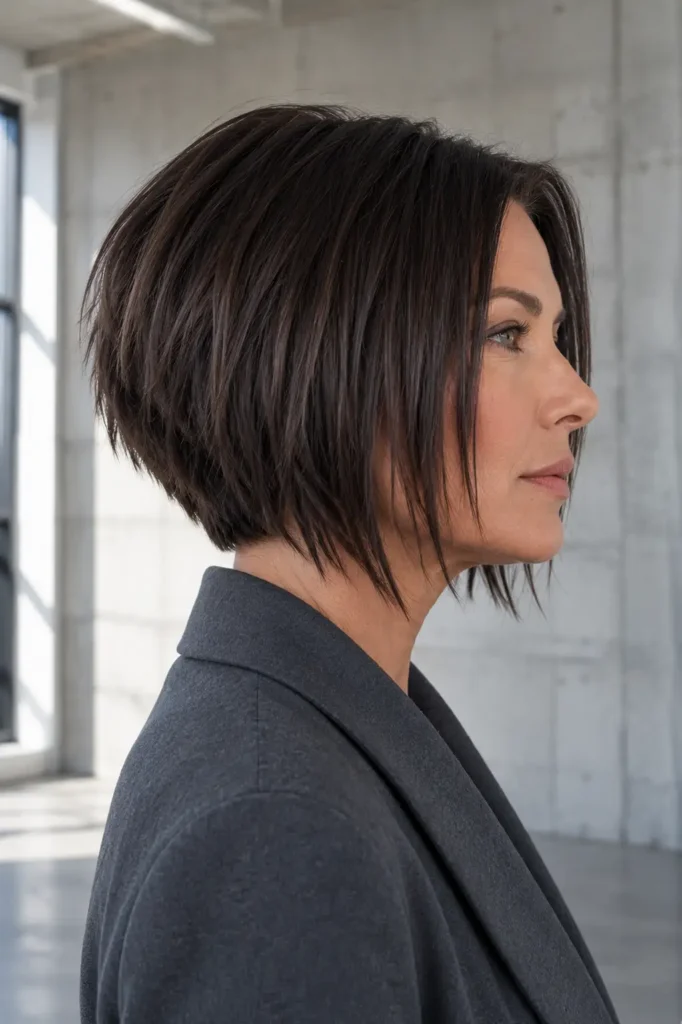
A razor cut uses a straight razor blade rather than shears to finish the ends of the bob. The razor creates micro-bevelled ends that are thinner at the tip than at the base, which makes individual strands catch light and appear textured even when the hair is smooth. For fine hair, the razor technique works best on hair that is naturally straight or has a slight wave, since very wavy or frizzy fine hair can become puffy rather than piece-y when razor-cut.
11. Choppy Bob with Face-Framing Layers
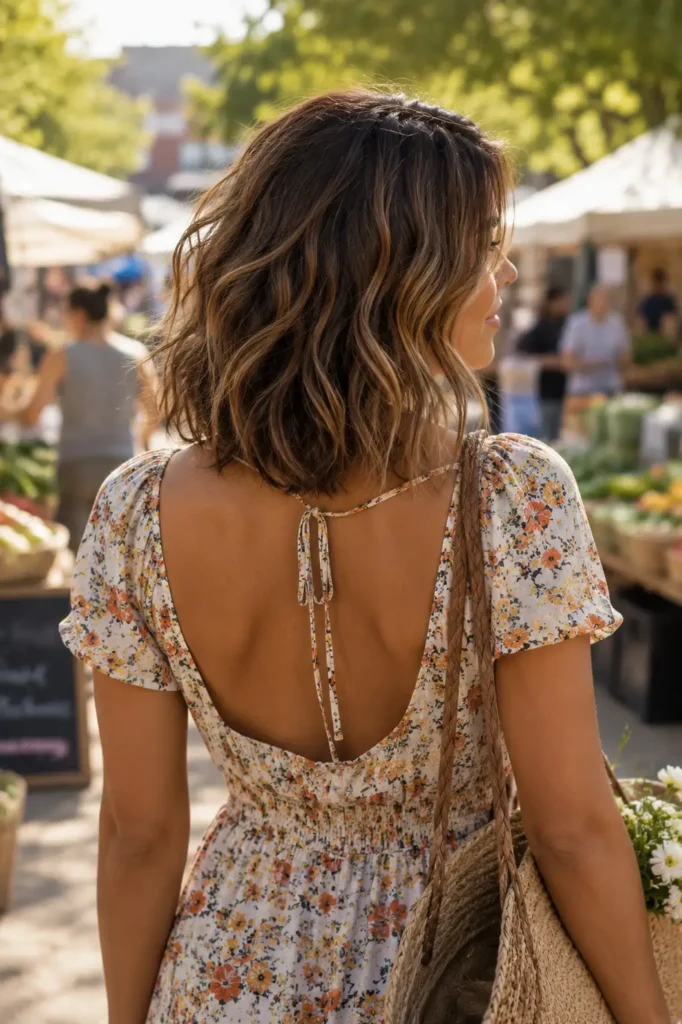
This version keeps the bulk of the bob at one length but adds two or three strategic face-framing layers around the hairline and temples. These layers are longer than the rest of the bob and cut with a strong choppy finish. The effect is that the hair draws inward toward the face, which creates a narrowing effect for wider face shapes and adds movement for round faces. A drop of OUAI Texturising Hair Spray through the face-framing sections after blow-drying will lift and separate them.
12. Tousled Choppy Bob for Wavy Fine Hair
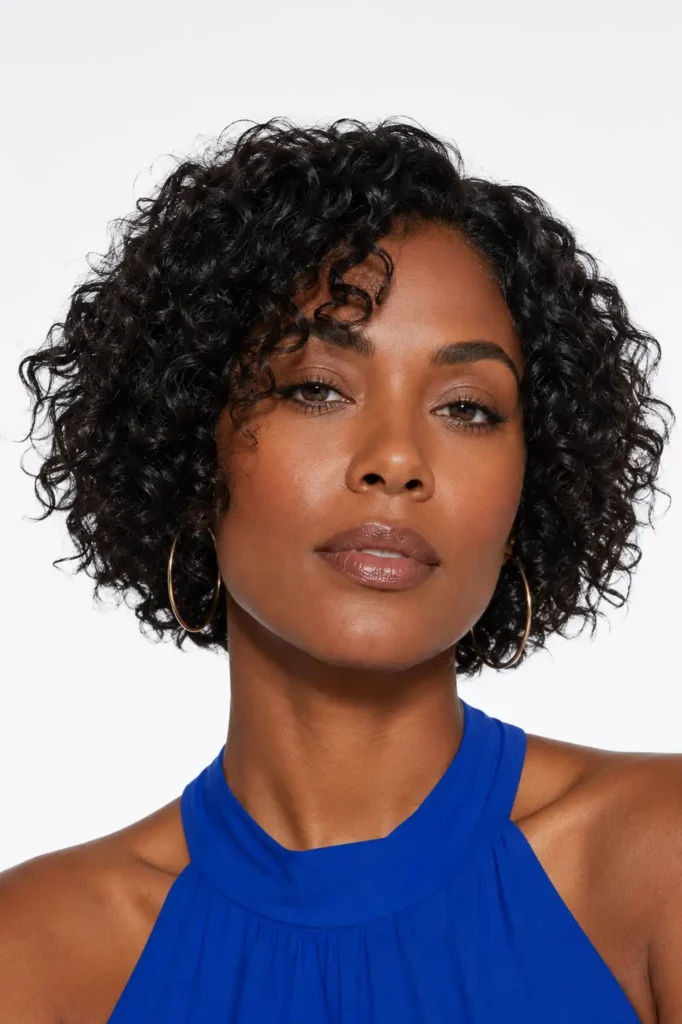
Fine hair that also has a natural wave is actually easier to work with in a choppy bob than pin-straight fine hair because the wave adds body without needing product. A tousled, choppy bob embraces this wave by using a diffuser attachment on a low heat setting to encourage the natural pattern rather than blowing it out. The ends should be left to air-dry slightly before diffusing, then the diffuser should be used at medium heat with the hair scrunched upward toward the scalp.
13. Piece-y Choppy Bob for Thick-Looking Results
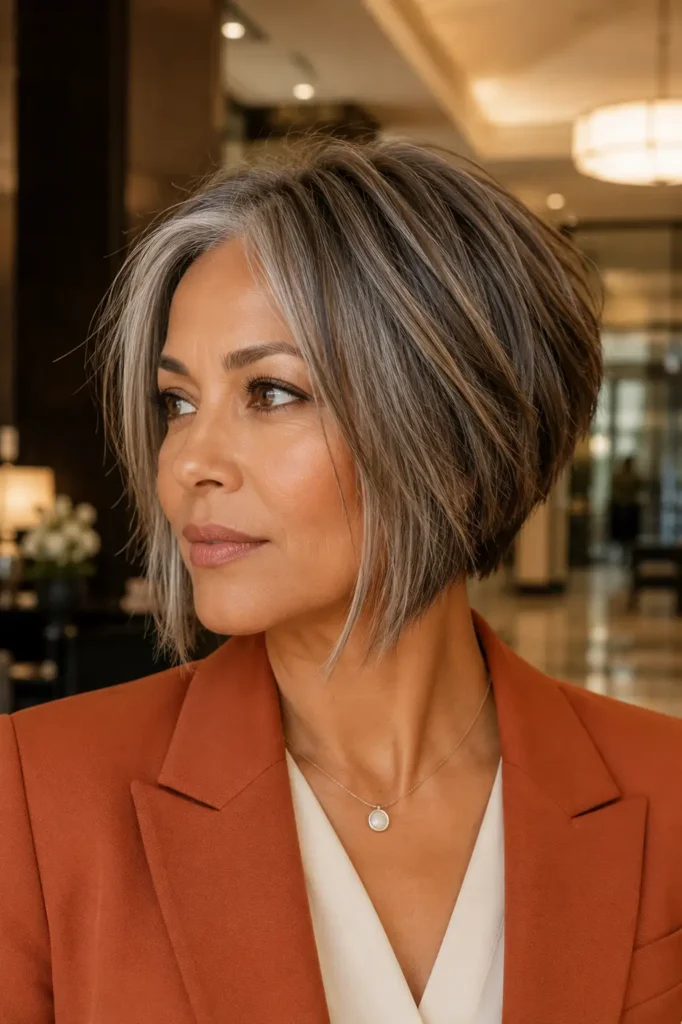
The piece-y bob is a specific styling outcome rather than a cut variation. The cut has strong point-cut ends, and the styling uses a light wax or paste to separate those ends into individual pieces rather than letting them dry together. On fine hair, this technique works with a rice-grain-sized amount of product worked between the fingertips and then lightly pressed into the ends while the hair is still slightly damp. Too much product collapses fine hair, so less is always more here.
14. Asymmetric Choppy Bob
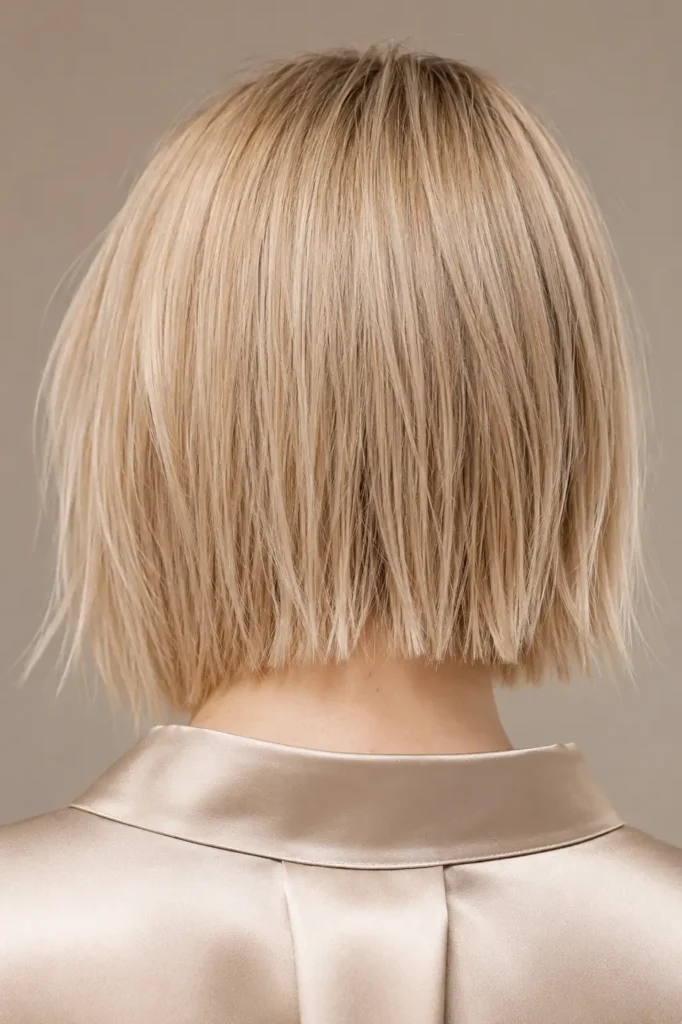
An asymmetric choppy bob cuts one side slightly longer than the other, creating a diagonal silhouette from one ear to the opposite jaw. For fine hair, the asymmetry introduces visual interest that reads as dimension even when the hair itself is thin. The longer side can be cut with soft choppy layers while the shorter side goes more bluntly finished. This suits oval and heart face shapes particularly well, and it is a strong choice for women who want a statement cut without committing to very short hair.
15. Choppy Bob with Highlights for Perceived Depth
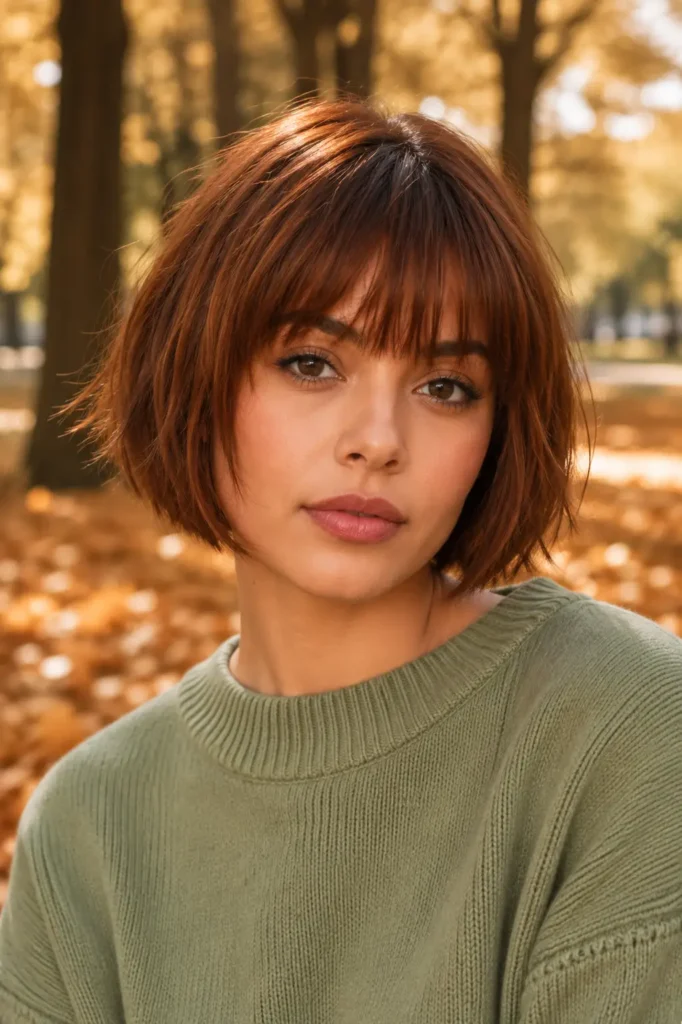
Color and cut work together in a choppy bob for fine hair. Adding warm highlights or a subtle balayage to a choppy bob creates tonal variation at the ends, which makes the piece-y sections read as even more textured and dimensional because the eye picks up on the contrast between light and shadow in the ends. If you have fine hair and are considering color, a golden blonde or honey balayage paired with your choppy bob is worth looking at on the HerStyleNest color guides.
16. Sleek Choppy Bob for Straight Fine Hair
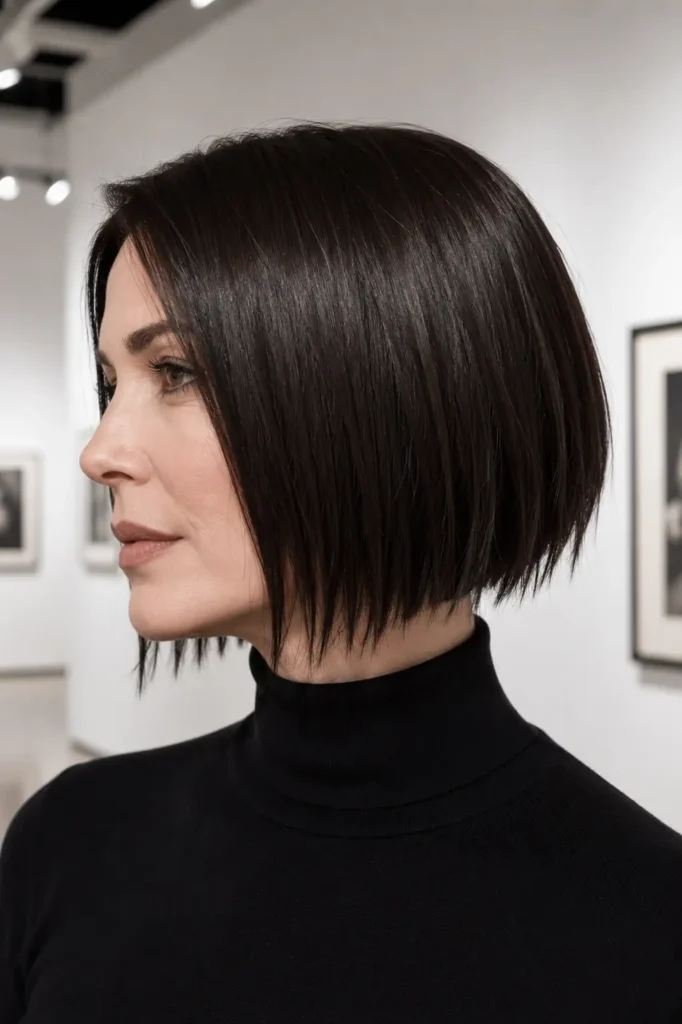
Not every choppy bob needs to be styled with texture. A sleek version blow-dried smooth with a paddle brush and finished with a small amount of serum lets the choppy ends read as intentional and precise rather than undone. On straight fine hair, the contrast between the smooth surface and the textured, uneven ends creates an interesting tension that looks very current. Moroccanoil Smoothing Lotion used sparingly on damp hair before blow-drying will give this finish without weighing the hair down.
17. Choppy Bob with a Side Part for Volume
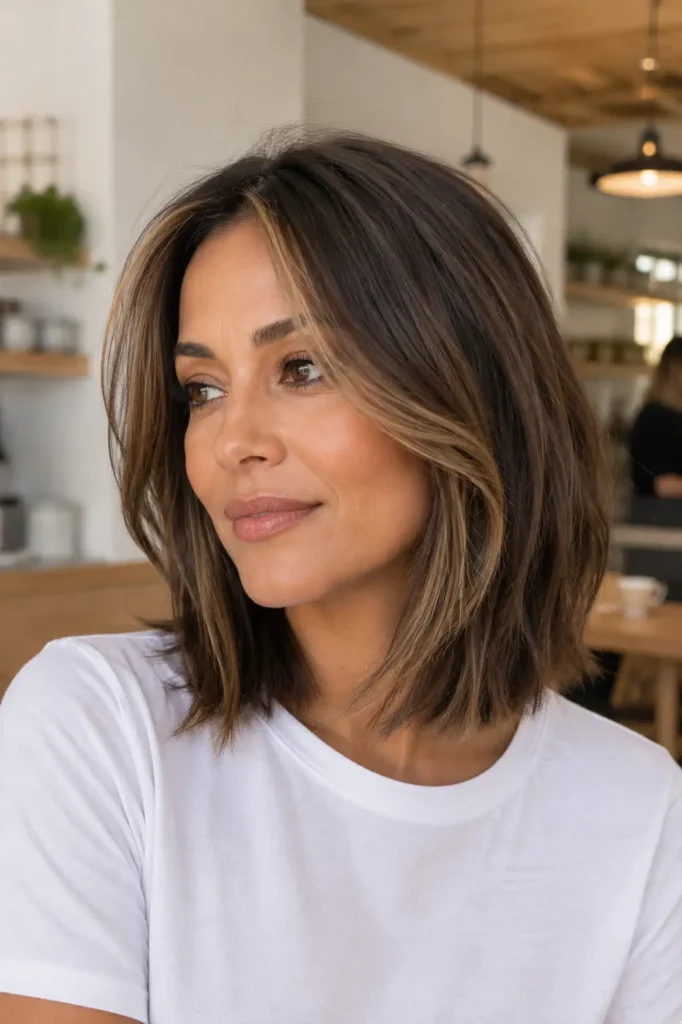
Fine hair that is center-parted typically lies flat on both sides with equal flatness. Moving the part to one side forces the root to lift against its natural direction on the heavier side, which creates automatic volume. Pair a side part with a choppy bob by directing the blow dryer nozzle under the heavy side while drying and holding the hair up with a round brush. The volume created at the root by this approach lasts most of the day without needing a volumizing powder refresh.
18. Choppy Bob for Women Over 50 with Fine Hair
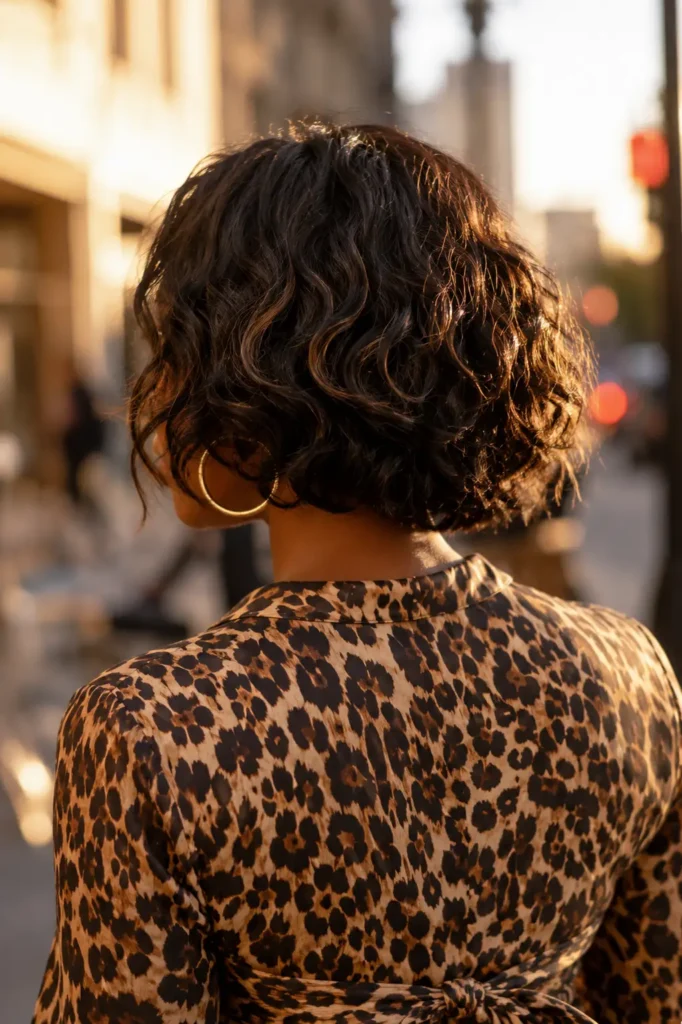
Fine hair often becomes finer after menopause because of changes in the hair growth cycle and reduced follicle diameter. A choppy bob at this stage of life makes a significant difference because it removes the weight that is dragging thinning hair flat and replaces it with intentional texture. The cut also works well with grey and silver tones, which are often more coarse in texture than the original hair color and can actually hold a choppy style better than very fine brown or blonde strands.
19. Undercut Choppy Bob for Maximum Volume

An undercut involves cutting the very lowest layer of hair at the nape shorter and closer to the head than the layers above it. This removes weight from the heaviest part of the hair and allows the layers above to sit on top of this shorter base, creating lift rather than dragging. For fine hair, even a minimal undercut of half an inch at the nape can noticeably change how much volume the bob holds throughout the day.
20. Choppy Bob with Fringe
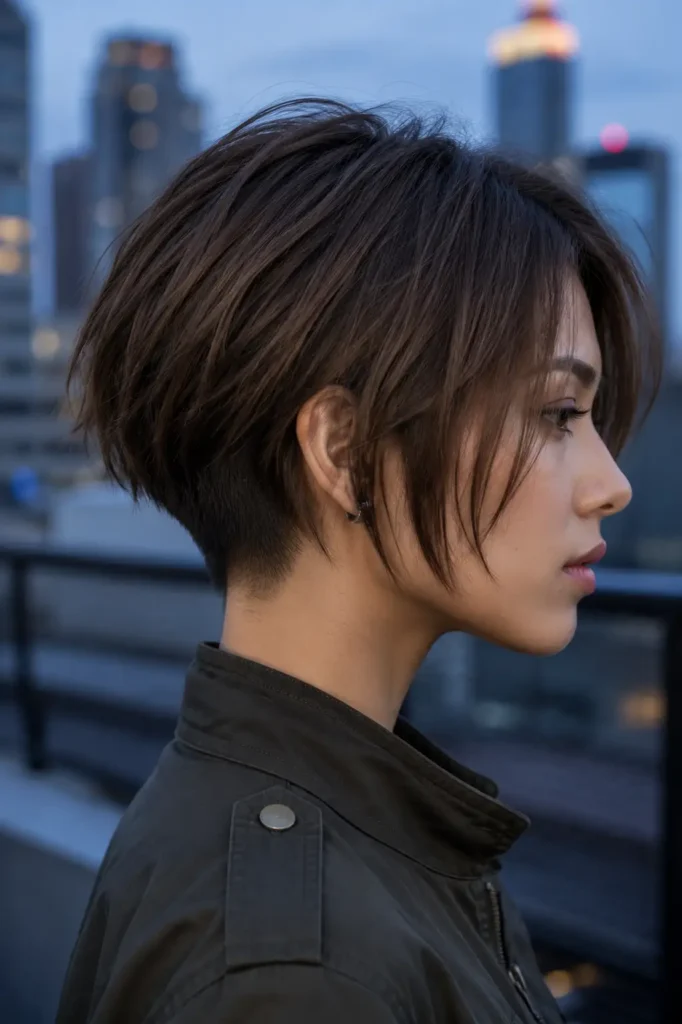
A full fringe paired with a choppy bob shortens the visual length of the face and adds a horizontal line that makes the face appear wider. For women with long or narrow face shapes who find that fine hair makes the face look even longer by lying flat on either side, this combination is effective. The fringe should be cut with the same choppy technique as the bob ends so the texture reads as consistent rather than two separate styles stuck together.
21. Grown-Out Choppy Bob at Shoulder Length
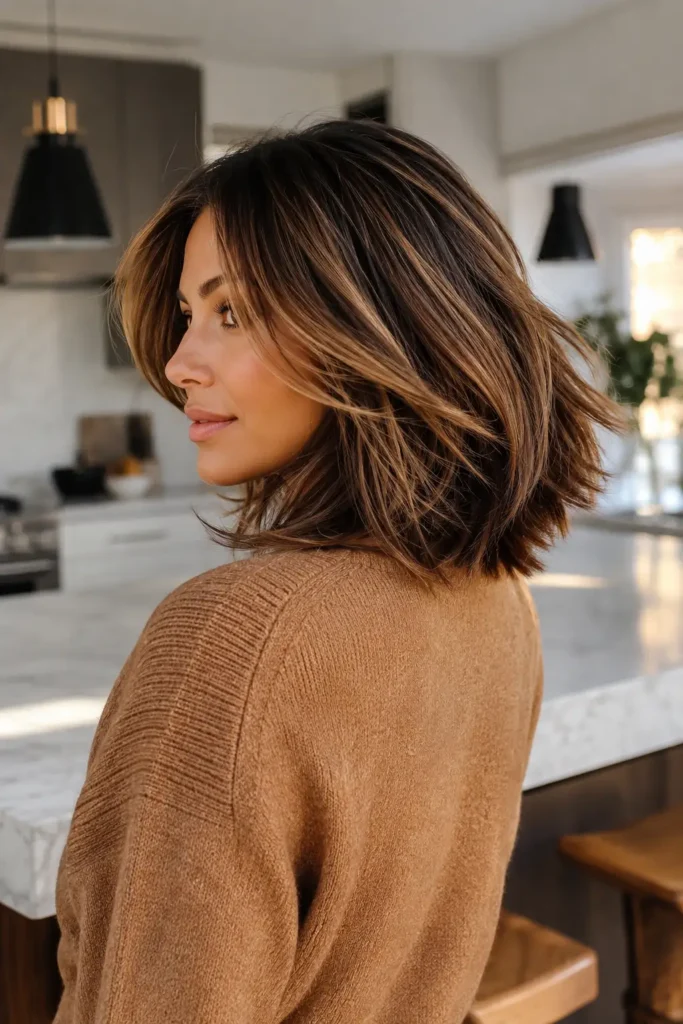
As a choppy bob grows out, it passes through the shoulder-length phase, and this is where many fine-haired women abandon the style because the hair starts to look limp again. The solution is to get a texture refresh rather than a full restyle. Ask your stylist to point-cut the ends and add a light layer through the mid-lengths without removing significant length. This revives the choppy character and buys another six to eight weeks of good texture without a full commitment to going shorter again.
How to Ask for a Choppy Bob at the Salon
Bring a few reference photos and ask for point-cut or razor-cut ends instead of a blunt bob. If your hair is very fine, request light texturing with minimal interior layers to maintain fullness. For extra volume, ask if subtle graduation at the back would suit your hair type.
How to Style a Choppy Bob for Fine Hair
Start with a lightweight volumizing mousse on damp hair, then blow-dry while lifting the roots with a round brush. Finish with a texturizing spray or dry shampoo to enhance piece-y definition and long-lasting volume without weighing hair down.
Best Products for Fine Hair
Choose lightweight products that boost body instead of adding weight. A volumizing mousse, dry shampoo, texturizing spray, and a small amount of serum on the ends will help keep your choppy bob soft, full, and defined.
Best Choppy Bob for Your Face Shape
A choppy bob suits most face shapes with small adjustments. Round faces look best with longer front pieces, square faces benefit from soft texture, oval faces can wear almost any variation, and long faces pair well with chin-length bobs or curtain bangs.
Mistakes to Avoid
Avoid heavy styling products, skipping regular trims, over-brushing dry hair, and choosing a bob that’s too long. These habits can make fine hair appear flatter and reduce the textured look that makes a choppy bob so flattering.
Why the Choppy Bob Is Trending
The choppy bob for fine hair remains one of the most popular hairstyles because it creates effortless volume, movement, and texture. Pairing it with dimensional color or subtle highlights enhances depth, making fine hair appear even thicker.
Frequently Asked Questions
Is a choppy bob good for fine hair?
Yes. It adds texture, movement, and the illusion of fuller, thicker hair.
How often should I trim it?
Every 6–8 weeks to keep the shape fresh and the textured ends defined.
What is the best length for fine hair?
A chin-to-collarbone length offers the best balance of volume, movement, and easy styling.
Can I style a choppy bob without heat?
Yes. Air-dry with a volumizing mousse and finish with a texturising spray for a natural, tousled look.
Does a choppy bob make fine hair look thicker?
Yes. Textured ends and soft layers create the illusion of more density and natural body.

Sarah Williams
Hi, I’m Sarah Williams — the founder of HerStyleNest, where beauty meets modern style. I share trendy hairstyles, chic nail designs, and fashion inspiration for women who love staying stylish every season. From everyday elegance to viral beauty trends, HerStyleNest is your go-to destination for effortless fashion and beauty ideas.