
21 Pixie Bob Haircut Ideas That’ll Make You Book a Salon Appointment Today
The first time I went in for a pixie bob, I sat in the stylist’s chair gripping my phone like it was evidence at a crime scene — loaded with conflicting screenshots, saved Instagram posts, and absolutely zero confidence. I walked out obsessed. That cut changed how I approached my entire morning routine, and it just might do the same for you.
The pixie bob sits right in that sweet spot between the boldness of a pixie cut and the softness of a classic bob. It’s the kind of haircut that looks expensive, reads as intentional, and somehow manages to be both low-effort and endlessly stylish — depending on how you decide to work it each morning.
This article breaks down 21 genuinely different pixie bob haircut ideas, covering everything from face shapes and hair textures to the products actually worth buying and the stylist conversations worth having before scissors touch your hair.
What Exactly Is a Pixie Bob?
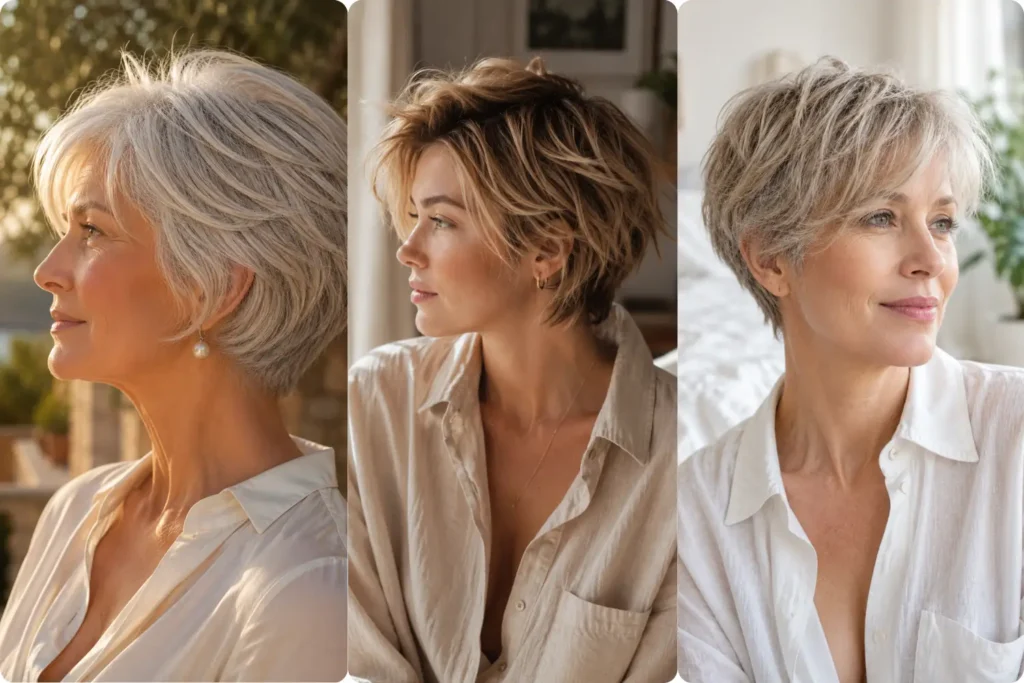
A pixie bob is a hybrid cut — longer than a traditional pixie, shorter than a full chin-length bob, usually falling somewhere between the ear and the jaw. It keeps some length on top or at the front while the sides and back are cropped much closer, often with texture or layers added for movement and personality.
What makes it so wildly appealing is how enormous the variation is within that one framework. You can wear it sleek and sophisticated for a boardroom, or rough it up with a texturizing spray for a more street-ready, effortless look. Stylists genuinely love working with this structure because there’s so much creative room within it.
1. The Classic Cropped
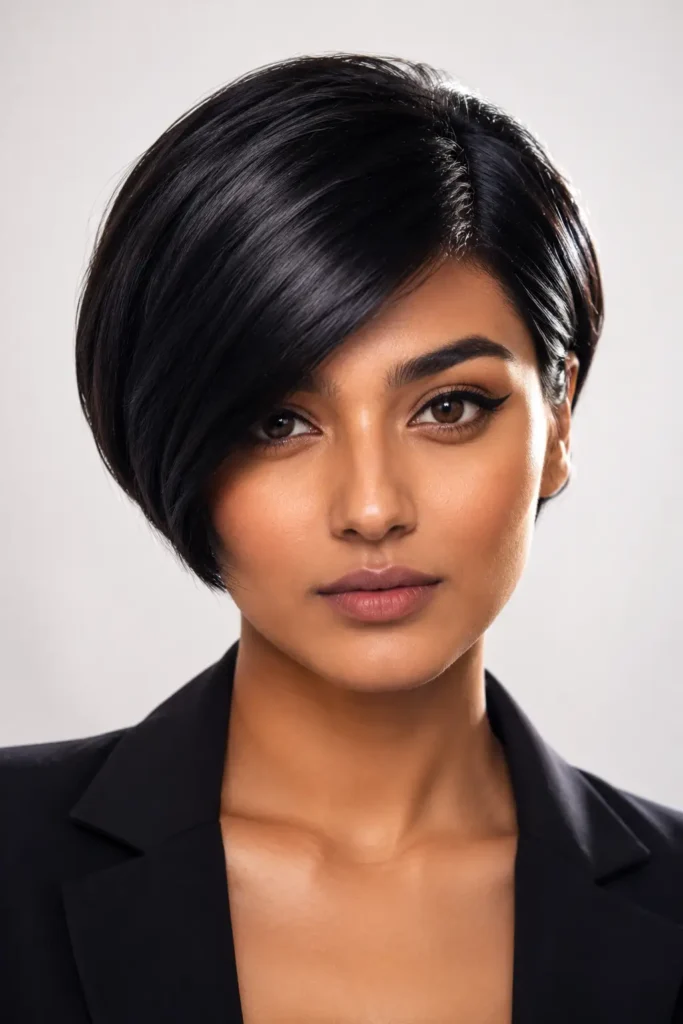
This is the cleanest version of the cut — shorter at the nape and sides, with slightly more length swept forward or to one side at the front. It’s sharp and polished, ideal for fine hair because removing excess weight adds the illusion of density. Works especially well on oval and heart-shaped faces and never looks dated.
2. Textured Messy
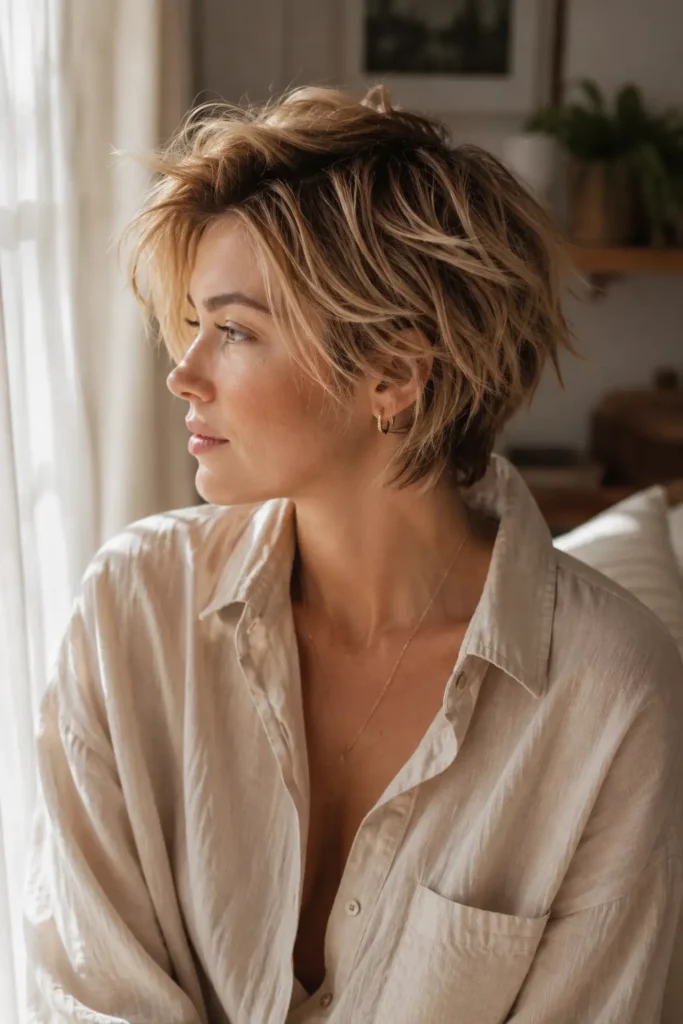
Ask your stylist for point-cut ends and a longer, choppy top section. You’re aiming for that deliberately undone look — like you’ve just rolled out of bed, but in the best possible way. A small amount of matte pomade or texture paste worked through completely dry hair is all you need to bring this look to life.
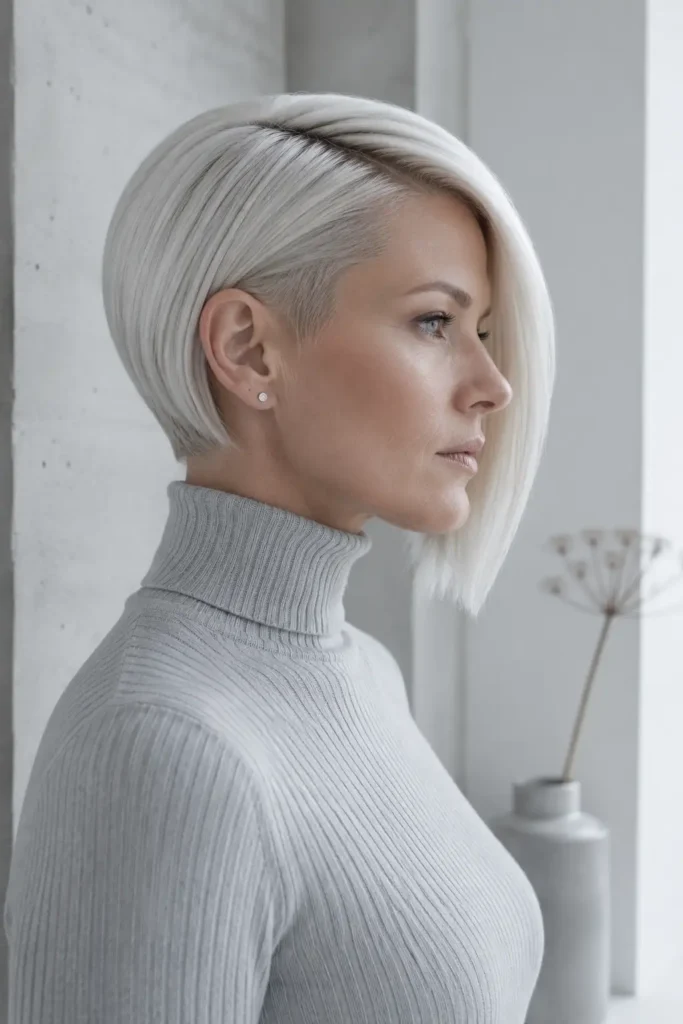
3. Asymmetrical Pixie Bob
One side longer than the other — simple in concept, surprisingly impactful in practice. The asymmetry draws the eye directly to your face and adds serious visual interest without needing any colour or complex styling techniques. This is one of the pixie bob haircut ideas that works particularly well on straight, fine-to-medium hair textures and photographs beautifully.
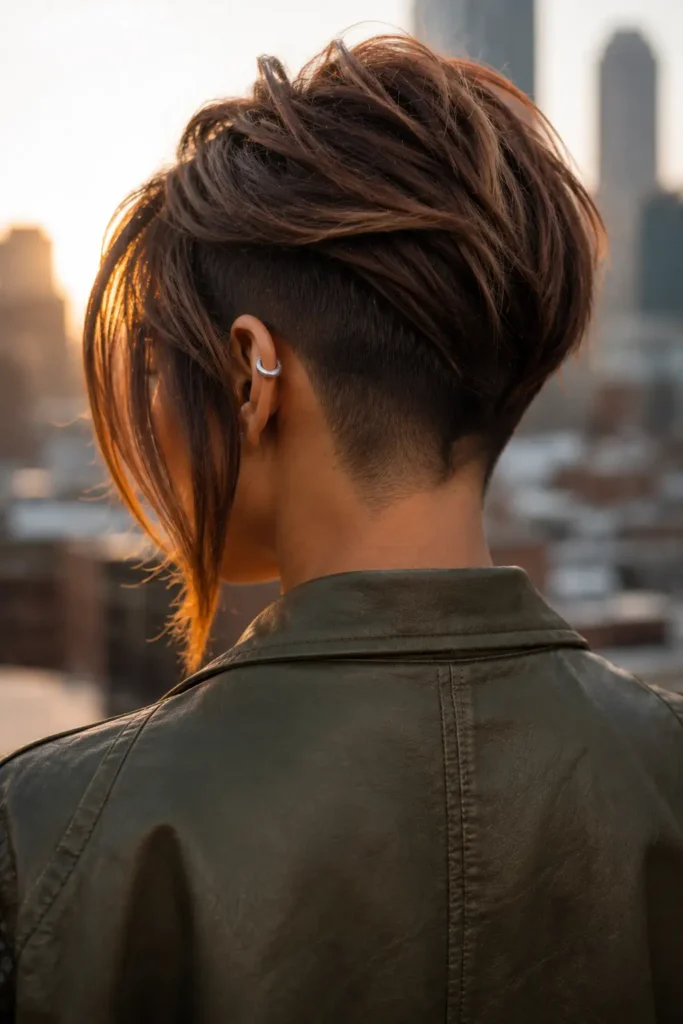
4. Undercut Pixie Bob
The undercut adds a technical edge to the whole style — shaved or closely tapered underneath, with noticeably more dramatic length kept on top. It’s bolder than it sounds on paper, but the under layer is easily hidden when hair is worn down. Great for anyone who wants a versatile cut that conceals its own edginess for professional settings.
5. Layered with Side Bangs
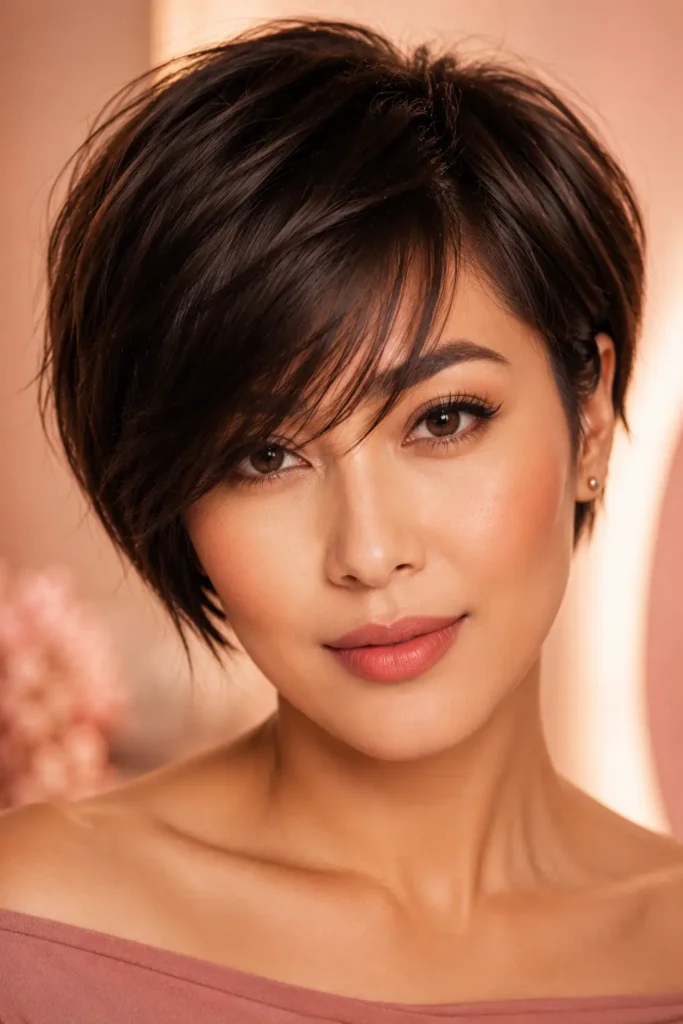
Layers and side-swept fringe are an absolute dream team for adding softness to sharper facial features. The fringe grazes the eyebrow or sweeps gently across the forehead, while interior layers give the whole cut movement and prevent that heavy, one-length blob effect. This is particularly flattering on square and round face shapes where softness is a priority.
6. Blonde Pixie Bob with Highlights
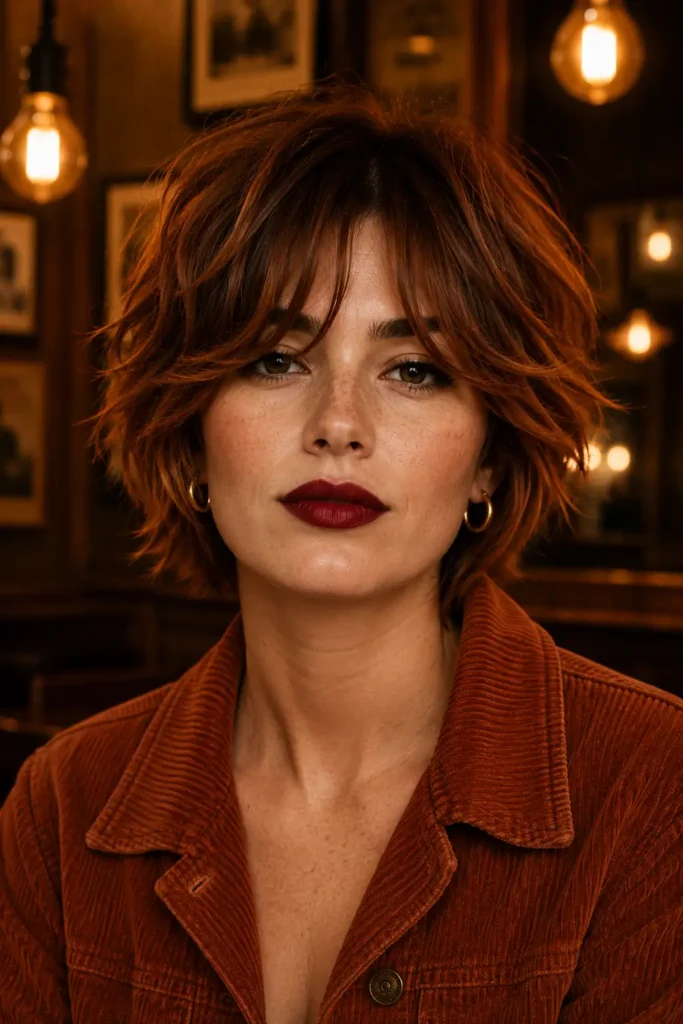
Dimension through colour completely transforms how a pixie bob reads on the eye. Warm blonde highlights on a honey or ash-blonde base add depth and movement, making the cut look dynamic even on days you haven’t done much with it at all. A few face-framing lighter pieces near the front amplify the whole effect beautifully.
7. The Shaggy
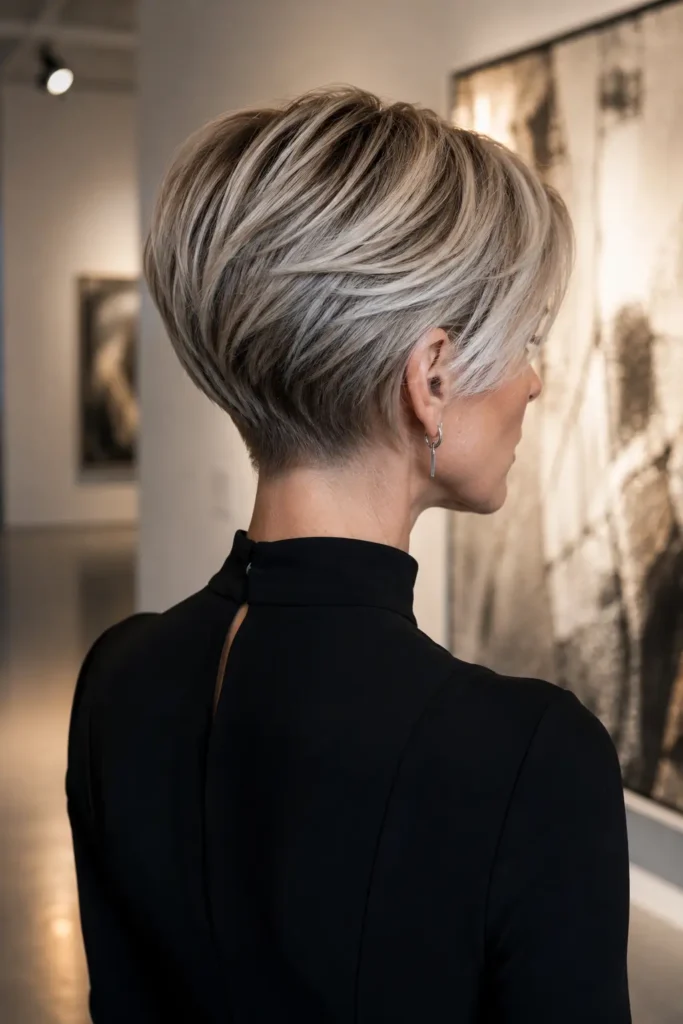
Heavily layered and deliberately rough around the edges, the shaggy pixie bob pulls inspiration from 70s British rock and drops it into a completely modern context. Longer curtain fringe, choppy disconnected layers through the sides, and a soft graduation at the nape make this one of the most characterful pixie bob haircut ideas you can bring into a salon right now.
8. Sleek and Polished
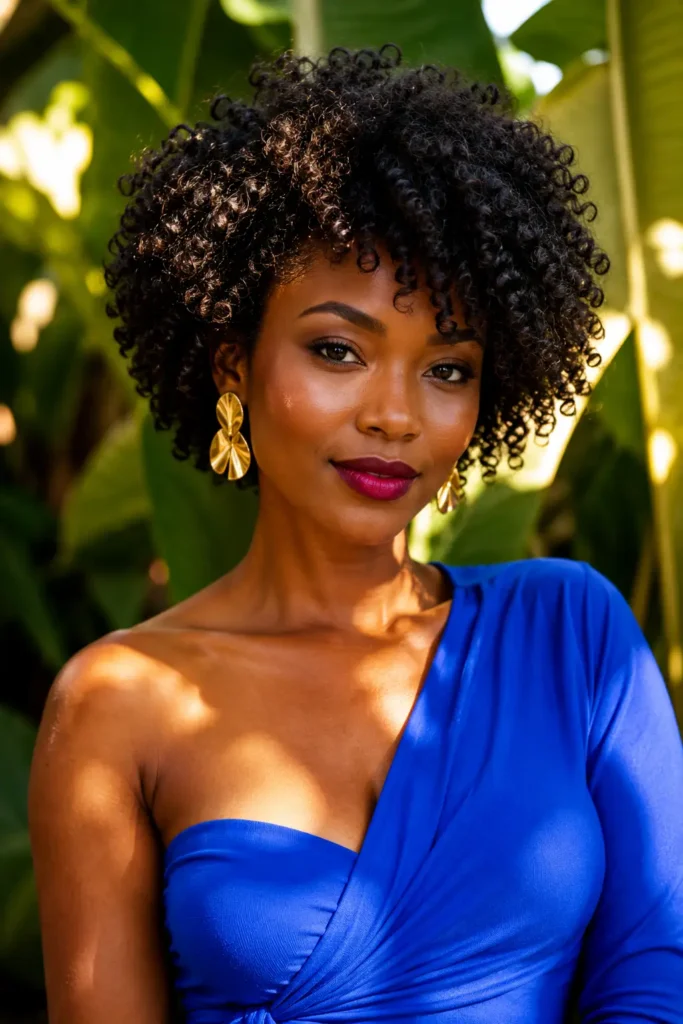
Not every version of this cut needs to be textured or messy. A smooth, blow-dried pixie bob with a high-gloss finish reads extremely professional and sophisticated. Use a flat iron through the top section and finish with a light hold serum to keep flyaways controlled. This version is perfect for formal occasions, job interviews, or a sharp office aesthetic.
9. Curly Pixie Bob
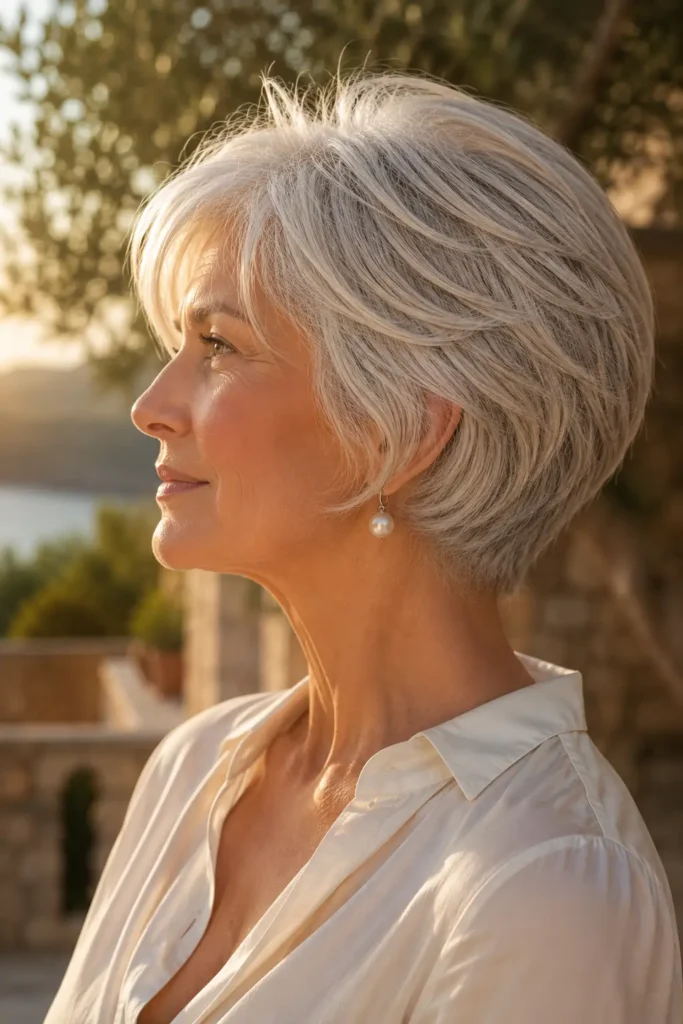
Naturally curly or coily hair in a pixie bob can look spectacular — but the cut has to be genuinely adapted for your curl pattern. Always ask for a dry cut so your stylist can see exactly where each curl falls after shrinkage. Avoid heavy layering on coily textures as it can create unpredictable volume and frizz at the crown that becomes very difficult to manage.
10. Edgy Disconnected
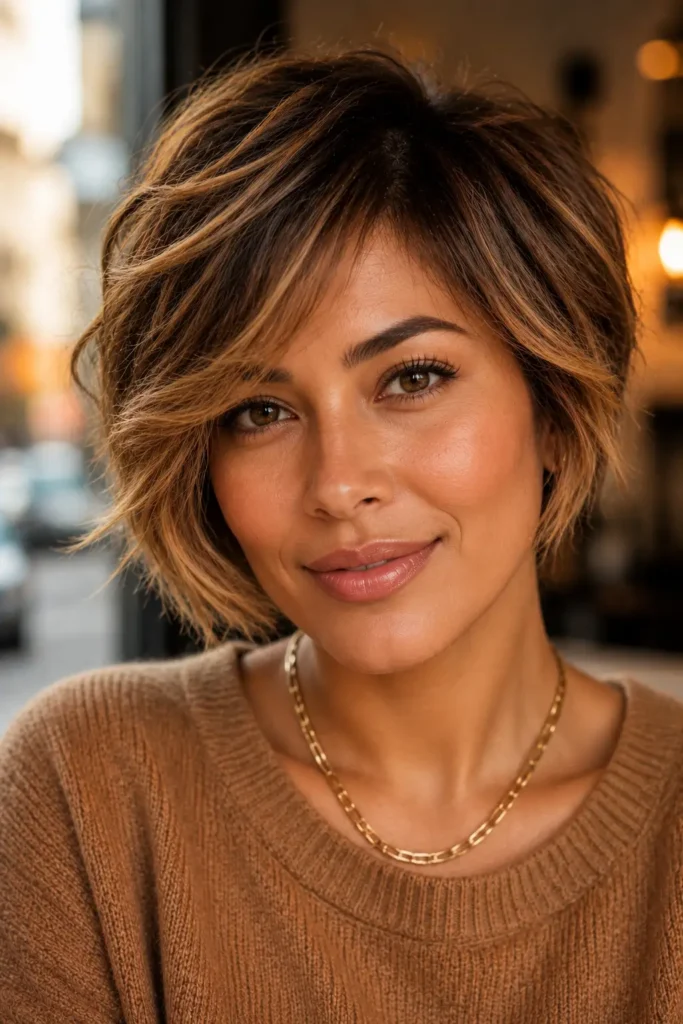
Disconnected cuts feature a sharp, deliberate contrast between sections rather than a blended graduation. The sides are dramatically shorter, the top section is noticeably longer, and the transition between them is abrupt on purpose. It’s a strong, graphic look that works best on straight or wavy hair and photographs with extreme visual impact in editorial settings.
11. Soft Wispy
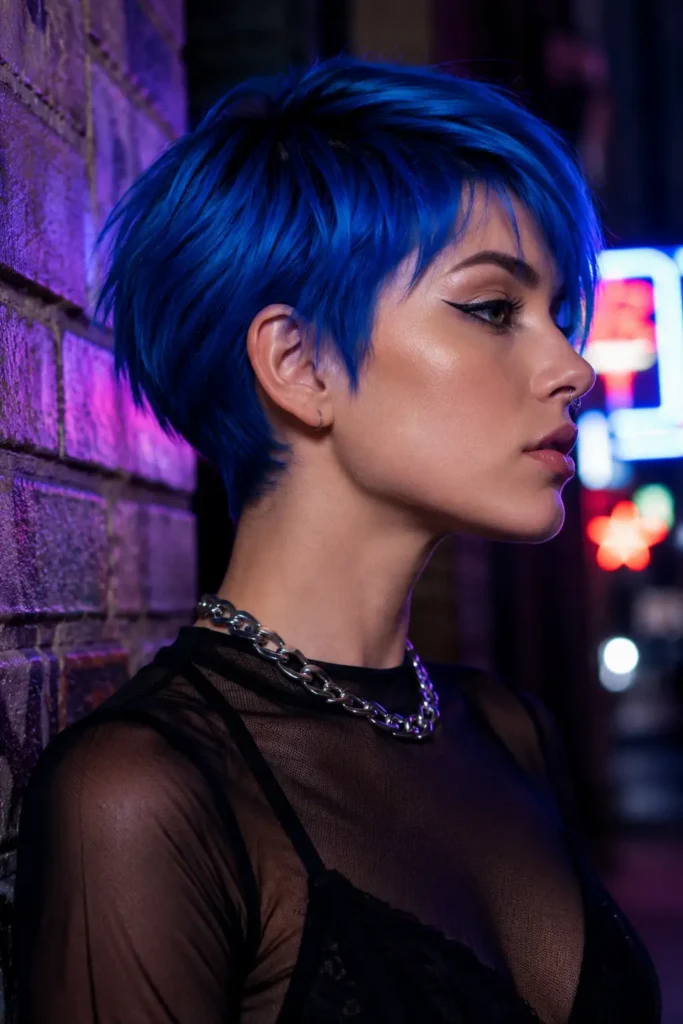
This is the romantic version of the cut — piece-y, feathery ends, a longer top section that falls forward naturally, and very little structural rigidity holding it in place. It’s gentle and undeniably feminine without feeling overly styled or contrived. Fine-haired readers often find this among the most flattering of all pixie bob haircut ideas for their texture because it works with lightness rather than against it.
12. The Graduated Pixie Bob
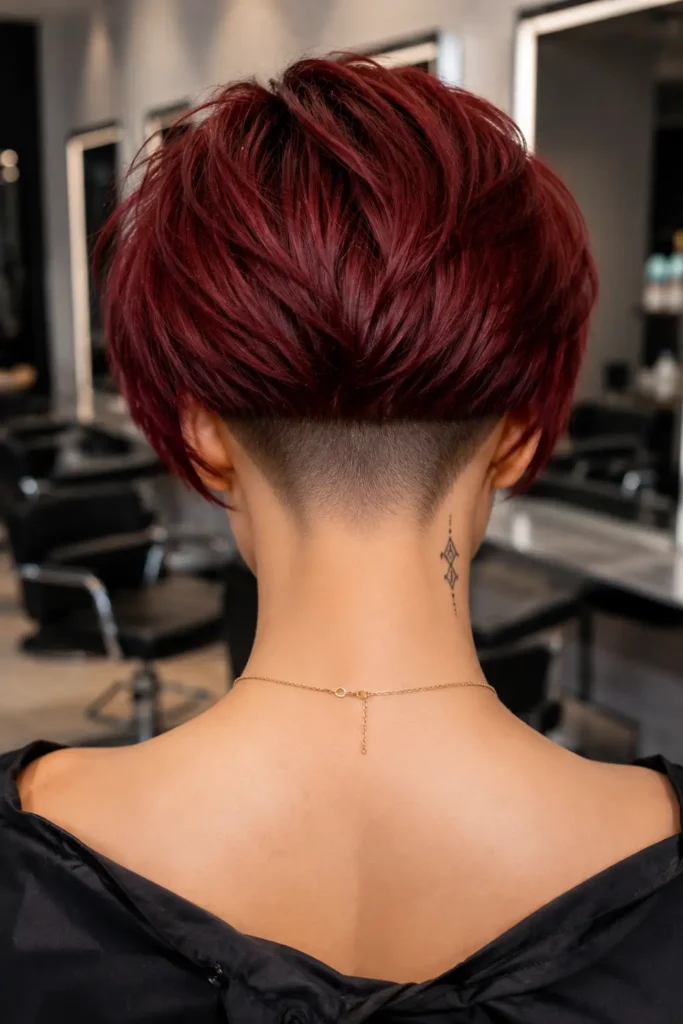
A graduated bob cut short at the nape, stacked to create fullness, then sweeping longer toward the cheekbone or chin. At pixie bob length, this graduation becomes even more dramatic and pronounced. The stacked nape adds beautiful natural volume and movement on its own, especially on straight hair where vertical lift is otherwise difficult to achieve without product.
13. Pixie Bob with Undercut Nape
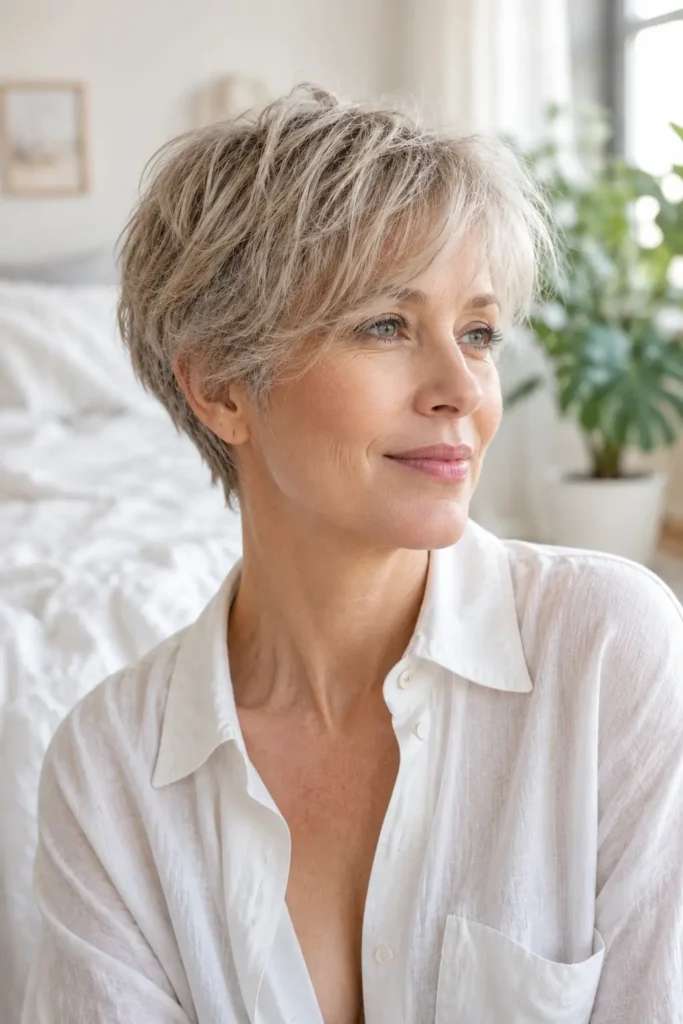
A small, discreet undercut at the nape — sometimes called a “nape shave” — adds a completely unexpected detail to an otherwise conventional pixie bob silhouette. It’s mostly hidden when hair is worn down naturally, but becomes visible when you pull the hair forward. A lovely personal touch for anyone who wears their hair up frequently for work or the gym.
14. Dark Bob with Pixie Layers
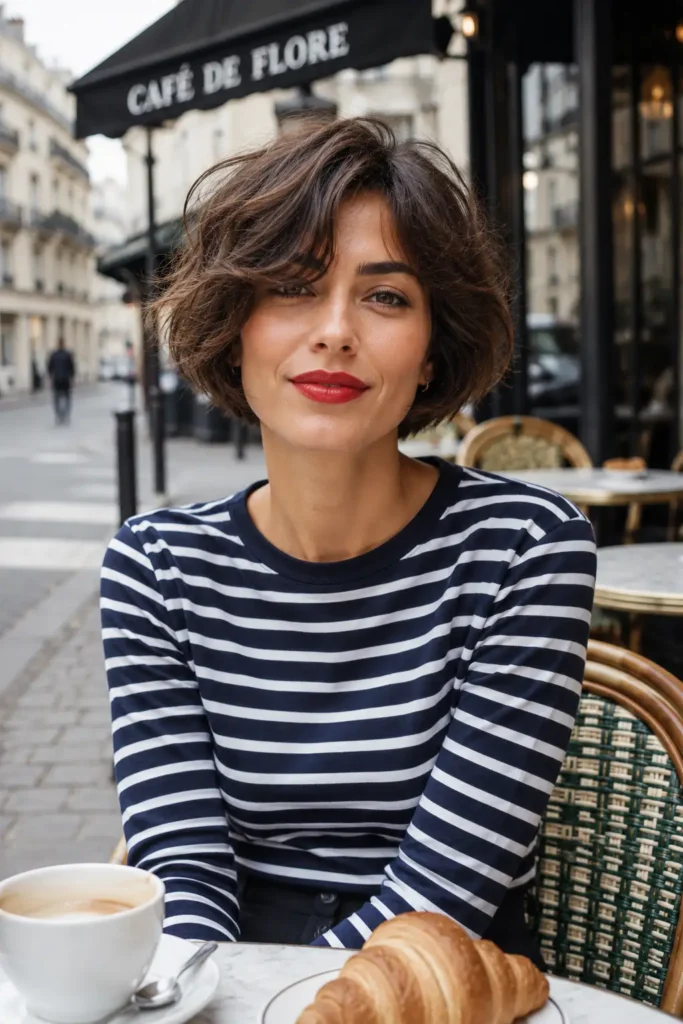
Rich, deep brunette or jet-black shades make layers pop visually in ways that lighter colours don’t always achieve with the same punch. The contrast between shorter sections and longer pieces becomes dramatically more visible when the base shade is deep. Espresso browns and cool blacks are particularly striking on this structure against warm skin tones in natural lighting.
15. Balayage Pixie Bob
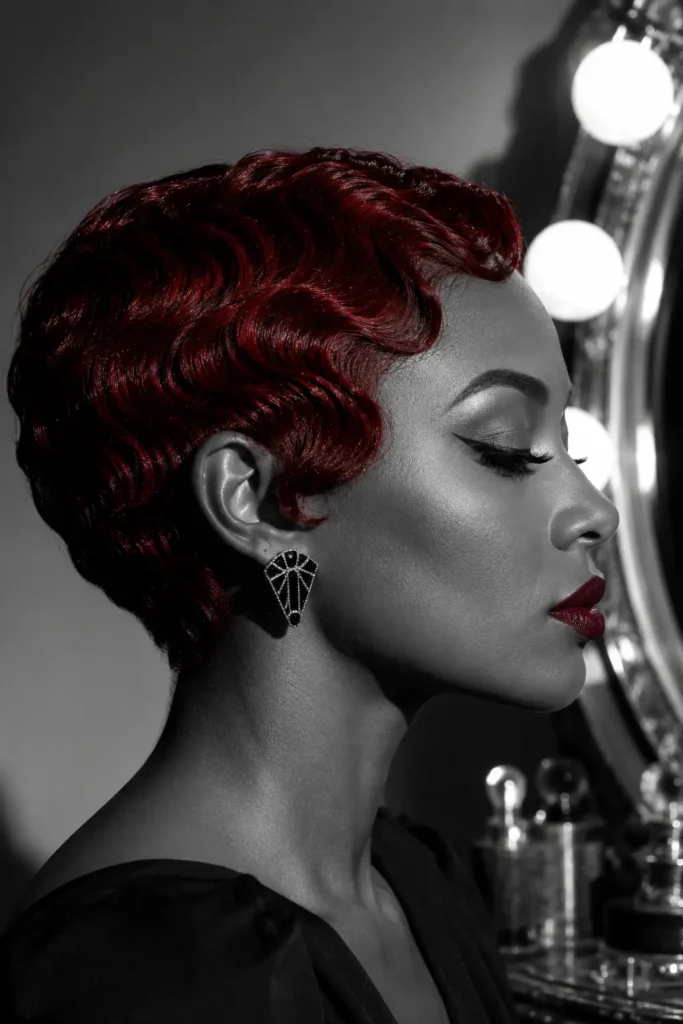
Balayage on a pixie bob is something skilled colourists genuinely love doing because the small canvas means the colour placement hits with maximum visual impact. Lighter ends blending into a darker root looks stunning on this particular cut shape. The movement in the colour also creates an optical illusion of more length and dimension than the cut actually has.
16. The French Girl Pixie Bob

Slightly longer than a standard pixie bob — reaching just past the jaw — this version has that effortlessly unkempt energy that the French aesthetic has always been known for. Minimal product, natural texture, a subtle bend at the ends, and absolutely zero perfection anywhere. It’s casual cool distilled into a haircut, and it works on virtually every hair type.
17. Bold Coloured
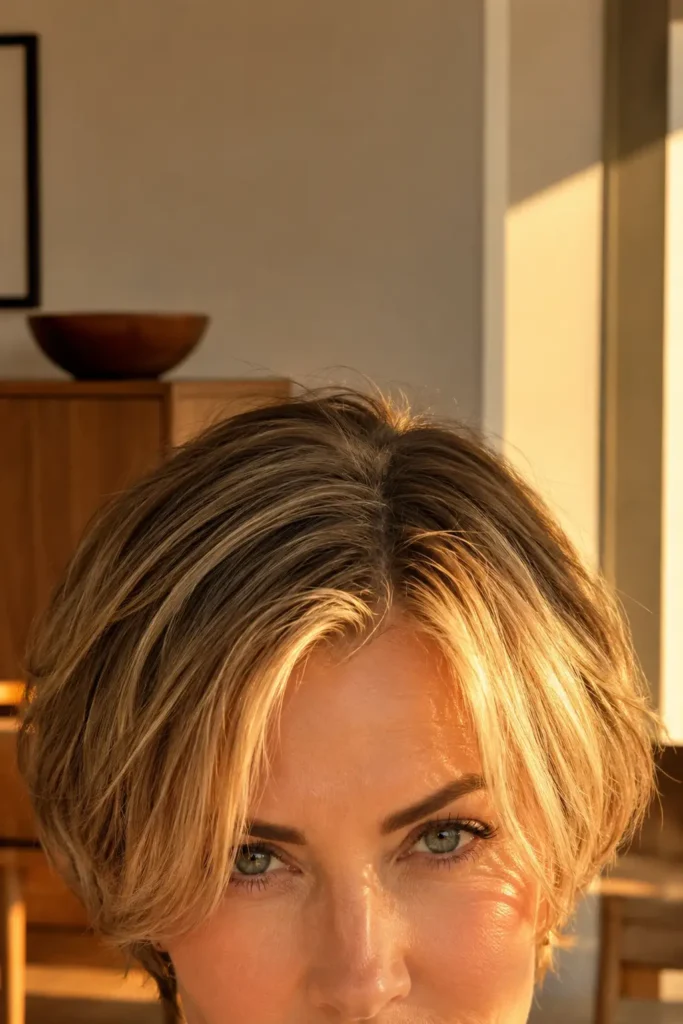
Vivid fashion colours — cobalt blue, pastel lavender, copper orange, cherry red — make an enormous statement on a pixie bob because the shape already draws strong attention to the face. The cut essentially becomes jewellery. If you’ve been considering a fashion colour at all, the pixie bob is genuinely one of the best possible structures to carry it with maximum impact.
18. The Vintage Wave
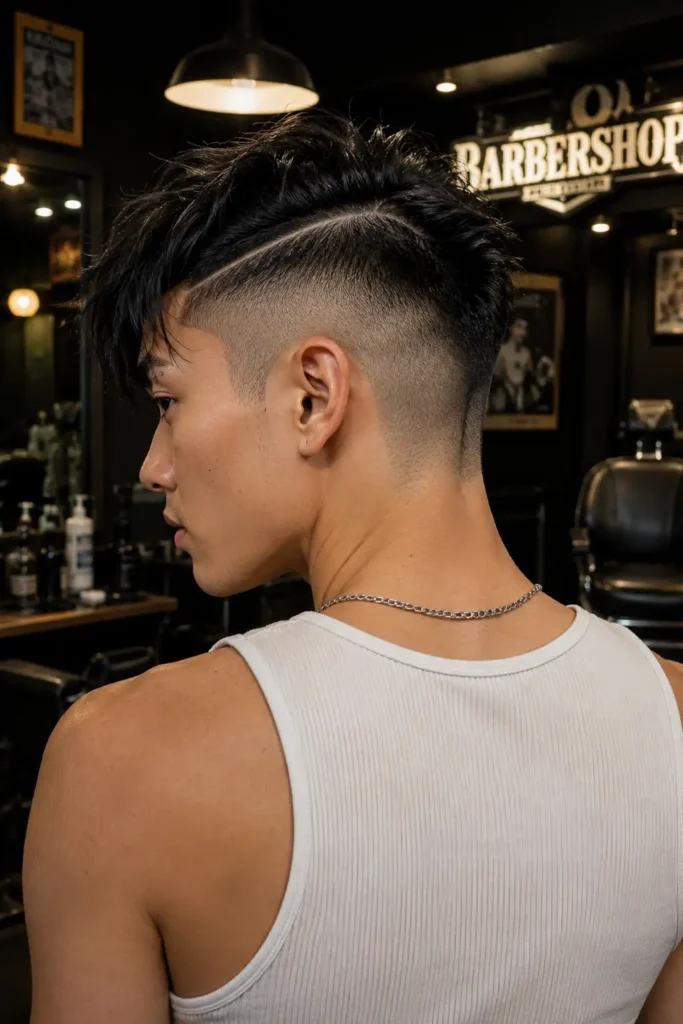
Set with small rollers or a tight-barrel curling iron, this pixie bob takes on a 1920s-to-1940s inspired silhouette that feels simultaneously retro and completely current. The wave patterns are soft and deliberate, the finish is high-gloss, and the whole look reads as intentionally glamorous. Pair it with a bold lip and structured clothing for the full editorial effect.
19. Pixie Bob for Natural Curls
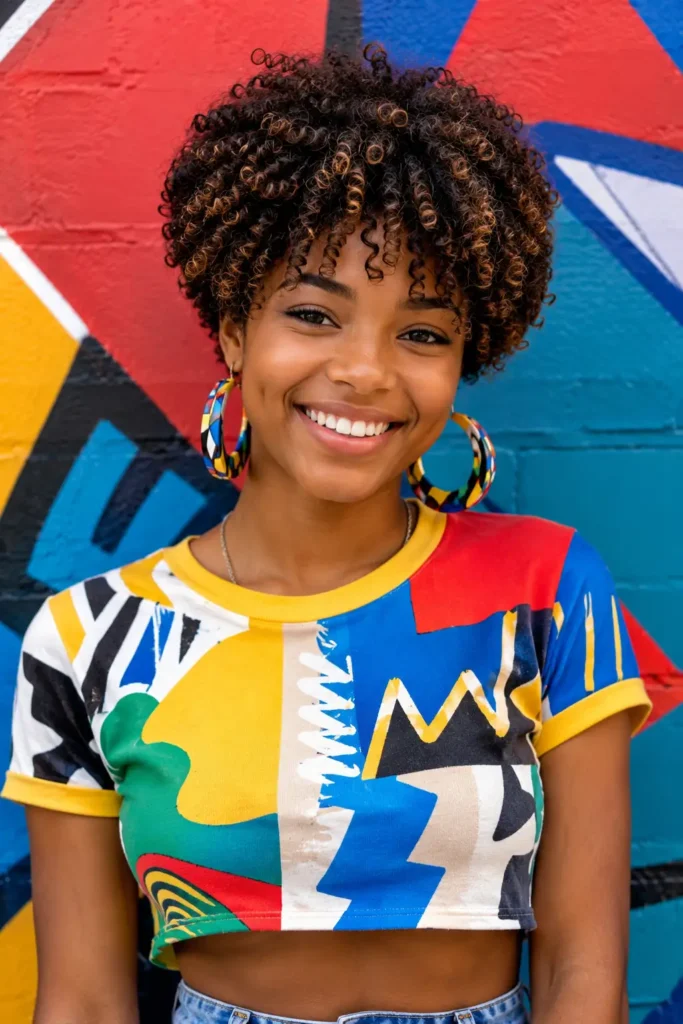
For type 3 or type 4 curl patterns, the pixie bob can become a stunning, effortless wash-and-go style. Prioritise moisture, avoid excess manipulation during styling, and always use a diffuser on low heat to define curl clusters without creating frizz. Steer clear of thinning shears on tight curl patterns — they cause unpredictable volume distribution that’s extremely difficult to correct at home.
20. The Flipped-Out
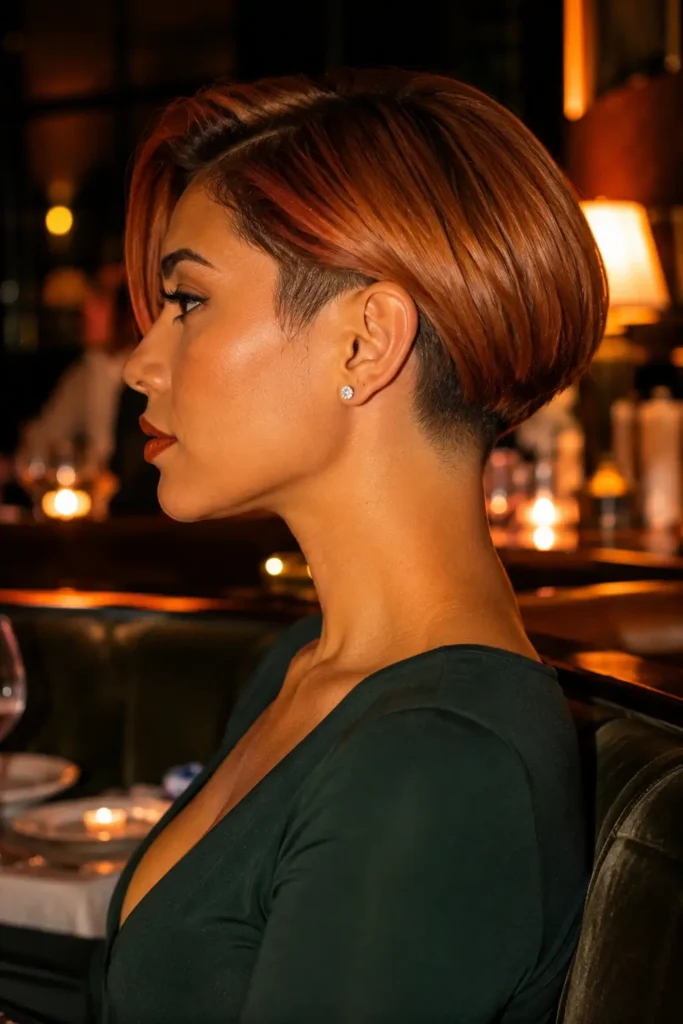
The ends flip outward rather than turning under — it’s a small technical difference that creates a completely different energy and attitude. Use a round brush on the ends while blowdrying, or curl them outward with a small-barrel iron after drying. The result is playful, slightly retro-leaning, and undeniably fun — it’s especially relevant for spring and summer styling.
21. Silver Fox Pixie Bob
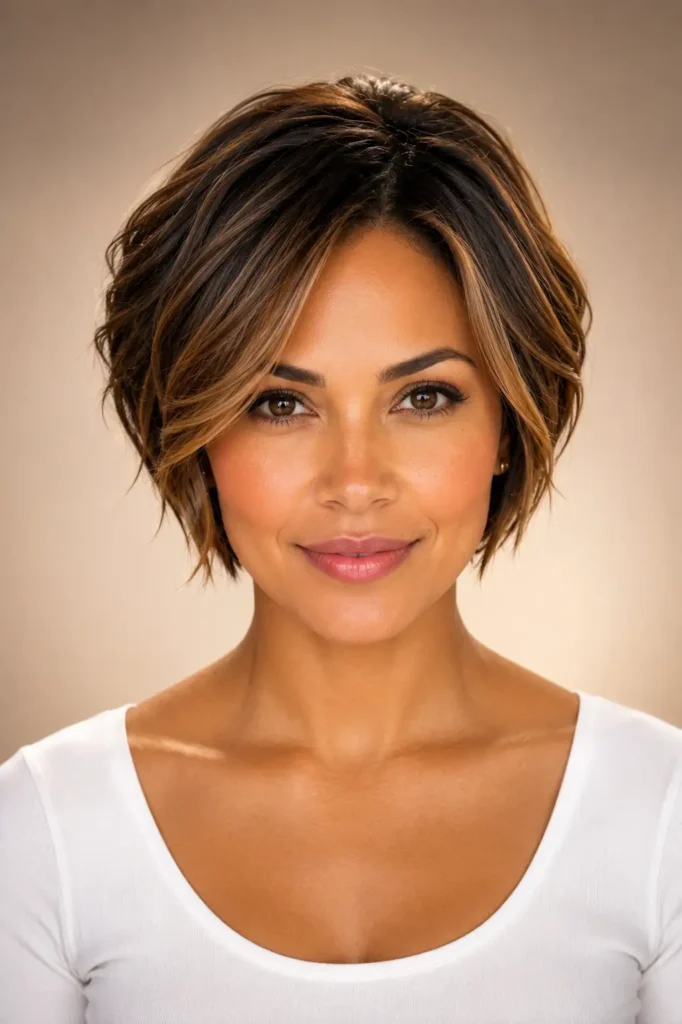
Grey and silver hair in a pixie bob is having an enormous cultural moment, and completely deservedly — the combination looks undeniably sophisticated and intentional on anyone. Whether naturally silver or colour-achieved, this works beautifully on women of any age group. A purple-toning shampoo used once or twice weekly keeps the silver bright and prevents unwanted warm or yellow tones from creeping in.
Pixie Bob Ideas by Face Shape
Round Face
Go for length and height rather than width. A pixie bob that keeps more length at the front with volume built at the crown creates the illusion of a longer, more oval-shaped face. Avoid cuts that add horizontal width at the sides or lie too flat on top. Asymmetry is a genuine asset here — diagonal lines naturally slim and elongate the overall silhouette.
Square Face
The goal is to soften the jawline rather than compete with it. Texture, wispy ends, and side-swept elements all work beautifully on square face shapes. A choppy layered front section and slightly longer pieces framing the face help balance strong angular bone structure. Avoid very blunt, geometric cuts that simply mirror the jaw’s natural angularity and make it appear more pronounced.
Oval Face
Almost every single pixie bob haircut idea on this list will suit an oval face — it’s considered the most universally versatile shape for short cuts. You can experiment freely with asymmetry, undercuts, bold fringe, or any length variation without worrying too much about whether it throws off your proportions. Consider this your full permission to go bold.
Heart-Shaped Face
A wider forehead paired with a narrower chin means the goal is to add visual fullness lower down rather than at the top. A pixie bob that sits slightly longer at the jaw and incorporates side-swept fringe to soften and break up a wide forehead works extremely well here. Avoid significant volume at the crown — it amplifies an already top-heavy natural silhouette.
Hair Type Considerations Before You Cut
Fine hair benefits enormously from a pixie bob because removing excess length and weight makes fine strands appear denser and fuller than they do at longer lengths. Thick hair may need some internal thinning to prevent a pyramid-like shape from forming at the sides — this is a normal and common adjustment that doesn’t affect the exterior silhouette at all.
Wavy hair tends to thrive at this length with minimal effort. The natural movement and bend shows up beautifully in a cropped cut without requiring much product or heat styling to look intentional. Straight thick hair benefits most from a flat iron and smoothing serum for the polished versions, or texture paste for the messier, lived-in interpretations.
Coily and kinky textures should always be cut dry by a stylist who specialises specifically in textured hair. The shrinkage factor at pixie bob length is significant — cutting curly hair wet can result in a dramatically shorter end result than the client was expecting or shown in reference photos, which leads to completely understandable frustration and disappointment on all sides.
Common Mistakes People Make with Pixie Bobs
Waiting too long between trims. Short haircuts reveal growth much faster than long ones do. A pixie bob needs a trim every four to six weeks to maintain its intended shape — stretch it beyond that and the style loses its clean structure entirely and starts looking like an accidental grow-out rather than a deliberate cut.
Bringing reference photos that don’t match your actual texture. A sleek, silky pixie bob on a runway model will look completely different on wavy or coily hair — it will behave differently, sit differently, and require entirely different products and techniques. Always bring at least one reference photo that matches your natural hair texture, or have a transparent, specific conversation with your stylist about managing realistic expectations.
Over-applying product. It’s a very natural instinct to reach for more product on short hair, but heavy application weighs down fine or thin textures and makes the cut look limp and flat rather than voluminous and alive. Start with less than you think you need and add more gradually.
Skipping the root-lifting step on fine hair. A quick mist of root-lifting spray at the crown before blowdrying makes a genuinely noticeable difference in the volume and movement the cut produces. Without this one step, fine hair tends to fall completely flat within an hour of styling and lose its shape quickly.
Going too short on the first visit. If you’re cutting from long hair for the very first time, it’s tempting to go all the way immediately, but going slightly longer than your target on the first appointment gives you time to adjust to short hair before committing to the shortest version of the cut. You can always go shorter on a follow-up visit.
Frequently Asked Questions
How short is a pixie bob, exactly?
A pixie bob typically falls somewhere between the ear and the jaw. The back and sides are cropped shorter than the top, and the longest pieces usually sit just at or just below the ear. It’s noticeably longer than a traditional pixie cut but considerably shorter than a standard chin-length bob — sitting right in the middle of the two.
Will a pixie bob suit my face shape?
Almost every face shape can carry a pixie bob beautifully — the key is customising the specific version of the cut to flatter your proportions. Round faces benefit from added height at the crown and length at the front; square faces need softened, textured ends; heart-shaped faces look great with side-swept fringe. Your stylist can adapt any reference image to work for you specifically.
How often do I need to get a pixie bob trimmed?
Every four to six weeks is the general recommendation for maintaining a clean pixie bob shape. Unlike longer cuts where several weeks of growth is barely noticeable, short cuts lose their structure relatively quickly. Regular trims keep the silhouette looking intentional and sharp rather than like it’s accidentally growing out in all directions.
Can I get a pixie bob with naturally curly hair?
Absolutely — but it requires a stylist who genuinely understands textured cutting techniques. Always request a dry cut so your curl shrinkage is fully accounted for in the final length. Tight coils can shrink by 50% or more when dry, so cutting curly hair wet can leave significantly less length than the client expected or was shown in reference photos.
What products work best for styling a pixie bob?
It depends entirely on your texture. For fine straight hair, a texturizing spray or light clay pomade adds grip and volume without weight. For wavy hair, a salt spray or light curl cream encourages natural movement. For thick straight hair, a smoothing serum and flat iron give a clean finish. Always avoid heavy waxes on fine textures — they flatten rather than lift.
Is a pixie bob actually high-maintenance?
The salon visits are more frequent than with longer hair, but daily styling is often far less demanding. Many pixie bob wearers spend under ten minutes on their hair each morning. The maintenance commitment is really about keeping the cut’s shape fresh through regular trims rather than about daily styling complexity — many people find short hair genuinely liberating in that way.
Can I grow out a pixie bob without it looking terrible?
Yes, with some planning and strategic trims along the way. The most challenging phase is roughly three to five months in, when the sides and back start losing their defined shape. Keeping the sides clean with regular trims while allowing the top to grow, plus using accessories like headbands, bobby pins, and clips, makes the transition considerably more manageable and intentional-looking.
What’s the actual difference between a pixie cut and a pixie bob?
A traditional pixie cut is cropped very close to the head all over — very short sides, minimal length on top, very little surface area overall. A pixie bob keeps noticeably more length, especially at the front and top, and has a softer, more bob-adjacent silhouette at the front. Think of the pixie bob as the longer, more versatile sibling of the classic pixie cut.
The pixie bob isn’t a compromise between two competing styles — it’s a genuinely distinct cut with its own personality, its own learning curve, and its own loyal community of converts who wouldn’t go back to long hair if you paid them. Whether you’re drawn to the clean, polished version or the deliberately textured, messy one, there’s a variation in this list that fits your face shape, your hair texture, and your actual lifestyle. Book the appointment. Trust the cut.

Sarah Williams
Hi, I’m Sarah Williams — the founder of HerStyleNest, where beauty meets modern style. I share trendy hairstyles, chic nail designs, and fashion inspiration for women who love staying stylish every season. From everyday elegance to viral beauty trends, HerStyleNest is your go-to destination for effortless fashion and beauty ideas.