
21 Brown to Blonde Balayage Ideas That Actually Work on Real Hair
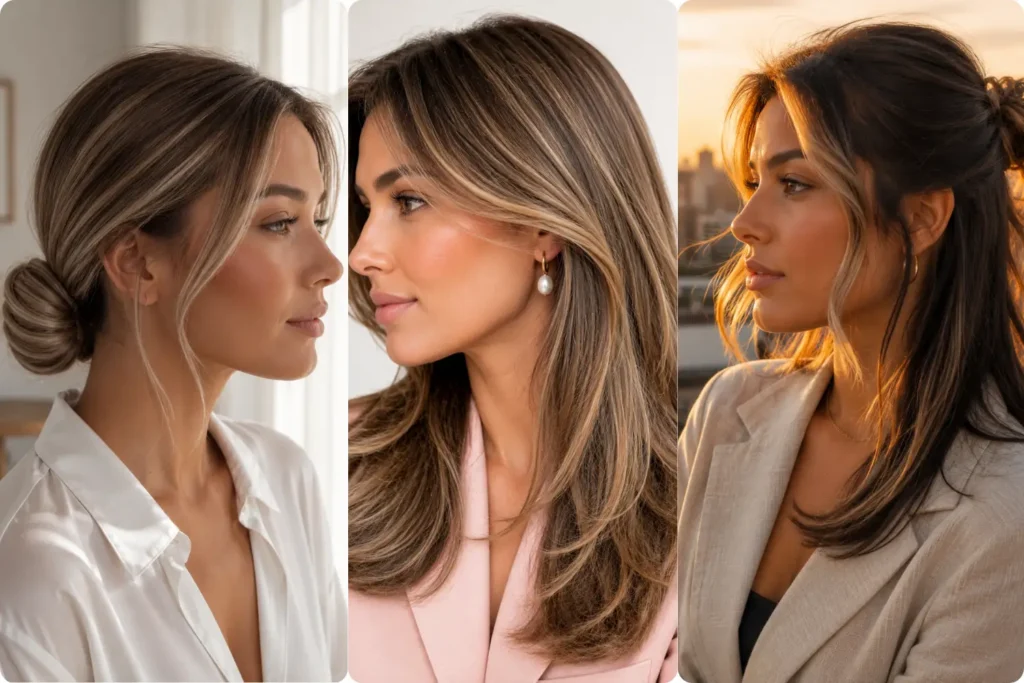
There’s a reason brown to blonde balayage shows up in practically every hair inspo folder on the internet. It photographs beautifully, looks natural in person, and grows out gracefully enough that you can go months without feeling like your hair is falling apart. Few other color techniques can say the same.
What most people don’t realise before their first balayage appointment is that “brown to blonde” covers an enormous range of results. There’s a version that’s barely noticeable from across the room and a version that stops people mid-sentence. Knowing which one you actually want before you sit down in the chair makes all the difference.
This article walks through 21 genuinely distinct ideas, from the most natural, barely-there blend to full dramatic transformation, with styling notes, maintenance advice, and honest information about what each look actually involves. No overselling, no vague promises.
What Makes Brown to Blonde Balayage Different from Regular Highlights
Most people who have sat through a foil highlight session know the telltale signs: a clear regrowth line at six weeks, evenly spaced streaks that look painted on, and a texture that sometimes feels stiff from heavy processing. Balayage solves most of those problems in a single appointment.
The technique involves hand-painting lightener directly onto the hair in a sweeping, feathered motion, concentrating the color toward the mid-lengths and ends. Because the bleach is applied freehand rather than foiled flat against the scalp, the result is a natural, gradient effect that no one can immediately identify as “done at a salon.”
For brunettes specifically, transitioning from brown to blonde through balayage creates that warm, sun-kissed hair effect that foil highlights struggle to replicate. The darker roots anchor the look and remove the pressure of perfectly timed regrowth appointments, which is one of the biggest reasons this balayage technique has become the default for low-maintenance color lovers.
1. Caramel Honey Balayage on Medium Brown Hair
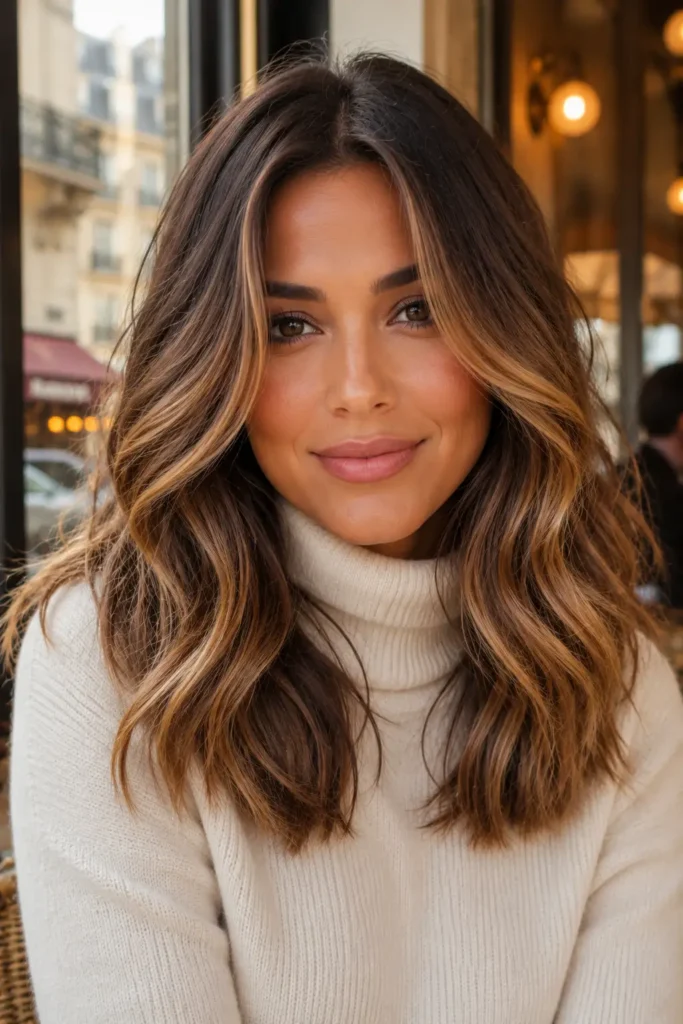
This is the most universally flattering version of brown-to-blonde balayage and genuinely the one I recommend most to first-timers. Warm caramel and honey blonde tones are hand-painted through medium brown hair, creating a rich, dimensional finish with movement and depth that single-process color simply cannot achieve.
The warmth in caramel tones flatters olive, medium, and warm complexions particularly well, though it works on most skin tones. Ask your colorist for a honey gloss toner after the lightening step to lock in that golden warmth rather than landing on a brassy orange finish. This look photographs beautifully in natural daylight.
2. Ash Blonde Balayage on Dark Brown Hair
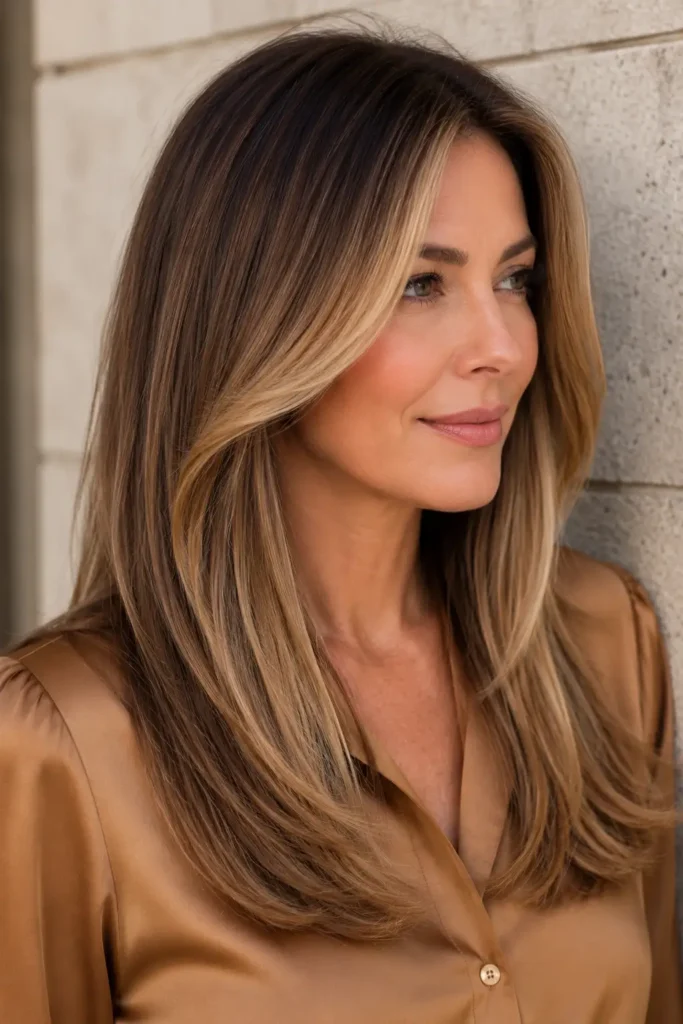
For people who prefer a cooler aesthetic or find warm tones wash them out, ash blonde balayage on dark brown hair is one of the most chic options on this list. The contrast between a cool, deep brown base and silvery ash blonde ends feels modern and editorial without looking overdone.
Getting this right requires a skilled colorist because dark brown hair lifts through orange before reaching the ash range. Your stylist will need to apply a violet-based toner after lightening to neutralize brassiness and land on that clean, cool result. The maintenance is slightly more involved, but the finished look justifies the extra step.
3. Beige Blonde Balayage for Cool-Toned Brunettes
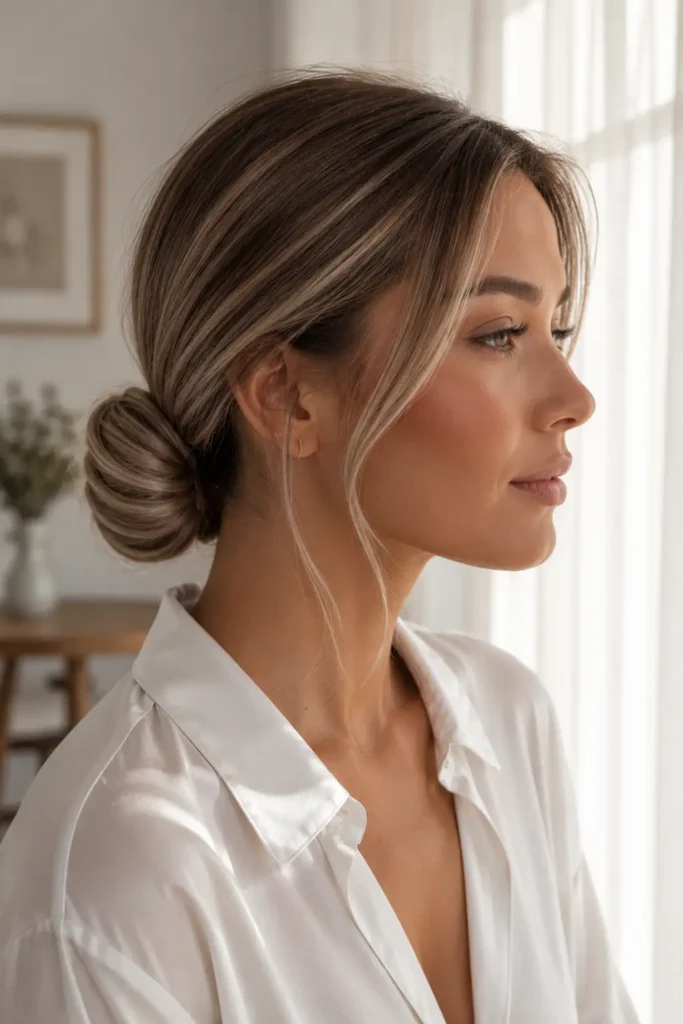
Beige blonde sits between warm and cool, making it the most versatile blonde transition for brunettes who don’t know exactly which direction to go. It has enough warmth to avoid looking flat and enough cool tone to prevent that orange undertone that plagues some balayage results. Think sandy beach hair rather than California gold.
This shade works especially well on naturally cool-toned brunettes with light eyes. The subtlety of beige blonde means the overall look reads as expensive and understated rather than high-maintenance. Pair it with curtain bangs and a collarbone-length cut, and you have something that transitions perfectly through every season.
4. Sun-Kissed Highlights Concentrated Around the Face
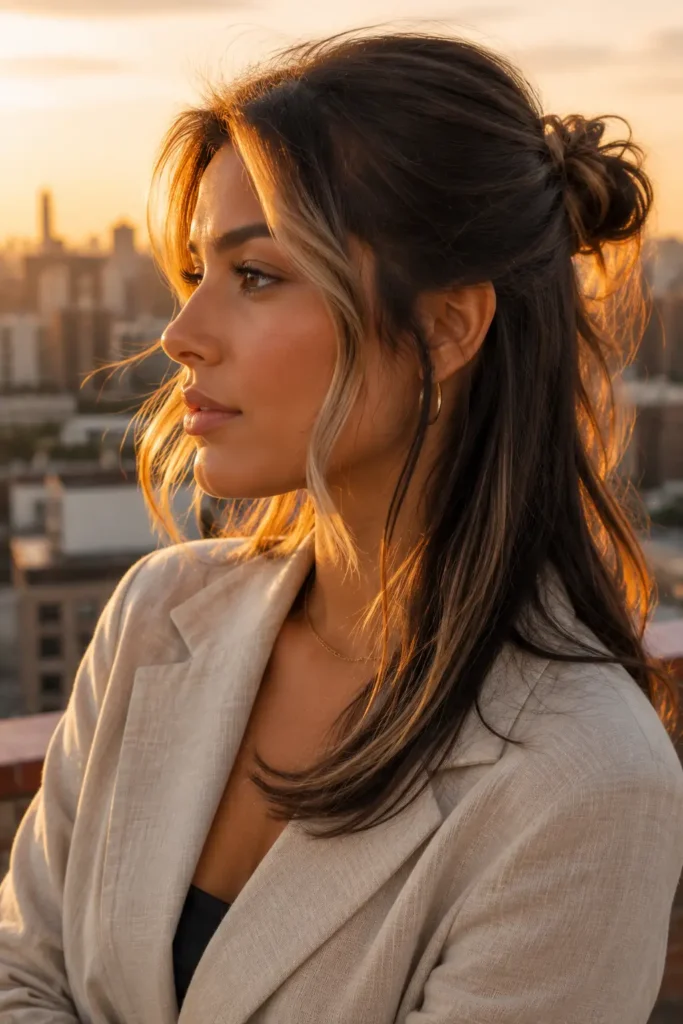
Sometimes the best approach is restraint. This variation of brown to blonde balayage focuses all the lightening around the hairline and face, creating a natural framing effect that brightens the complexion without changing a single strand at the back. It’s the ideal entry point if you’re uncertain about going fully blonde.
The face-framing sections are painted from root to tip in a feathered sweep. The back stays close to your natural brown. The result is a face that looks naturally lit and rested. This is also a smart starting point for people who want to test how they feel about lighter hair before committing to a full balayage treatment.
5. Chocolate Brown to Golden Blonde Color Melt
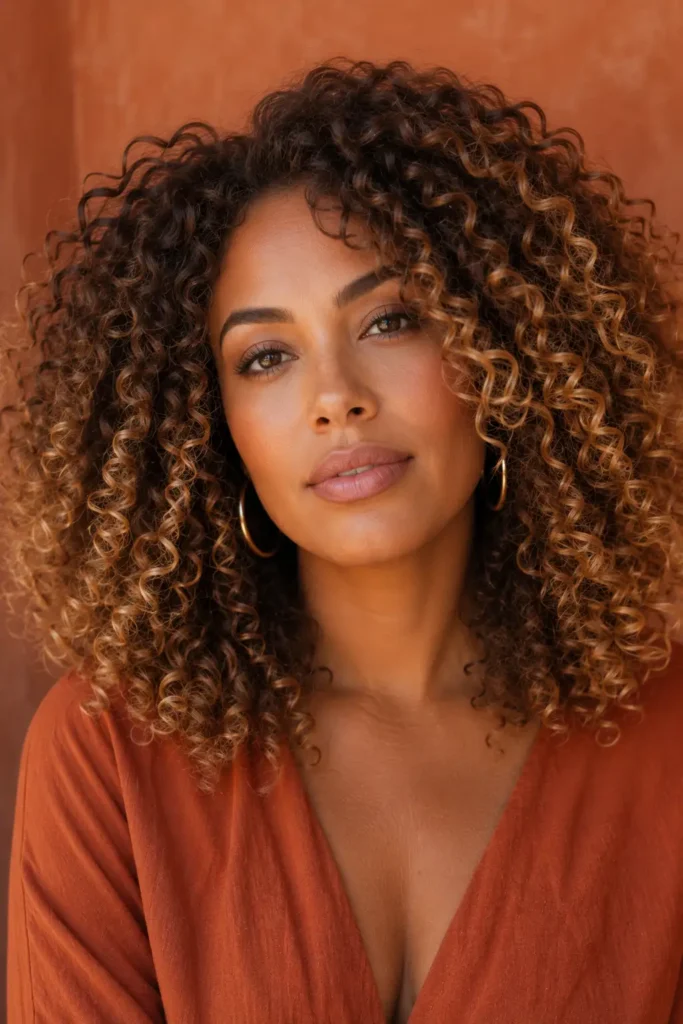
A color melt blends chocolate brown roots into golden blonde ends with no harsh line between the two tones. It’s softer than an ombre effect and more intentional than a basic balayage sweep. The color transitions from one shade to the next in a way that looks like something your hair just does naturally.
The golden blonde in this version catches light beautifully on thick or wavy hair where movement adds to the overall dimension. Request a color melt specifically rather than just balayage so your stylist knows to prioritise the seamless transition as the primary goal. This is one of the most photographed brown to blonde balayage results in current salon work.
6. Mushroom Brown to Dirty Blonde Balayage
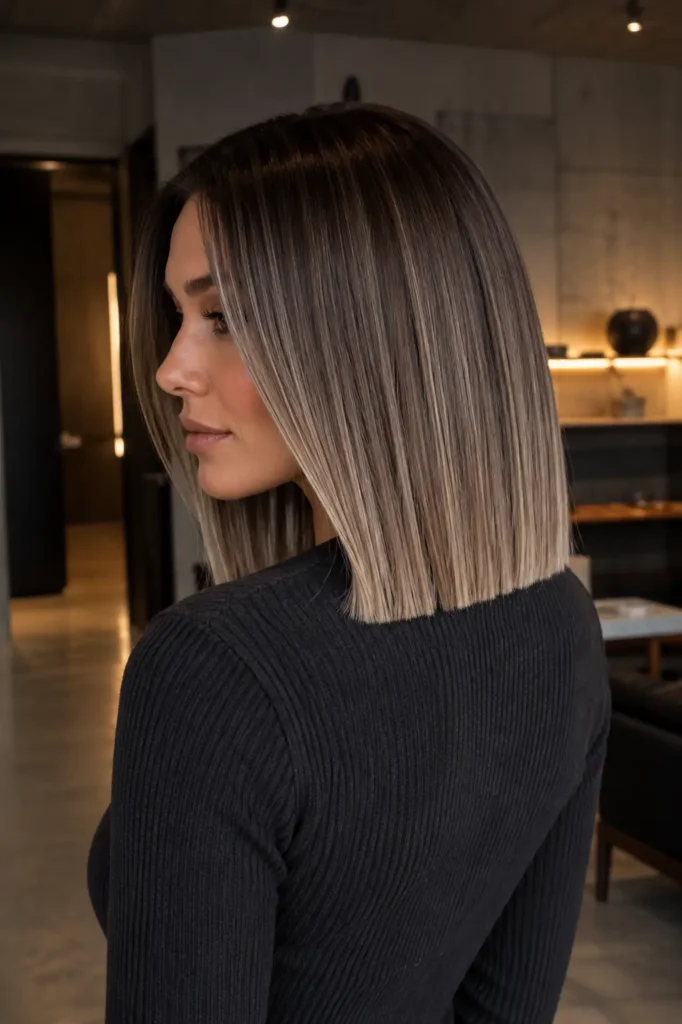
This is a moodier, more editorial take on the classic brown to blonde gradient. Mushroom brown is a grayish-brown with cool undertones, and when it transitions to dirty blonde or a muted dark blonde at the ends, the result feels fashion-forward and deliberate without looking like you tried too hard.
This style has maintained a consistent presence in editorial hair features for the past two years and suits virtually every skin tone. It looks particularly strong on fair to medium complexions. The cool undertones give the hair a slightly low-contrast, sculptural finish that pairs well with a blunt lob or lived-in layers.
7. Bright Blonde Money Piece on Dark Brown Base
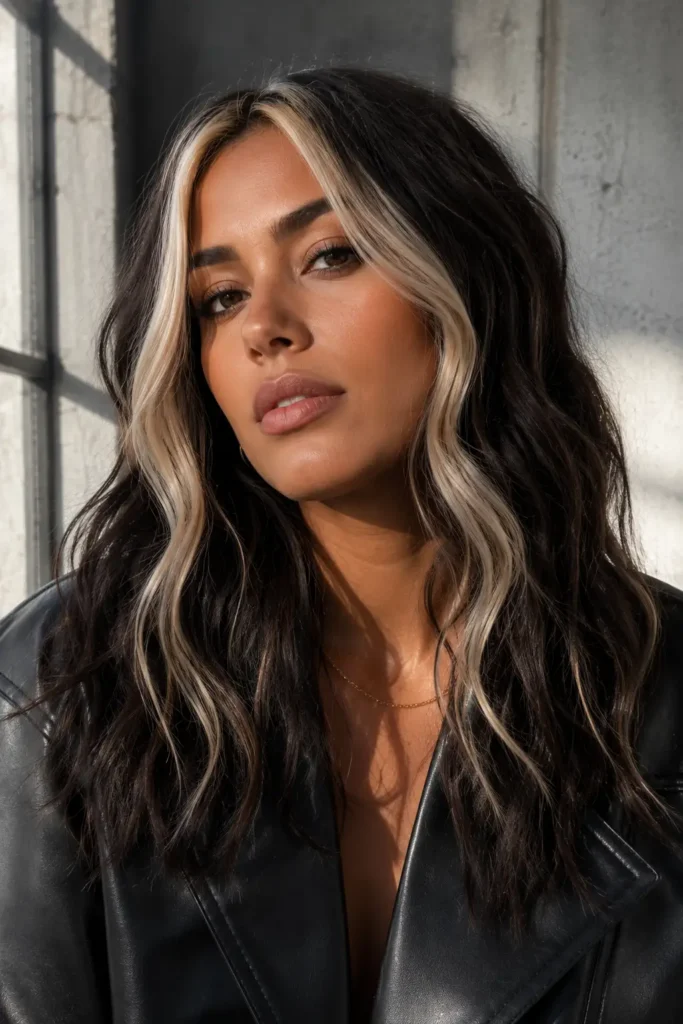
A money piece is a bold face-framing section of high-contrast, bright blonde placed right at the front of the hair. On a dark brown base, the contrast is striking and unmistakably intentional. This isn’t a subtle look, but it’s one of the most viral brown to blonde balayage variations for a reason.
The technique typically involves foiling or hand-painting just the two sections closest to your face, sometimes with softer supporting pieces placed slightly behind for a gradual fade. It grows out beautifully because the regrowth reads as part of the look rather than neglect. Bold, high-maintenance looking, genuinely low-maintenance in practice.
8. Warm Toffee Balayage on Thick Wavy Hair
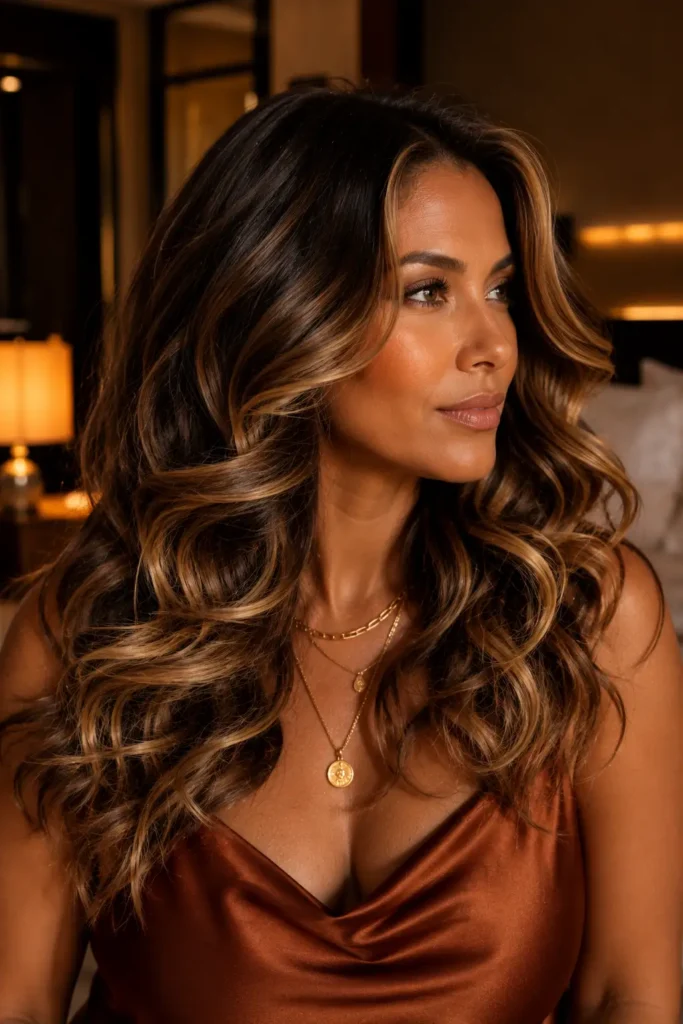
Wavy and curly hair textures hold balayage color in a way straight hair simply cannot. When light hits thick wavy hair painted with warm toffee blonde, the depth and movement are extraordinary. Each wave catches the color slightly differently, creating endless visual dimension from a single balayage application.
If you have naturally wavy or curly hair and have been wondering whether brown to blonde balayage translates on your texture, the answer is enthusiastically yes. Ask your stylist to paint your hair dry rather than wet so they can see exactly how the color will sit on your natural wave pattern.
9. Bronde Balayage
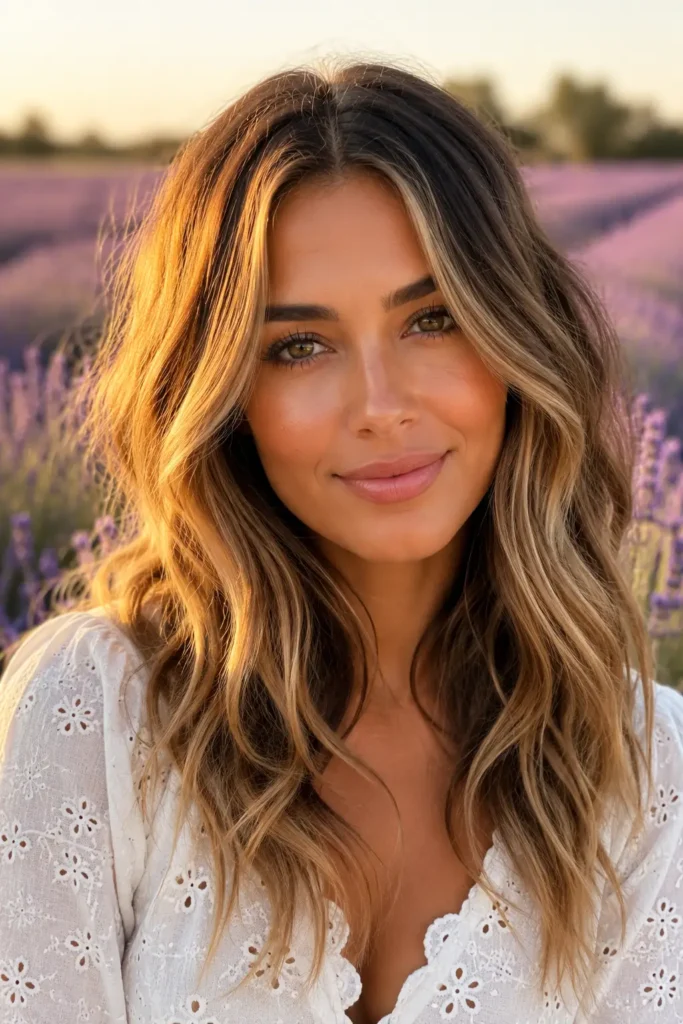
Bronde — the blend of brown and blonde — is not quite brunette and not quite blonde. For people who want lighter hair without a dramatic change, bronde balayage is the answer. The blend is subtle but noticeably warmer and more dimensional than untouched brown hair in any light.
This style is among the lowest-maintenance brown to blonde transitions available because the color is so close to most people’s natural base. Regrowth is nearly undetectable for months. If you’re blonde-curious but uncertain about the upkeep commitment, bronde gives you the look and feel of colored hair without most of the associated maintenance burden.
10. Babylights and Balayage Hybrid on Fine Brown Hair
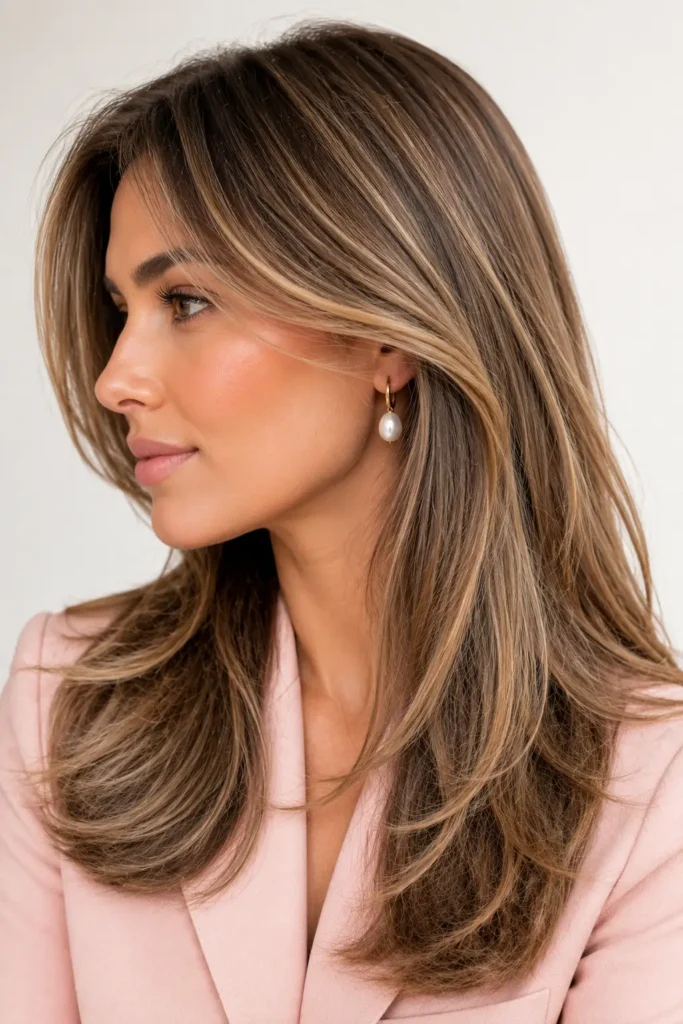
Fine hair can be tricky for traditional balayage because hand-painted sections sometimes look chunky or obvious on thin strands. The solution is a babylights and balayage hybrid, where ultra-fine highlights are woven throughout before a balayage gloss is applied over the top to unify the tone.
The result is the most natural-looking brown to blonde balayage possible on fine hair. It mimics the scattered lightening that happens naturally in children’s hair, with tiny, dispersed pieces of brightness rather than distinct painted sections. The finish is incredibly soft and works particularly well on pixie cuts, short bobs, and anything at shoulder length.
11. Sandy Blonde Balayage for Shoulder-Length Hair
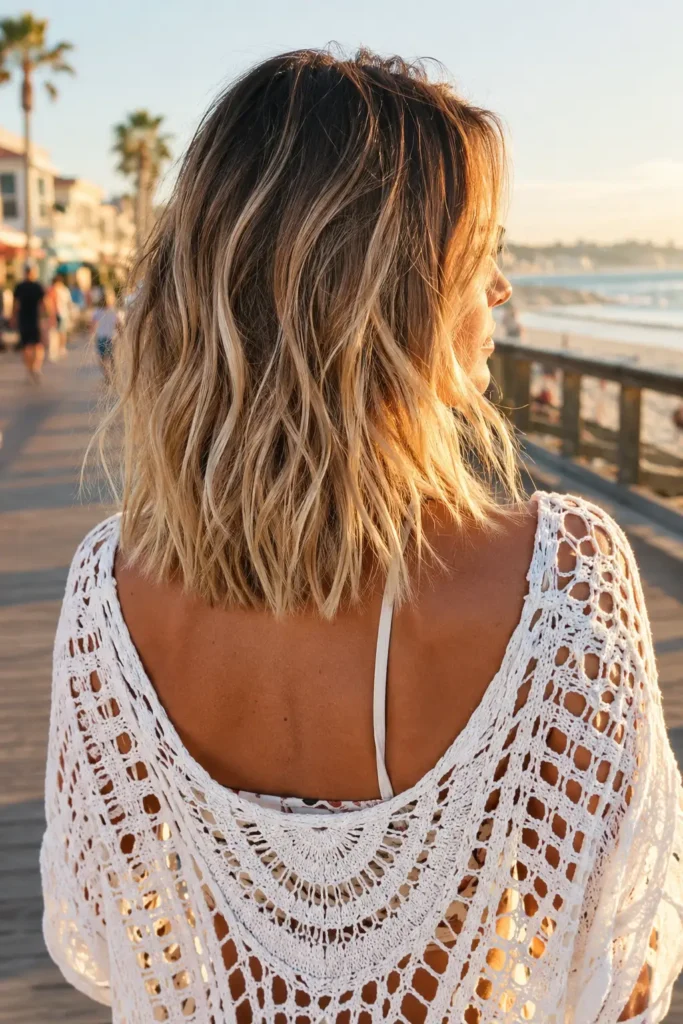
Sandy blonde is a warm, natural-looking shade that pairs perfectly with shoulder-length cuts. The color feels relaxed rather than processed, which is exactly the point. On a lob or classic long bob, sandy blonde balayage creates a breezy, effortless finish that photographs well from every angle without looking like it required much effort.
The key to this shade is choosing a warm blonde toner with a hint of gold rather than an icy or ashy blonde. Sandy tones have just enough warmth to read as sun-kissed without tipping into intense caramel territory. This is a versatile year-round look that works particularly well heading into spring and summer.
12. Dark Brunette to Platinum Tips Balayage
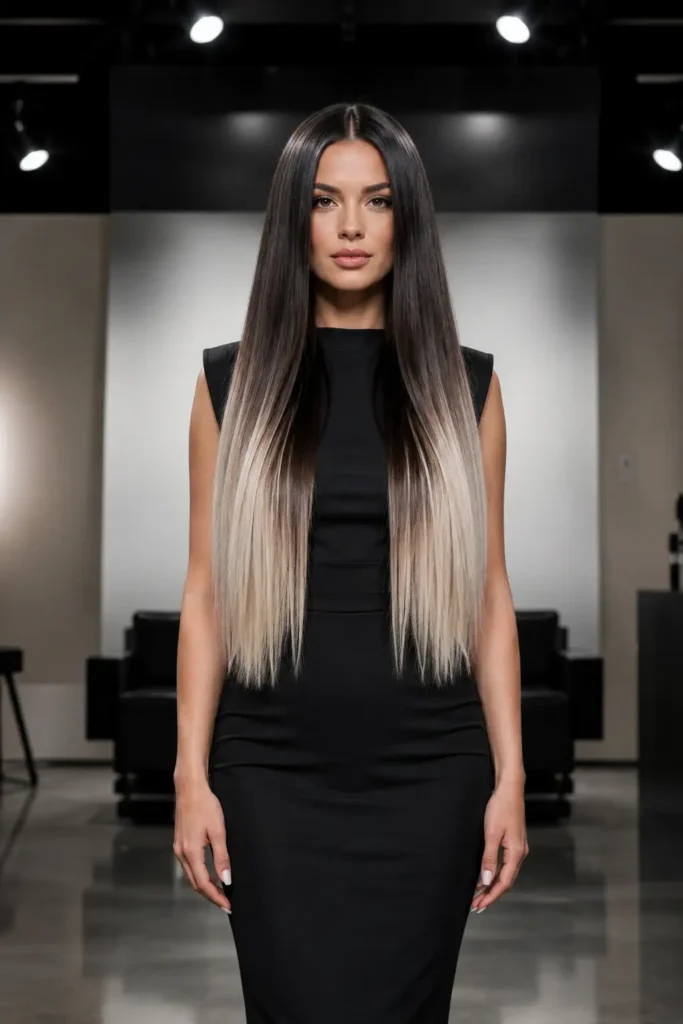
This is the boldest option on the list and one that requires patience, planning, and healthy hair as a starting point. A very dark brown base transitioning to near-platinum blonde ends creates a dramatic, high-contrast effect that turns heads. It requires multiple lightening sessions and dedicated aftercare.
When done correctly, the impact is genuinely extraordinary, especially on long, straight hair where the full gradient has room to develop. Communicate this as a multi-appointment goal with your colorist from the very first consultation so they can plan the sessions in stages and use a bond protector like Olaplex throughout the process.
13. Copper-Kissed Brown to Blonde Balayage
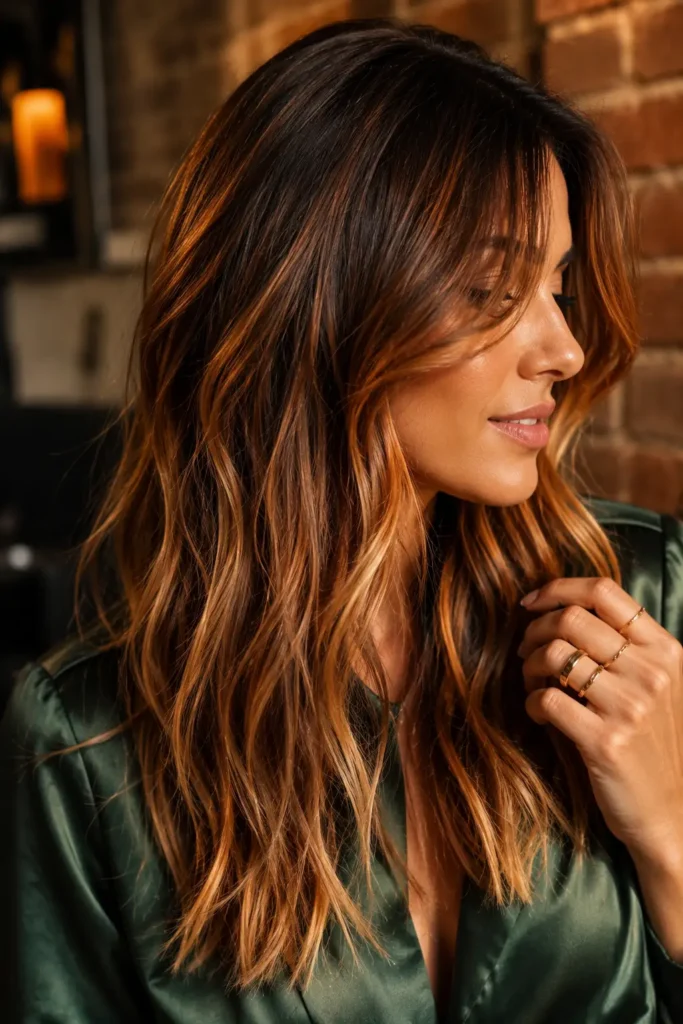
If you love warm reddish tones but want to move toward blonde, a copper-kissed balayage gives you both simultaneously. The stylist blends copper highlights and warm golden blonde pieces through a brown base, creating a fiery, multi-dimensional result with a warmth that sits in a category of its own.
This look is stunning on people with green, hazel, or amber eyes and suits both warm and neutral skin tones. The copper tones also happen to extend the life of the color as they fade, which means the hair transitions through attractive stages rather than landing on a flat, dull tone between appointments.
14. Balayage on a Short Brown Bob
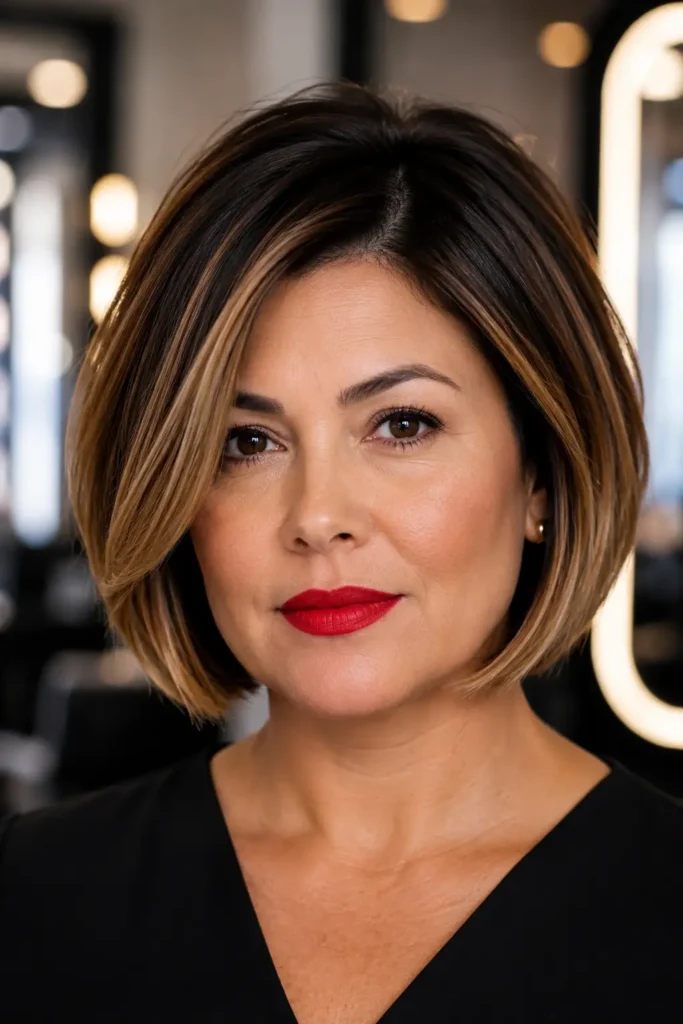
Short hair and balayage work better together than most people expect. On a short bob or pixie bob, the color concentrates in the areas that matter most: the ends, the crown, and the face-framing sections. There’s no length for the gradient to gradually develop, which means the effect is punchier and more immediate.
Ask your stylist to focus the lightener on the top layer and ends while keeping the nape and underneath sections darker. This creates depth and prevents the cut from looking flat or one-dimensional. This style works particularly well on fine hair because the tonal contrast adds visible thickness without requiring a single inch of additional length.
15. Balayage with a Visible Root Smudge Technique
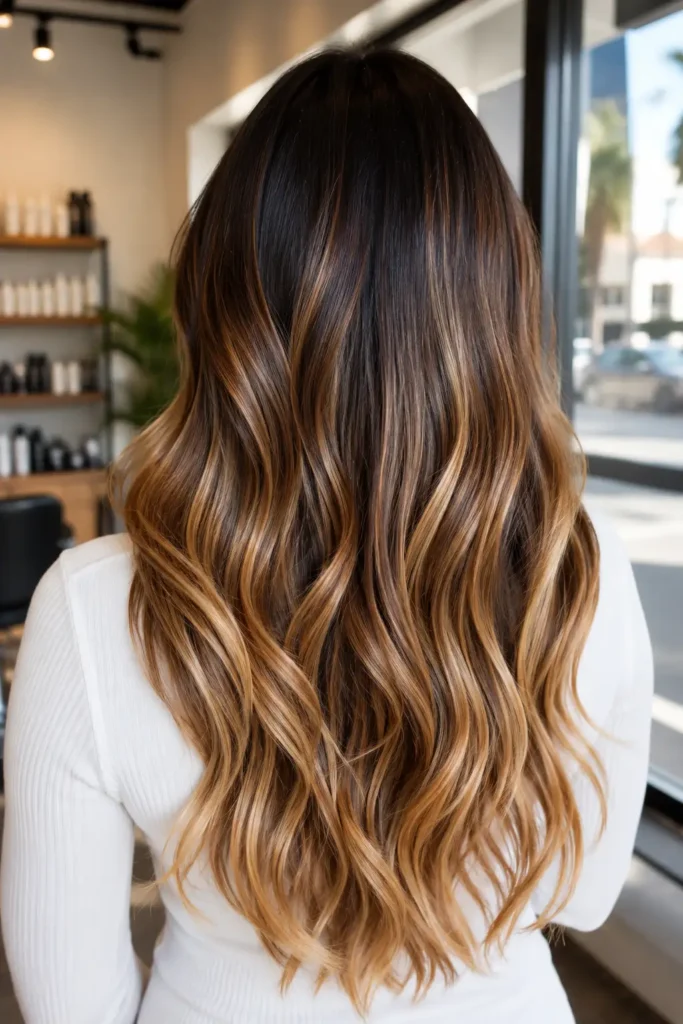
Root smudging is a technique where the colorist applies a slightly darker shade right at the roots after lightening, creating a soft, shadowed base that makes the transition to blonde look more gradual and natural. It also extends the life of the balayage considerably because the roots never develop that stark, grown-out look.
This is the technique to specifically request if you can only realistically make it to the salon twice a year. The smudge creates the illusion of intentional depth rather than neglect. It’s also an excellent option for anyone transitioning away from all-over box dye toward a more natural, dimensional brown to blonde balayage.
16. Balayage on Natural Black-Brown Hair
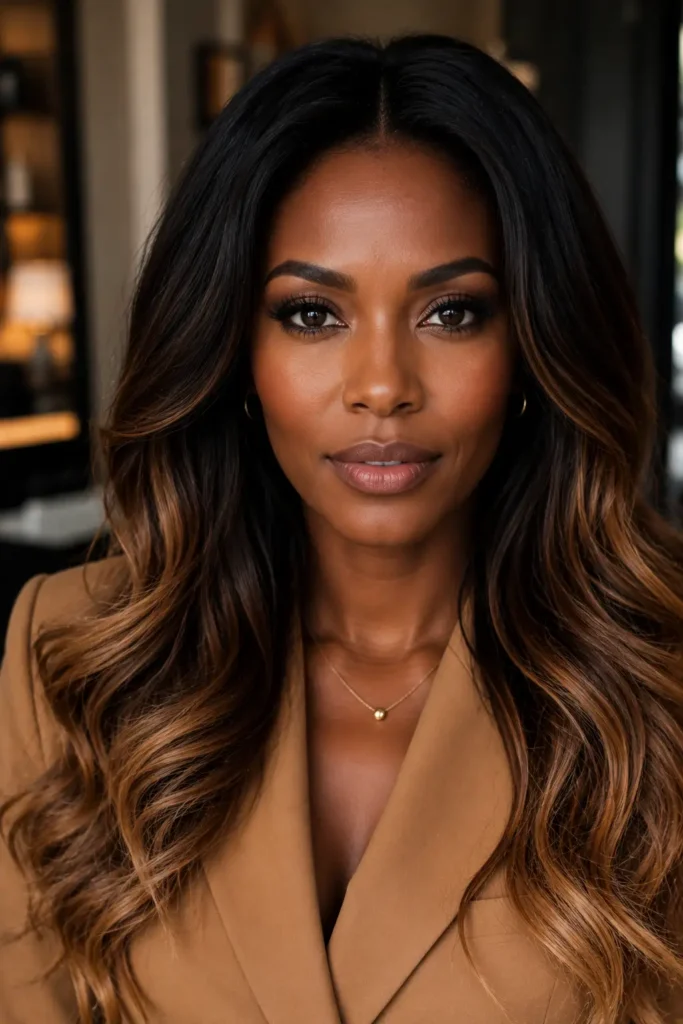
Getting blonde on very dark, near-black hair is a commitment, but brown to blonde balayage is the gentlest path there. Rather than bleaching the entire head, the colorist selectively lightens certain sections, minimising overall damage while still creating real, visible color change that grows out beautifully over time.
Expect a warm caramel or toffee blonde rather than a light blonde in your first session on very dark hair. Reaching a brighter blonde typically takes two or three appointments spread over several months. This is a beautiful, gradual process when done by a colorist who understands how dark hair lifts and plans accordingly.
17. Balayage on Long Straight Brown Hair
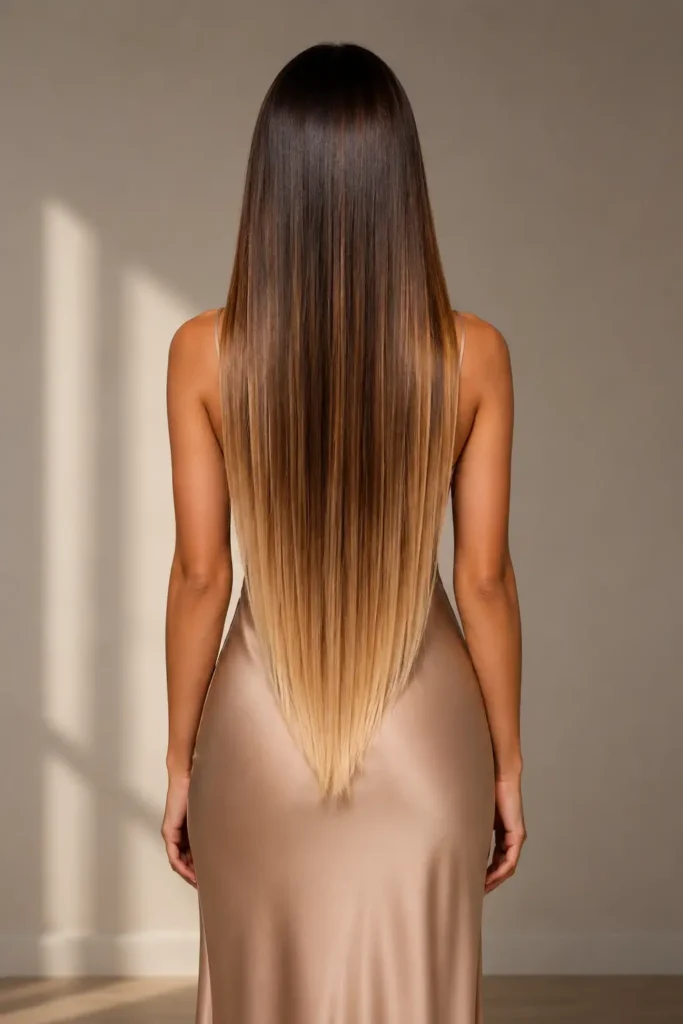
Long straight hair is arguably the ideal canvas for brown to blonde balayage. The length gives the gradient full room to develop, and the straightness means every painted section is clearly visible without curl or texture obscuring it. The color transitions smoothly from darker roots through warm mid-lengths to brighter ends.
This style looks polished when blown straight and glossy but is equally stunning with soft bends created by a large barrel iron. Ask your stylist to concentrate a higher density of lightener in the bottom third of your hair for that deeply sun-drenched, beach-bright finish at the ends that long hair makes possible.
18. Lived-In Brown to Blonde Balayage
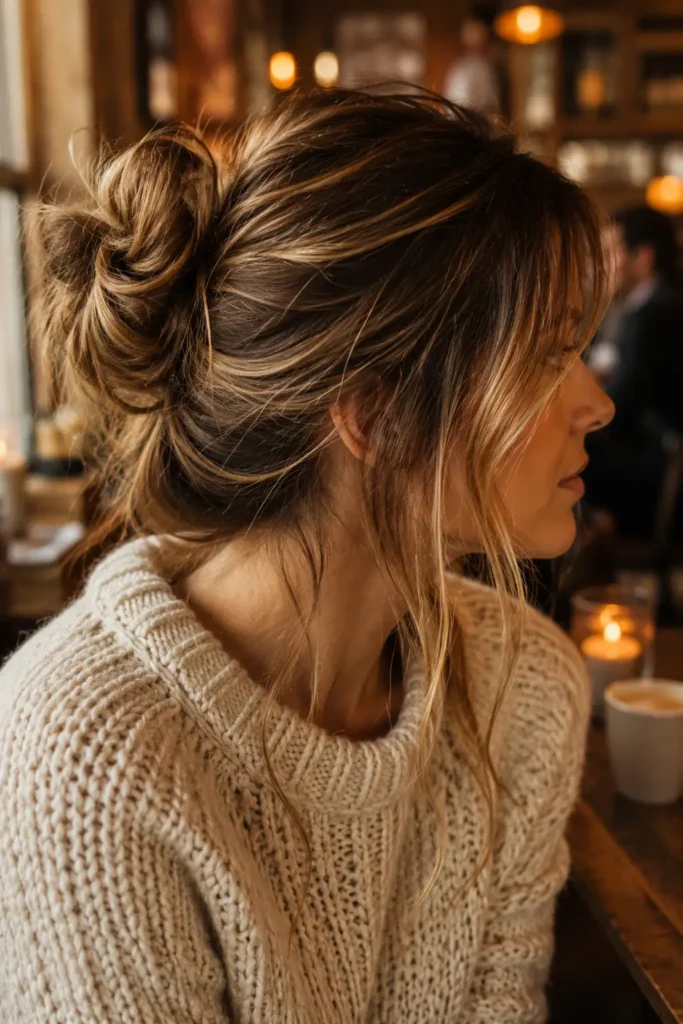
Lived-in color is deliberately imperfect. It’s not uniformly blended or evenly distributed across every strand. Instead it mimics the kind of natural, gradual lightening that would happen after months spent outdoors, and that intentional imperfection is exactly what makes it so wearable and so consistently popular.
This version works beautifully on hair that has some previous color, natural variation, or even old fading from a prior service. Your stylist may use a combination of hand-painting and a toning gloss rather than heavy lightening. Lived-in brown to blonde balayage is the style that always looks like it’s just always been there.
19. Dimensional Balayage for Thin Fine Hair
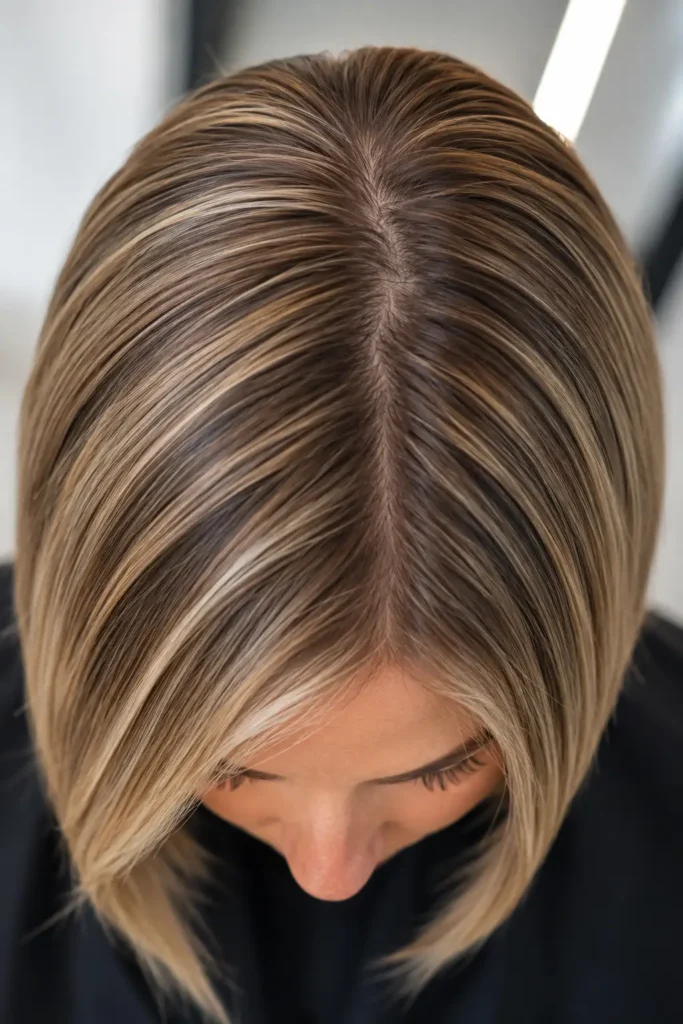
People with fine hair are often told that coloring will make their hair look even thinner. With the right technique, the opposite is true. Dimensional color creates the visual illusion of depth and layers, making fine hair appear fuller and more textured than a single-process shade ever could.
Request multiple tones rather than a simple one-shade lightening: a mix of caramel, golden blonde, and a touch of ash blonde placed strategically through the hair creates a layered, textured effect that adds visible density. Pair it with a light texturizing spray and the hair reads as noticeably thicker in person.
20. Balayage on Natural Wavy Hair (Air-Dry Friendly)
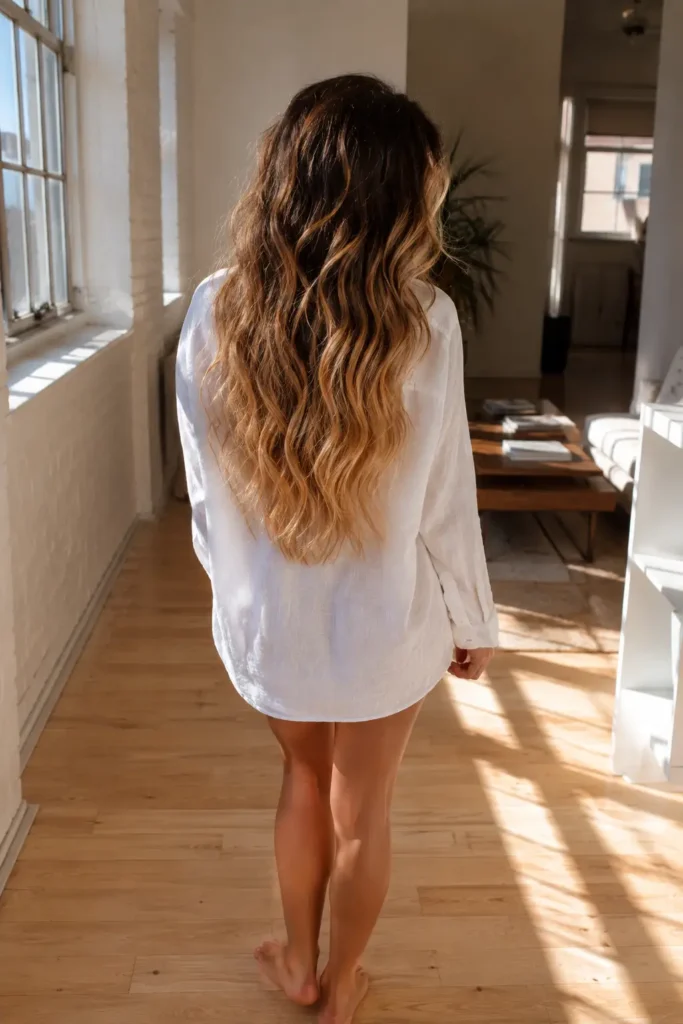
One of the most underrated brown to blonde balayage styles is one that requires zero heat to look good. On natural wavy hair, a warm blonde balayage air-dries into a gorgeous, effortless finish that needs almost nothing beyond a curl-refreshing spray and a light smoothing cream on the ends.
This style suits a relaxed, natural aesthetic and works especially well on medium to long hair. Olaplex No. 6 Bond Smoother or a similar bond-maintaining cream helps preserve the moisture balance in color-treated wavy hair between washes. Diffuse on a low setting for added definition or simply let it dry completely naturally for the most lived-in result.
21. Full Gradient: Complete Brown to Blonde Transformation
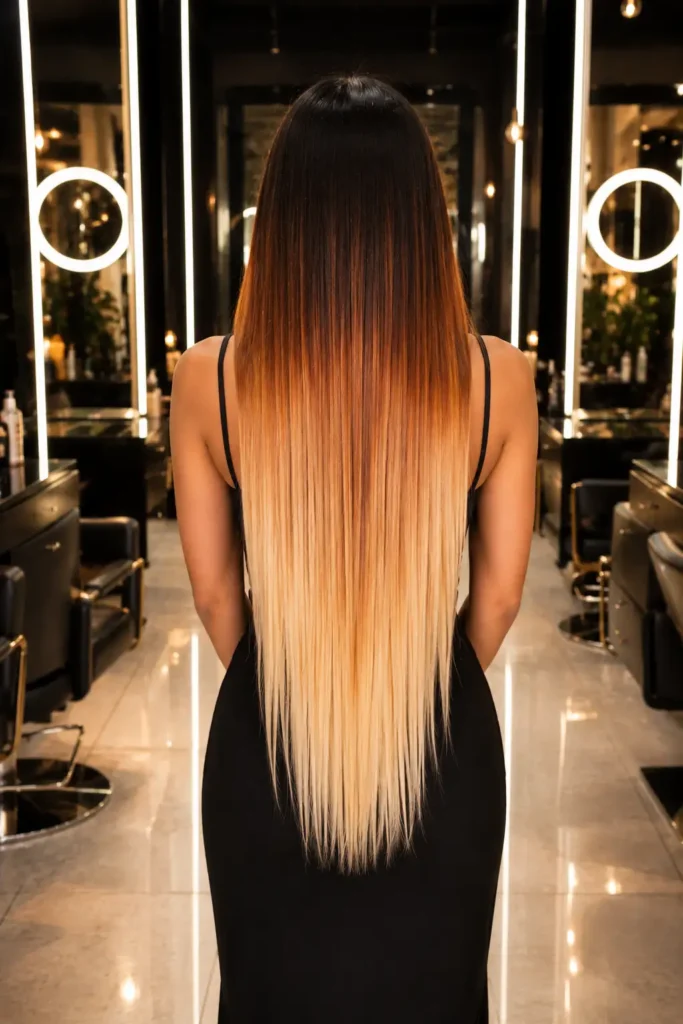
This is the full commitment. Hair transitions from a natural brown root to a full, bright blonde at the ends in a seamless, head-turning gradient. It’s the most dramatic look on the list and requires multiple salon visits, a solid home care routine, and a high-quality bond protector from the very first session.
Done correctly, this transformation is extraordinary on long hair. The color moves like a gradient at sunset when the hair swings. If this is your goal, communicate it clearly from your first appointment so your colorist can plan the sessions, protect the hair with Olaplex or a comparable bond treatment, and take the process at the right pace.
What to Tell Your Colorist Before the Appointment
Going in with a clear reference photo is the single most important thing you can do before a balayage appointment. Even experienced colorists benefit from visual references because “blonde” means very different things to different people. Bring two or three photos that show the specific shade, placement density, and level of contrast you want.
Be honest about your entire hair history. Box dye, previous bleaching, keratin treatments, and even prolonged sun exposure all affect how your hair lifts and tones. Box dye in particular reacts differently to professional lightener and can cause uneven lifting or unexpected banding through the mid-lengths if your stylist doesn’t know it’s there.
Internal linking suggestion: “Our complete pre-appointment checklist at herstylenest.com covers everything you need to share with your colorist before sitting down — [what to tell your stylist before a color appointment].”
Also tell your colorist how often you realistically visit a salon. A brown to blonde balayage can be designed for four-month intervals or stretched to twelve months depending on placement, root smudging, and tone selection. If you’re naturally low-maintenance, say so upfront so the application can be adjusted to suit your lifestyle.
How to Maintain Your Brown to Blonde Balayage at Home
The first investment to make is a purple or blue shampoo. Lightened hair in the golden to blonde range has a tendency to go brassy as the toner fades, especially with frequent heat styling and sun exposure. A good purple shampoo used once or twice a week keeps the tone fresh between appointments without requiring a full salon visit.
Deep conditioning on a weekly basis is not optional for lightened hair. Bleach opens the hair cuticle during the lightening process, and without regular moisture treatment, the ends become dry, porous, and prone to breakage. Olaplex No. 3 Hair Perfector, used as a weekly pre-wash treatment, genuinely restores strength and integrity between color appointments.
Heat protection matters more on color-treated hair than on natural hair. If you’re using a flat iron or curling iron regularly, a heat protectant serum or spray is essential before every use. Products like Kenra Platinum Silkening Mist or L’Oreal EverPure Bond Strengthening Serum create a protective layer between the heat tool and the hair cuticle.
Common Mistakes to Avoid
Going too light too fast. Very dark hair needs gradual lifting to avoid damage and uneven tone. Trying to reach a bright blonde in one session on near-black hair almost always produces an orange mid-length section, damaged ends, or both. Plan for a multi-session approach from the beginning.
Skipping the toner. Raw lightened hair lands somewhere between yellow and brassy orange depending on your starting shade. Toner is what converts that lightened section into the specific, clean blonde you actually want. Always confirm that toning is included in your appointment and discuss which tone before lightening begins.
Washing color-treated hair with hot water. Hot water strips toner and color pigment faster than almost anything else in your routine. Switching to cool or lukewarm rinses is a small habit change that visibly extends the life of your balayage tone by several weeks.
Choosing the wrong shade of blonde for your skin tone. A deeply warm caramel blonde on a very cool complexion can clash rather than complement. An icy ash blonde on warm golden skin can look flat and draining. Research your skin undertone before selecting a blonde target and use that information actively in your consultation.
Internal linking suggestion: “Use our skin tone and hair color guide at herstylenest.com to match your undertone to the most flattering balayage shade — [find your perfect blonde by skin tone].”
Seasonal Trends in Brown to Blonde Balayage
Spring and summer lean heavily toward lighter, warmer tones. Golden caramel, sandy blonde, honey, and full sun-kissed hair are the most requested balayage shades from April through August. They sync naturally with warm-weather wardrobes and the way skin looks with a bit of color from the sun.
Autumn pulls the palette toward richer, deeper warmth. Toffee, copper-infused blonde, and mushroom bronde tend to dominate September and October bookings. These shades feel grounded and luxurious alongside the deeper colors of the season. If you’re booking a fall appointment, consider nudging your blonde slightly warmer and more amber for a result that feels season-appropriate.
Winter brown to blonde balayage tends toward two opposite poles: cool and icy at one end, deeply warm and golden at the other. Beige blonde and ash blonde look stunning against winter complexions and cold-weather fashion palettes. Alternatively, rich warm golden balayage against a dark brown base has a depth and glow that suits the holiday season beautifully.
Frequently Asked Questions
Can I go from dark brown to blonde with balayage in one session?
Most colorists recommend against attempting a full transformation in a single appointment. Very dark hair needs careful, gradual lifting to avoid damage and achieve an even tone. One session can typically reach a warm caramel or toffee blonde. A full light blonde result usually requires two to three appointments spread over several months.
How long does brown to blonde balayage actually last?
A well-applied balayage with a root smudge can look intentional and maintained for anywhere from three to six months before needing a refresh appointment. The tone typically fades faster than the lightening itself, especially with regular heat styling or sun exposure. Touch-up visits are usually shorter and less expensive than the original service.
Will balayage damage my hair?
All lightening processes involve chemical change to the hair structure. Balayage is generally less damaging than all-over bleach because only selected sections are lightened. Using a bond protector like Olaplex during the service significantly reduces structural damage, and consistent aftercare keeps the hair healthy and strong between appointments.
How much does brown to blonde balayage cost?
Pricing varies by location, salon reputation, and stylist experience level. In the US, a full balayage service typically ranges from $150 to $400 or more in major cities. Premium colorists or high-demand salons charge accordingly. Treat it as an investment rather than a situation to bargain-hunt, since the skill of the colorist directly determines the quality of the result.
What’s the difference between balayage and ombre?
Ombre is a more defined, linear gradient from dark roots to light ends with a more visible demarcation point between the two tones. Balayage is hand-painted and blended, creating a softer, more natural-looking transition with no single visible boundary line. Most people find balayage more flattering for daily wear and significantly easier to maintain.
Is brown to blonde balayage suitable for gray hair?
Yes, and it works exceptionally well. The lightened balayage pieces blend naturally with gray or silver strands, camouflaging regrowth in a flattering way that all-over color cannot replicate. Many people in their 40s and 50s specifically choose balayage because it grows out gracefully alongside natural gray without requiring constant touch-ups.
How often should I get a gloss refresh?
A toner or gloss refresh is typically recommended every six to eight weeks to keep the blonde tone vibrant and prevent brassiness from setting in. This is much less time-intensive and less expensive than a full balayage appointment and can often be completed in under an hour. Many salons offer standalone gloss services specifically for returning balayage clients.
What shampoo should I use after brown to blonde balayage?
A sulfate-free shampoo is the baseline for all color-treated hair. Adding a purple or blue shampoo once or twice a week neutralizes brassiness as the toner fades over time. Fanola No Yellow, Matrix So Silver, and Shimmer Lights are widely used options that are effective on golden to blonde tones without stripping moisture.
Getting the most out of brown to blonde balayage comes down to three things: choosing the right shade for your starting color and skin tone, trusting a skilled colorist to execute the technique correctly, and committing to a proper maintenance routine at home. The 21 ideas in this article cover the full spectrum from barely-there bronde to full platinum gradient, meaning there’s a version here for every hair type, lifestyle, and level of boldness.
If you’re still undecided after reading all of this, start on the conservative end. Caramel or honey balayage is the most forgiving entry point, requires the least maintenance, and flatters the widest range of complexions. You can always go lighter at your next appointment. What you cannot easily undo is going too far too fast and spending six months nursing over-processed, dried-out ends back to health.
Sarah Williams
Hi, I’m Sarah Williams — the founder of HerStyleNest, where beauty meets modern style. I share trendy hairstyles, chic nail designs, and fashion inspiration for women who love staying stylish every season. From everyday elegance to viral beauty trends, HerStyleNest is your go-to destination for effortless fashion and beauty ideas.