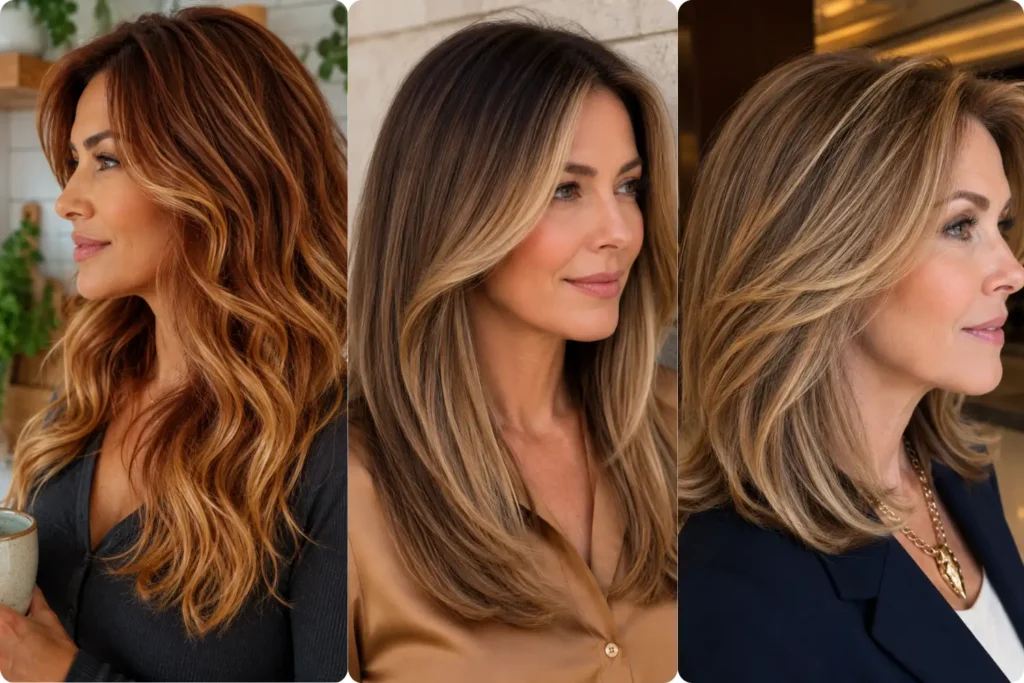

21 Golden Blonde Balayage Ideas That Actually Suit Real Hair
The first time I asked for a golden-blonde balayage, I walked out with something closer to brassy orange streaks than the warm, sun-kissed look I had obsessively pinned for weeks. That was five years ago, and I have since learned a lot about what makes this color technique work and, more importantly, what makes it fail.
Golden blonde balayage sits in a very particular sweet spot. It is warm enough to look like you actually spent a summer outdoors, but not so yellow that it feels artificial. When it is done right, the color moves through your hair like light rather than sitting in obvious painted chunks. That distinction between good balayage and bad balayage comes down to the tone selection, the placement, and whether your starting hair color can actually get there without frying.
What Makes Golden Blonde Balayage Different from Regular Highlights
Traditional highlights are applied using a foil. The colorist sections your hair, paints the lightener onto even strips, and wraps each one in foil to process. The result is a consistent, repeating pattern of light and dark. There is nothing wrong with this technique, but it does not replicate the way hair naturally lightens in the sun.
Balayage is a French term meaning to sweep or paint. The colorist works freehand, brushing the lightener onto the surface of the hair and concentrating color toward the mid-lengths and ends where sunlight would actually hit. The root stays close to natural. The transition is gradual. This is why grown-out balayage still looks intentional at twelve weeks while grown-out foil highlights tend to look like a stripe across your scalp.
Golden blonde, specifically, refers to a warm blonde tone in the Level 7 to Level 9 range, depending on how light your natural hair is. It sits between the cool, ashy blondes that are popular in Scandinavian color palettes and the very light platinum shades. The warmth in golden blonde comes from gold, copper, and sometimes a little honey pigment left in during toning. Getting this warmth right without tipping into brassiness is the single hardest part of the technique, and it is where a skilled colorist earns their price.
1. Soft Butter Gold on Fine Hair
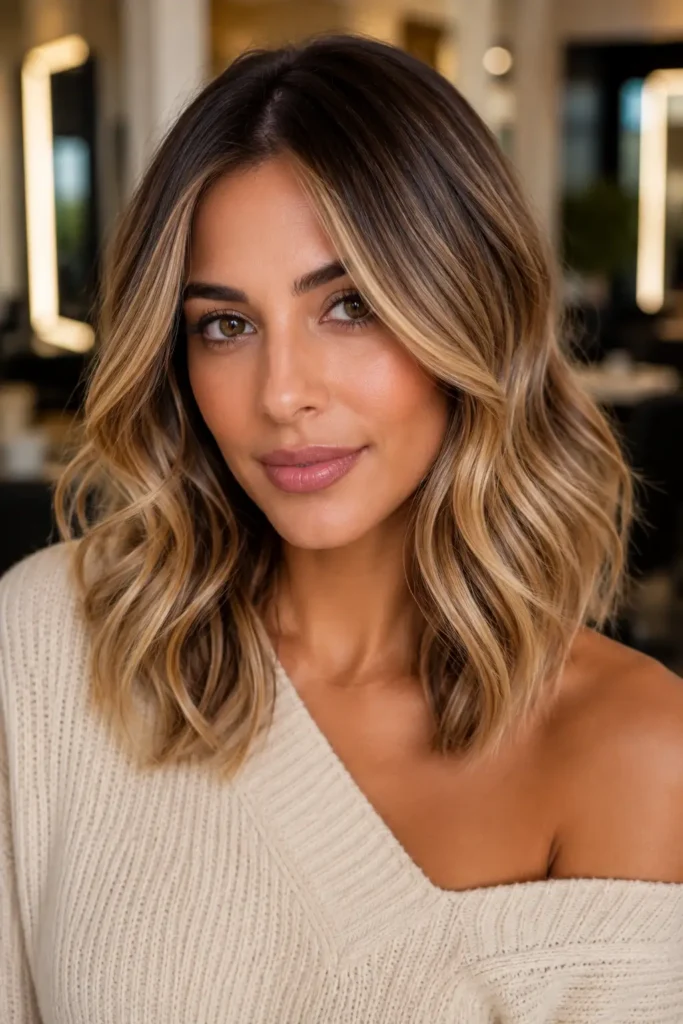
Fine hair reflects light more easily than thick hair, which actually makes it an excellent candidate for golden blonde balayage when done with a lighter hand. Ask for hand-painted highlights that are closer together at the surface and kept away from the very root. The result reads as a soft luminosity rather than defined streaks. A gloss treatment at the end in a champagne-gold tone will pull everything together without adding brassiness.
2. Deep Root Color Melt to Honey Ends
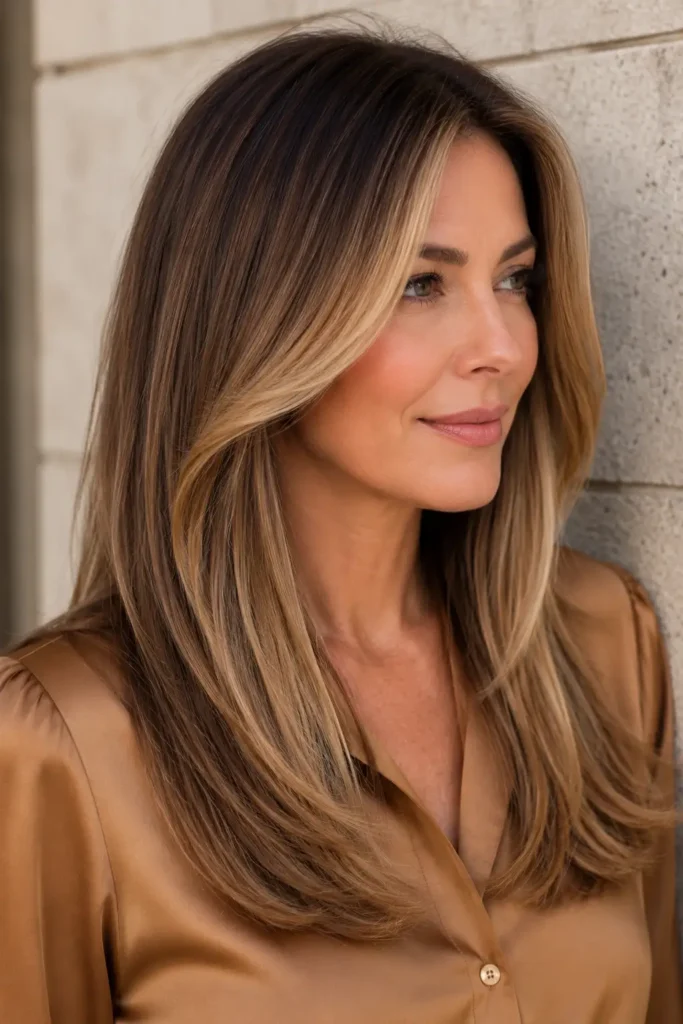
Start with a dark brown or level 4 root and let the gold build gradually through the mid-shaft before opening up into a full honey blonde at the ends. This version of golden blonde balayage works particularly well on women with naturally dark hair who want to try blonde without committing to a full head of bleach. The contrast is dramatic, but the transition looks organic. Olaplex Bond Smoother is worth using as a leave-in afterwards to manage the potential for dryness at the ends.
3. Face-Framing Honey Highlights
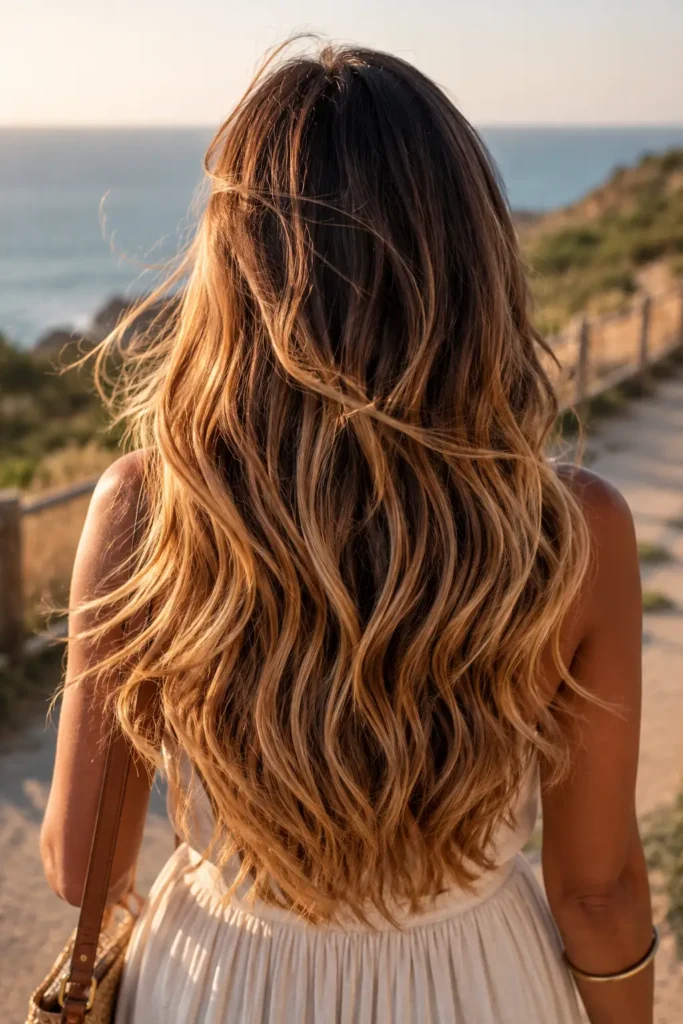
This is the single most flattering placement for almost every face shape. Two or three sections around the hairline and temples are lightened to a warm golden tone while the rest of the hair stays closer to natural. It draws light to the face, makes eyes read brighter, and requires about half the processing of a full balayage. It also grows out cleanly. I have recommended this to friends who wanted to try blonde for the first time, and every one of them booked the full treatment afterward.
4. Golden Balayage on Dark Brown Base
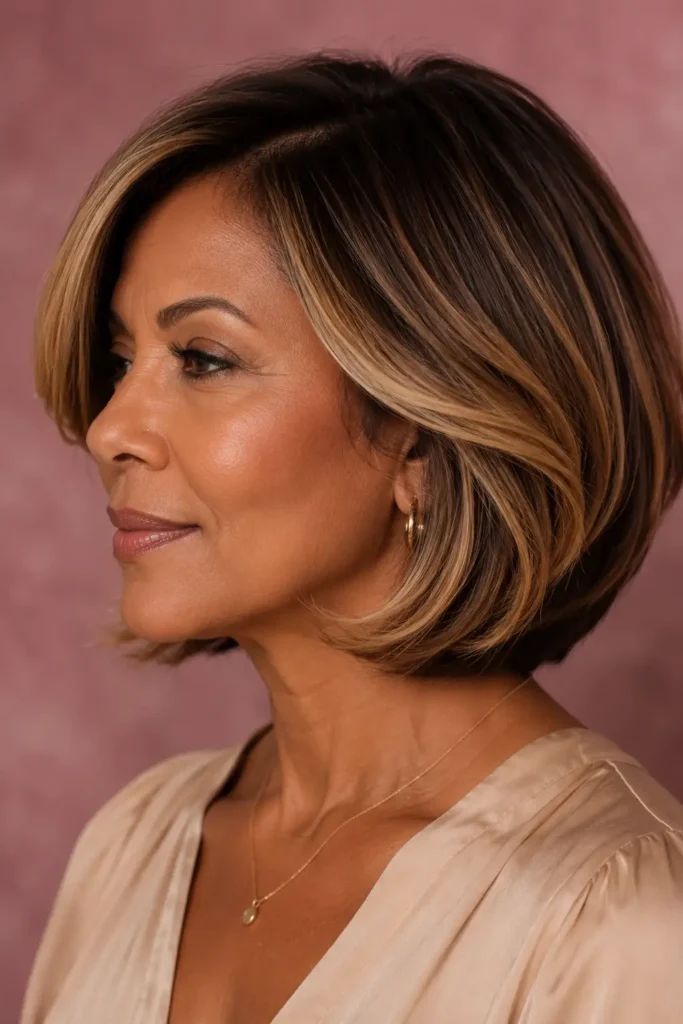
This combination tends to photograph beautifully because the contrast between the cool-leaning dark base and the warm golden ends creates visual depth. The key is keeping the lift at the mid-lengths and ends at a Level 8 to Level 9 rather than going further, which would start to look like you left the bleach on too long. A Redken Shades EQ gloss in Champagne Cocktail or a similar warm-neutral tone will balance the result without pulling too cool.
5. Warm Caramel-to-Gold Color Melt
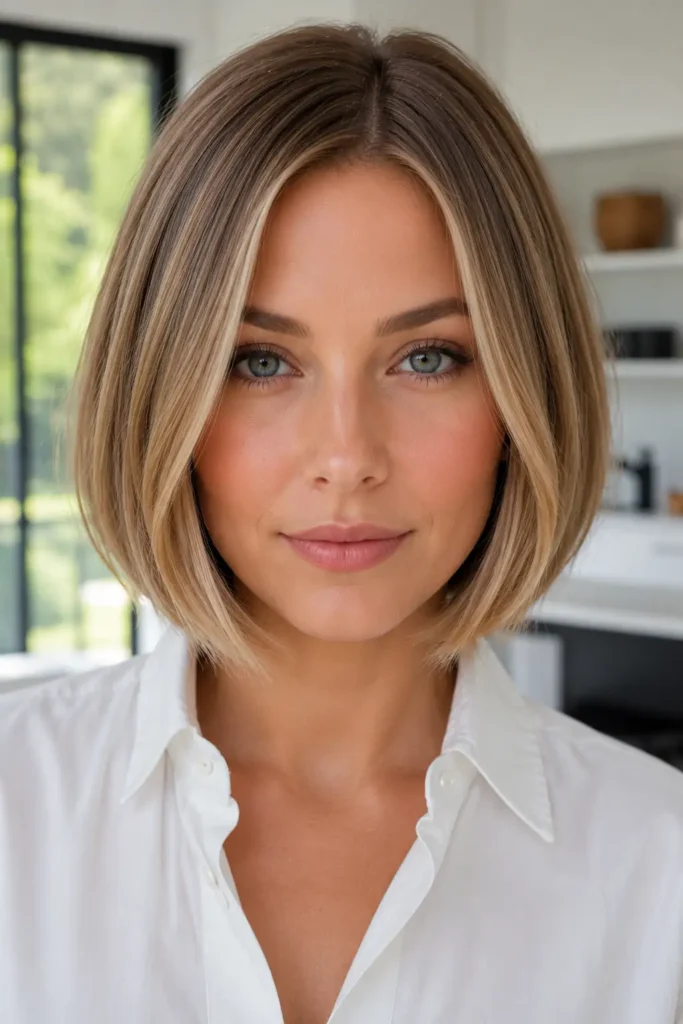
The caramel-to-gold combination is technically a variant of golden blonde balayage in which the mid-shaft lightens to a warm caramel rather than jumping straight to blonde. It suits Autumn seasonal color palettes and brown eyes particularly well. The overall effect feels rich and expensive without requiring the hair to be lifted to a very light level. This is a great option if your hair has had previous color because it does not demand as much raw lightening power.
6. Sun-Kissed Beach Waves with Gold Ends
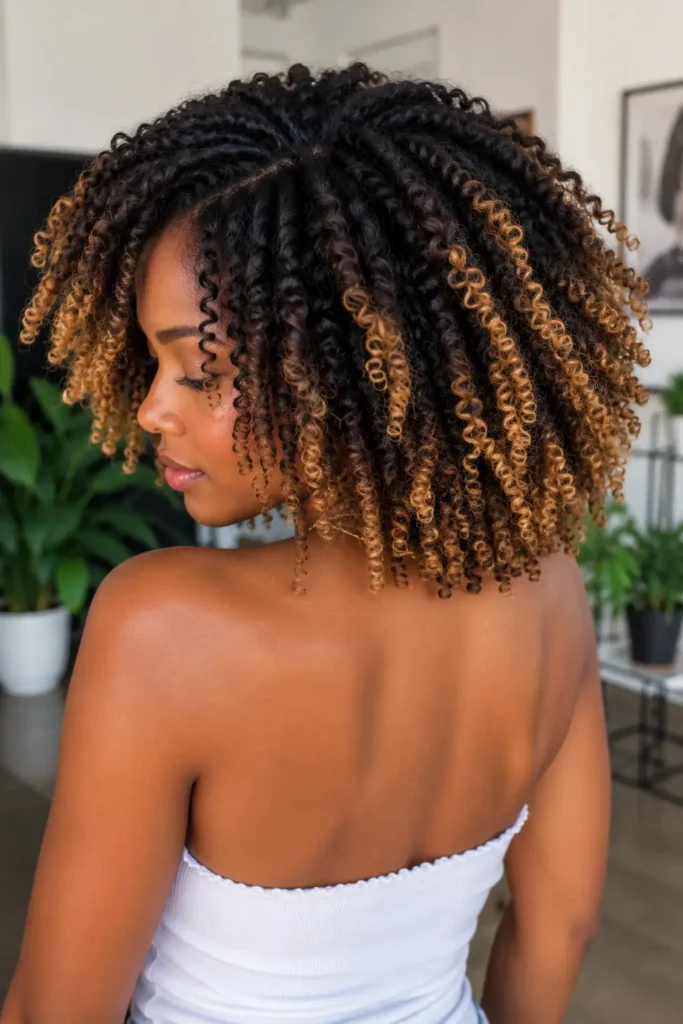
This style leans into the natural appearance of hair that has been in the sun all summer. The placement is concentrated at the very tips of the hair and around the face, and the tone skews slightly lighter, toward a Level 9 golden blonde. Works best with medium to long hair that has texture or natural wave. If your hair is straight, a sea salt spray like Not Your Mother’s Curl Talk will give you the effortless wave that makes this color look its best.
7. Dimensional Golden Blonde for Thick Hair
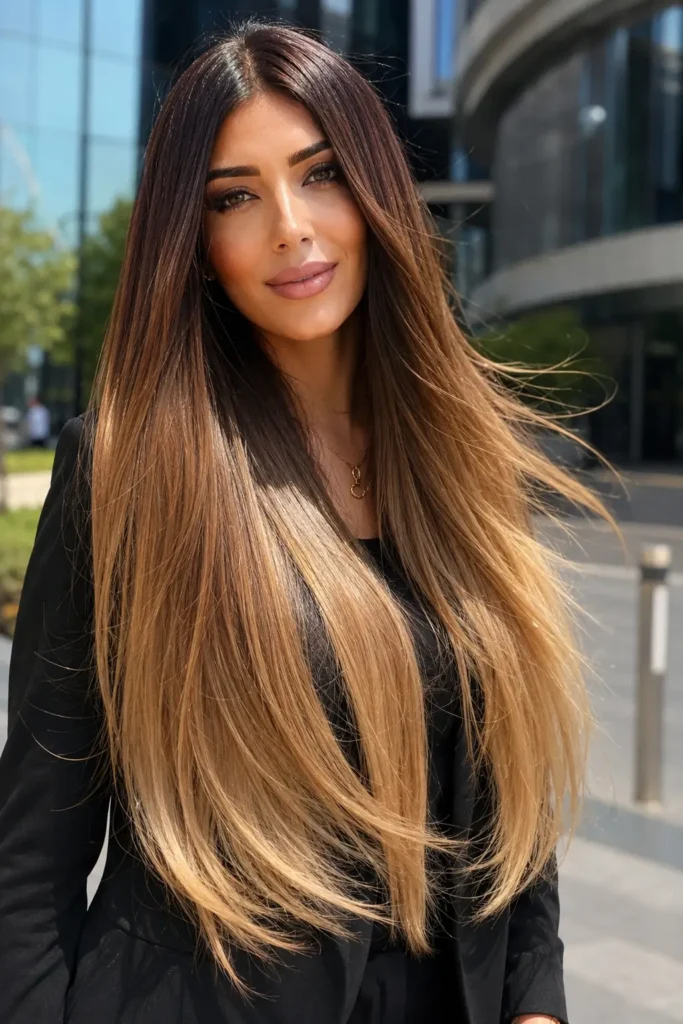
Thick hair can absorb a lot of color without the individual highlights reading as distinct. For this reason, golden blonde balayage on thick hair works better when the stylist varies the placement, applying some sections close to the root and others mid-shaft. This creates actual depth in the color rather than a flat wash of gold. Ask your colourist specifically for dimensional placement rather than a standard balayage sweep.
8. Rose Gold to Golden Blonde Transition
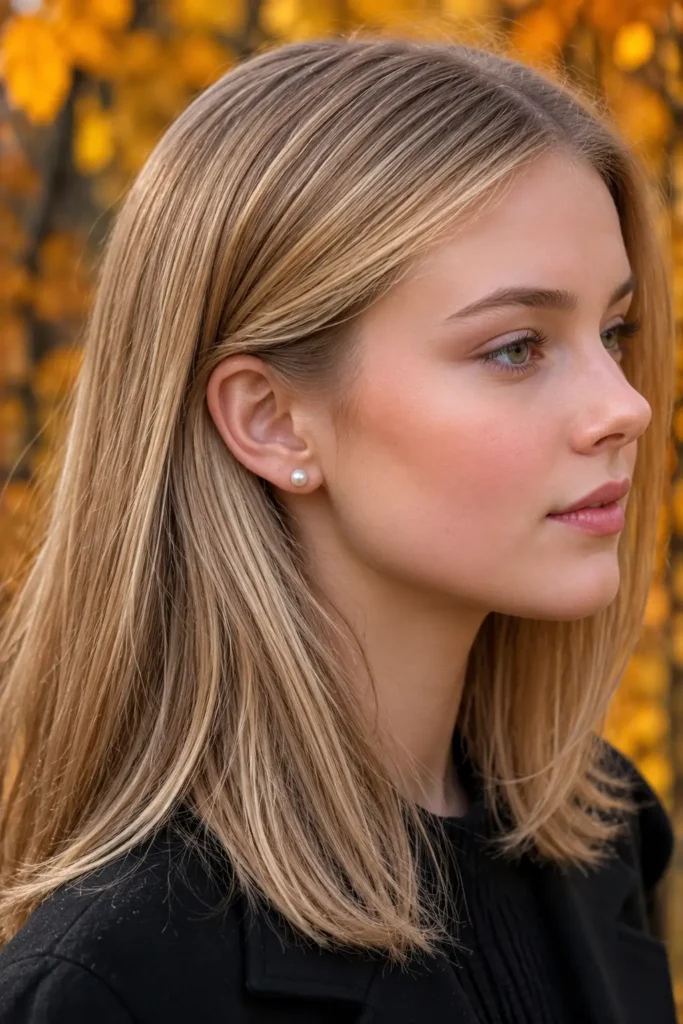
This variation starts with a cooler rose gold base and transitions into a warmer golden blonde toward the ends. It is a playful combination that feels current without being too unconventional. The pink element tends to fade faster than the gold, so within six weeks the rose gold often softens to a peach-amber that can actually look even better than the original. A colour-safe shampoo without sulfates will help slow the fade on both tones.
9. Golden Balayage for Short Bob
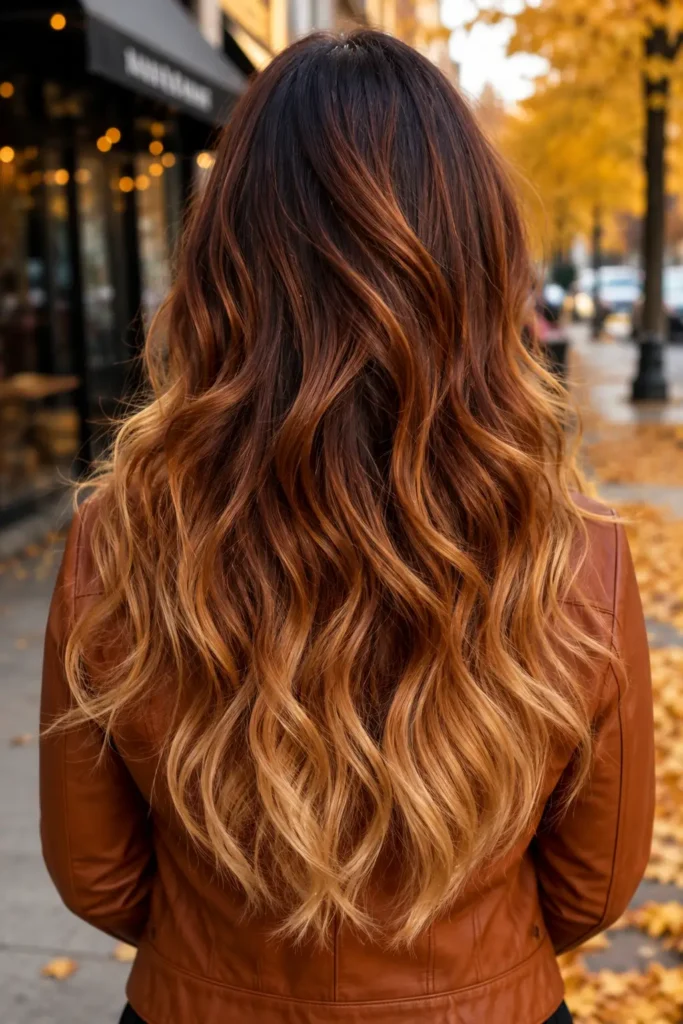
Short hair carries balayage differently because there is less length for the gradient to develop. On a bob, the placement needs to be more deliberate, often with lighter sections concentrated at the perimeter and around the face while the interior stays darker. The contrast reads as framing rather than ombre. This is one of the most underrated applications of golden blonde balayage because the results on a sharp bob cut are genuinely striking.
10. Natural-Looking Golden Blonde for Redheads
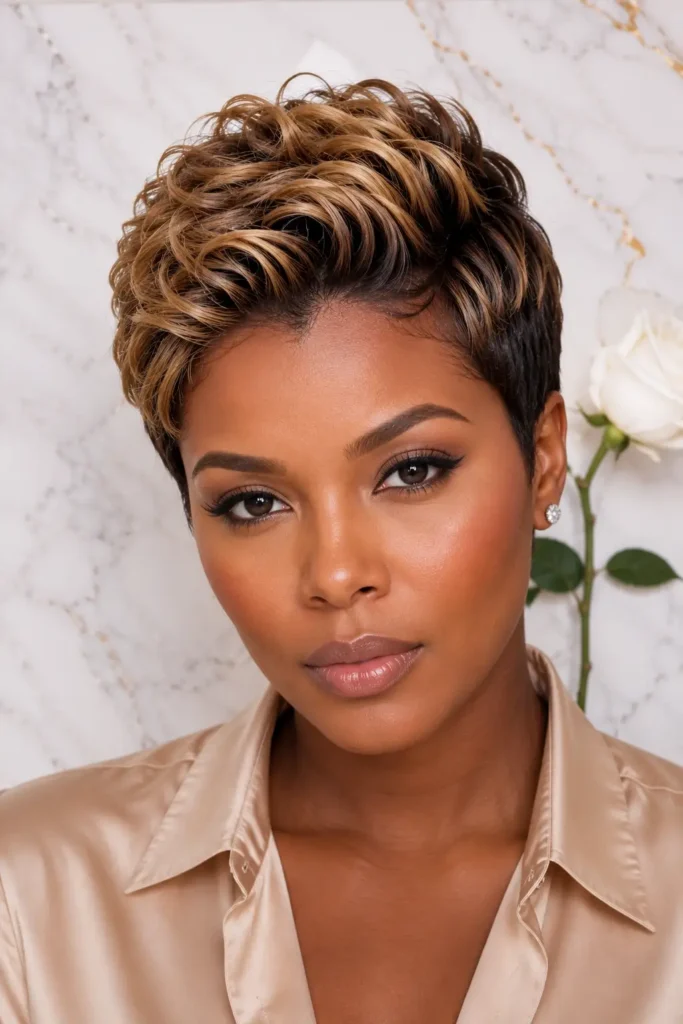
Red or auburn hair can develop golden blonde tones without needing to be fully lifted first, because the underlying warmth is already present. A colorist can work with this by bleaching select sections and toning them to a golden rather than neutral blonde, which keeps the result in the same warm family as the natural base. The transition looks organic in a way that is harder to achieve with cool blondes on red hair.
11. High-Contrast Golden Highlights on Black Hair
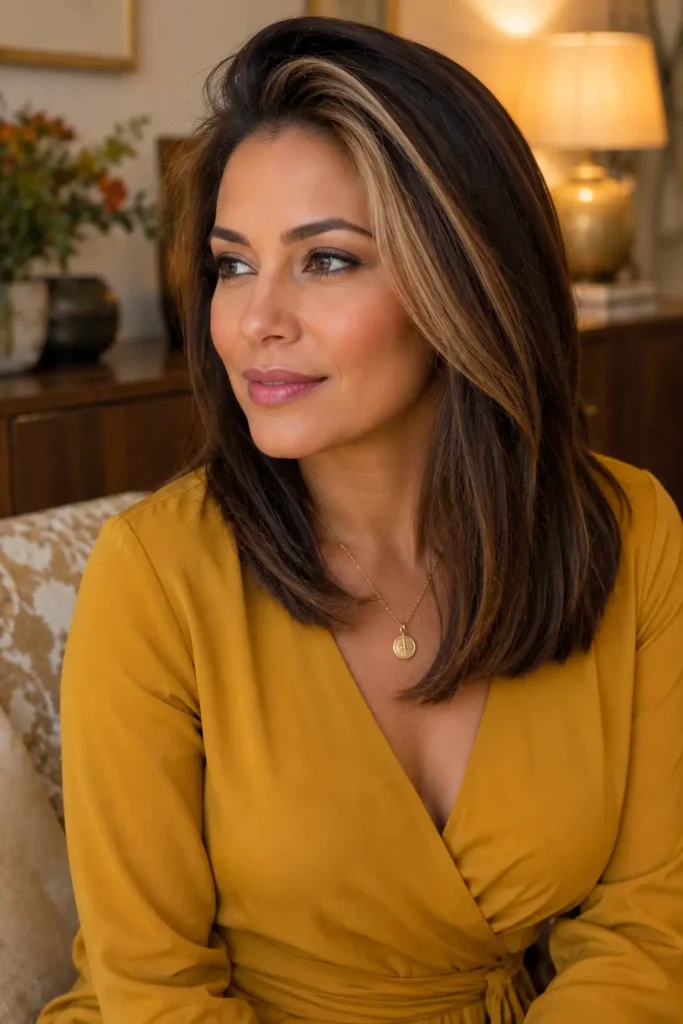
This is a bold choice that works when the placement is precise. Bleaching sections of naturally black hair to a golden blonde requires significant lift, usually two separate lightening sessions, and the tone must be carefully controlled at the end to avoid orange. The result is a high-contrast look that photographs dramatically. The trade-off is maintenance, because the root regrowth at Level 1 against Level 8 gold is very visible at eight weeks.
12. Golden Blonde Babylights for Fine Hair
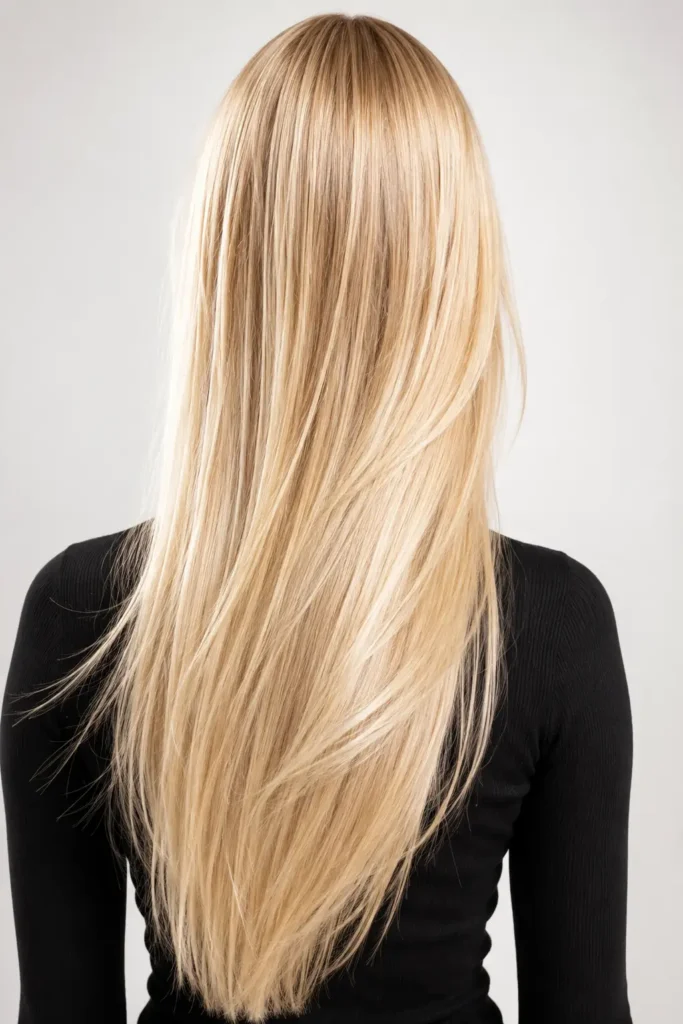
Babylights are extremely fine highlights that mimic the natural color variation of a child’s hair. Paired with a golden blonde tone, they create a diffused, almost glowing effect that suits fine hair particularly well because the individual sections are not heavy enough to flatten the hair. This technique takes longer in the chair than standard balayage, but the result looks more natural than almost any other highlighting method.
13. Warm Golden Balayage for Women Over 50
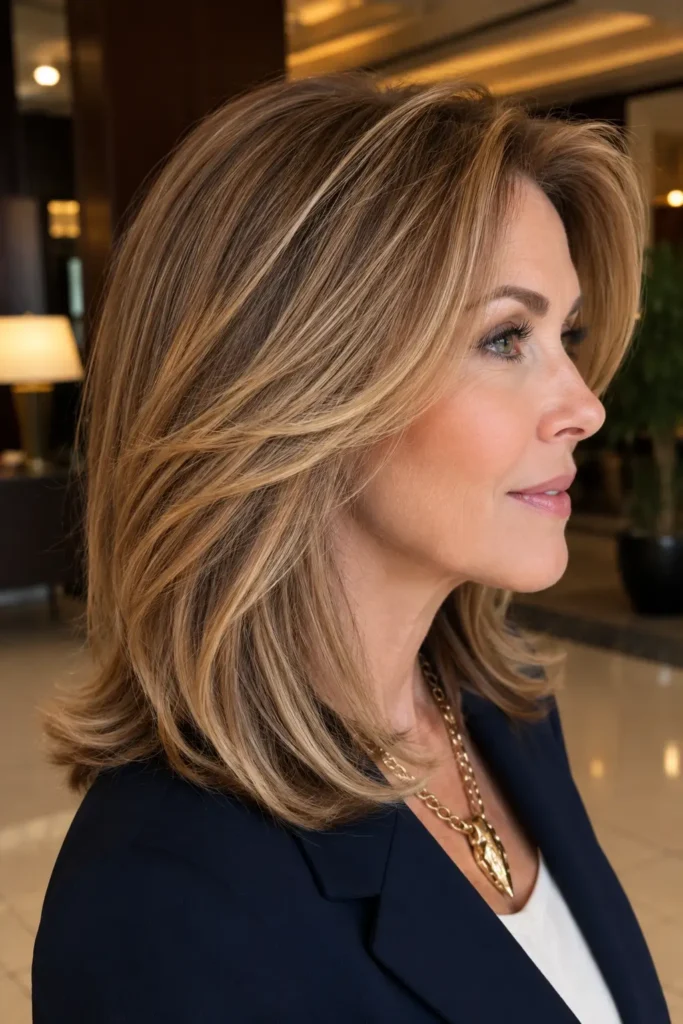
Skin tones shift as we age, and the very cool, ashy blondes that look fresh on younger skin can appear washing out on mature complexions. Warm golden blonde avoids this problem because the gold and honey tones in the color actually reflect warmth onto the face. This is one of the most consistent pieces of advice I give to HerStyleNest readers who are making their first color change after going grey or wanting to refresh a previous color. You can read more about this in our guide to the best hair colors for women over 50 on HerStyleNest.com.
14. Copper-to-Gold Fade
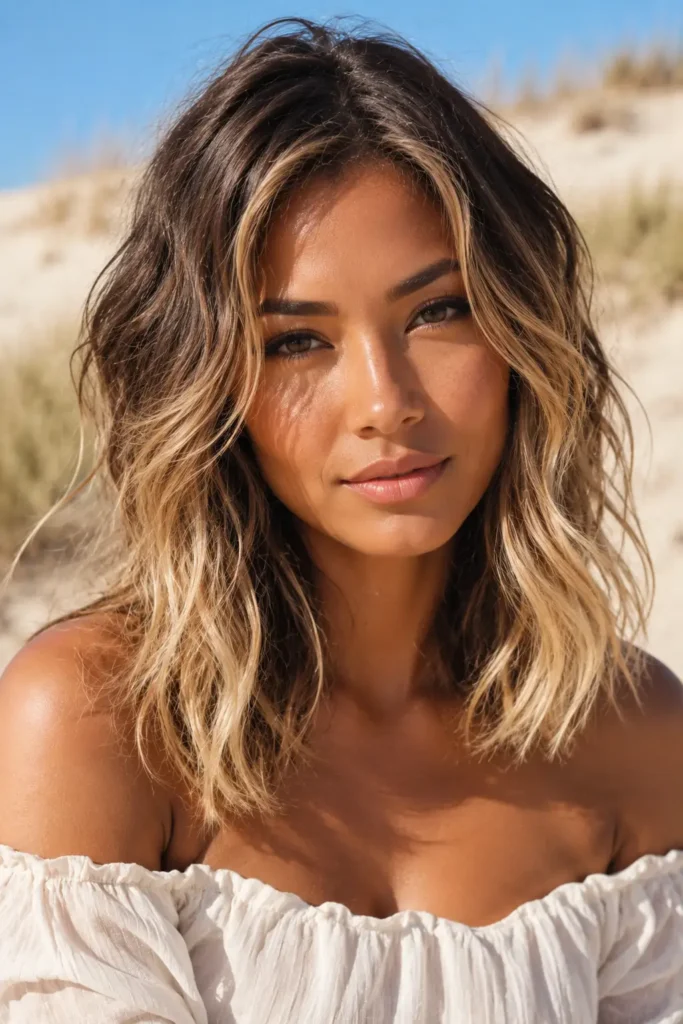
This is a closely related technique in which the base of the hair has a copper or auburn tone and the balayage fades into a true golden blonde at the ends. It suits warm skin tones and green or hazel eyes in a way that feels almost custom-matched. The copper element tends to fade first, which gradually shifts the overall look toward a more uniform golden blonde. Some clients book a copper gloss at the six-week mark to refresh the root area and extend the life of the color.
15. Golden Balayage on Natural Waves
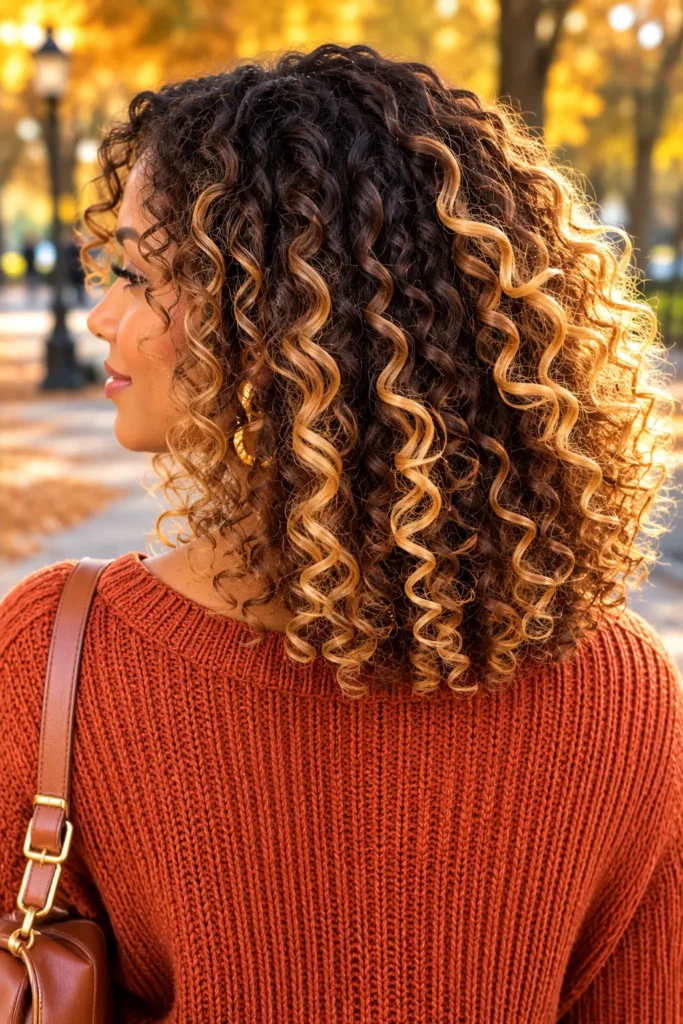
Wavy and curly hair textures diffuse color differently than straight hair because the color sits on the ridges of each wave rather than lying flat along the shaft. The effect is that golden blonde balayage on wavy hair often looks richer and more multi-dimensional than the same color on straight hair, because light hits the crests of the waves and reads as brighter than the color sitting in the valleys. A curl-defining cream like the Cantu Shea Butter Leave-In will help the texture frame the color properly.
16. Subtle Balayage for a Conservative Look
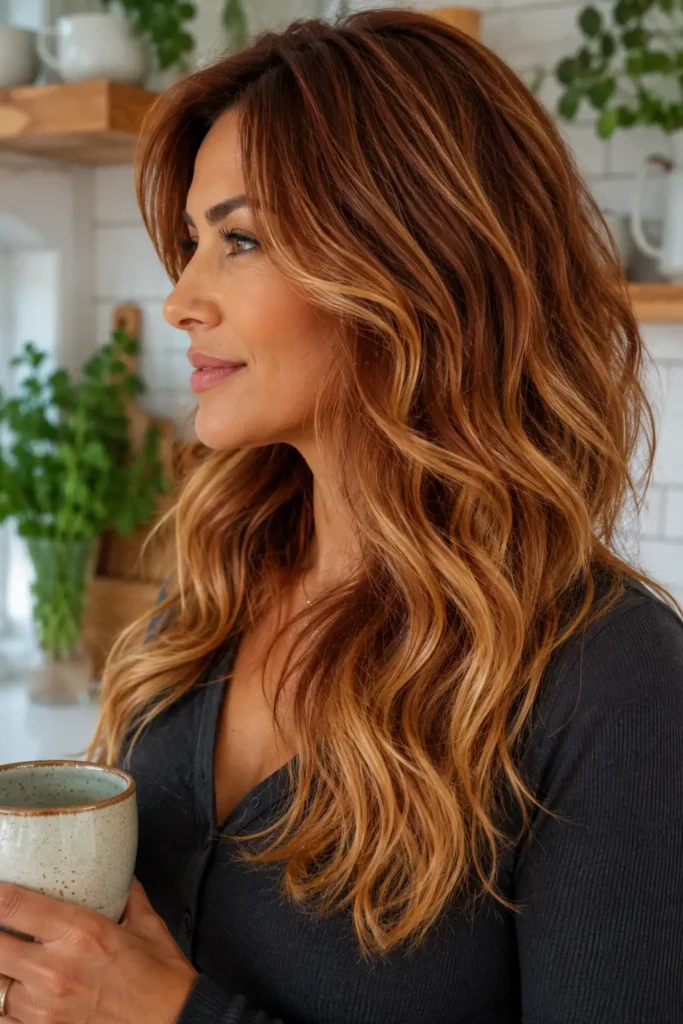
Not everyone wants their color to be the first thing people notice. A subtle variation of golden blonde balayage places very few, very fine highlights predominantly around the face and at the very surface of the hair. From a distance, the hair looks like your natural color with a little more life. Up close, or in certain lighting, the gold becomes apparent. This is the variation I usually recommend to people who work in conservative professional environments or who are testing the idea for the first time.
17. Ombre-Style Golden Blonde from Mid-Shaft
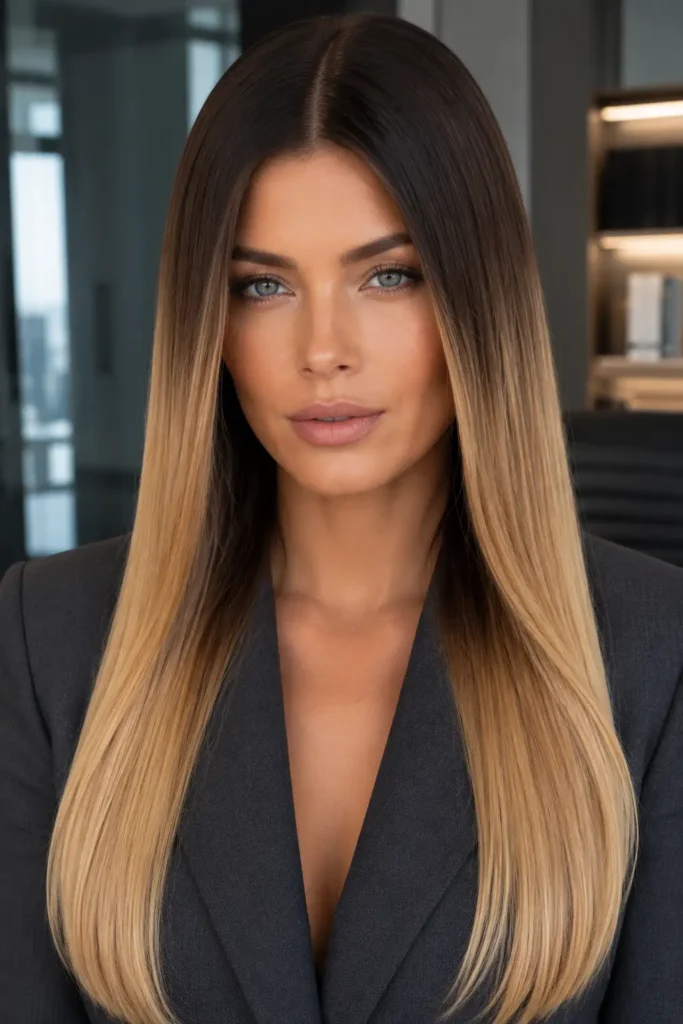
This leans more toward ombre than true balayage because the transition point starts at a clearly defined mid-shaft rather than being swept through the hair freehand. The top half stays dark, the bottom half lightens to golden blonde. It is lower maintenance than a full balayage because the demarcation line sits far from the root, so regrowth is invisible for longer. This works best on hair that falls past the shoulder because there is enough length for the gradient to read clearly.
18. Bronde with Golden Blonde Pops
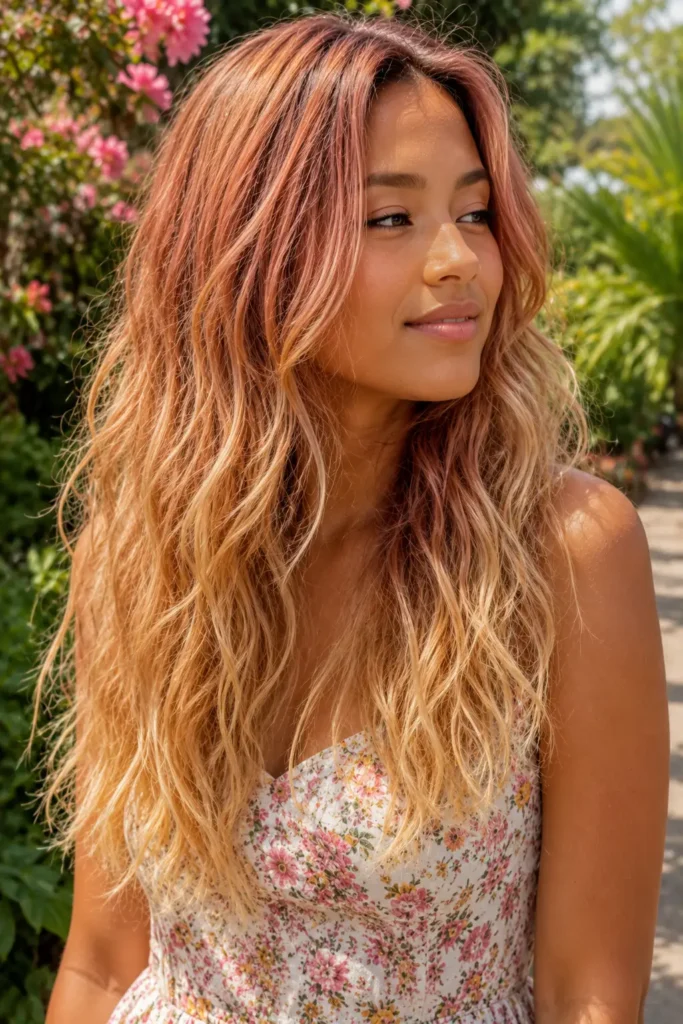
Bronde, the combination of brown and blonde, is a natural starting point for golden blonde balayage. Rather than lightening the hair uniformly, the colorist creates concentrated pops of warm gold in specific sections while leaving much of the brown intact. The result is a lively, textured look rather than a uniform shift. It reads as dimensional on camera and suits almost every skin tone because the brown base provides balance against the warmer gold sections.
19. Golden Blonde Balayage for Pixie Cuts
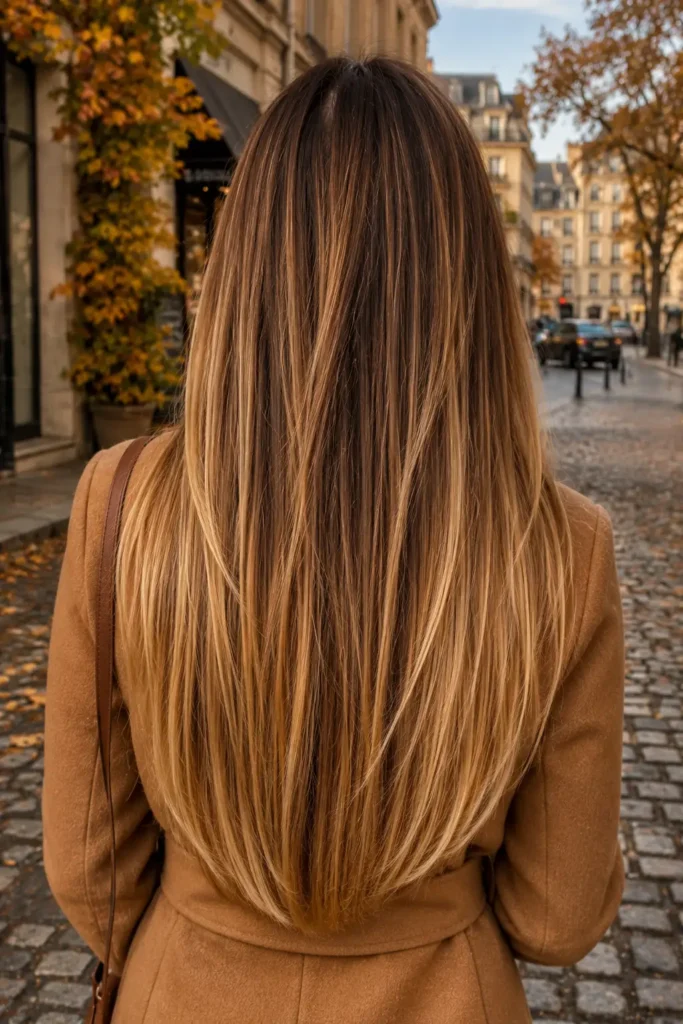
Very short hair demands very deliberate placement because there is almost no length for the color to travel through. On a pixie, golden blonde balayage is typically applied to the top sections and left longer sides, while the nape stays dark. The effect creates an illusion of volume on the crown. The maintenance is actually lower than with longer styles because the hair grows out quickly and the colored sections rotate out faster.
20. Golden Tone Refresh Gloss Treatment
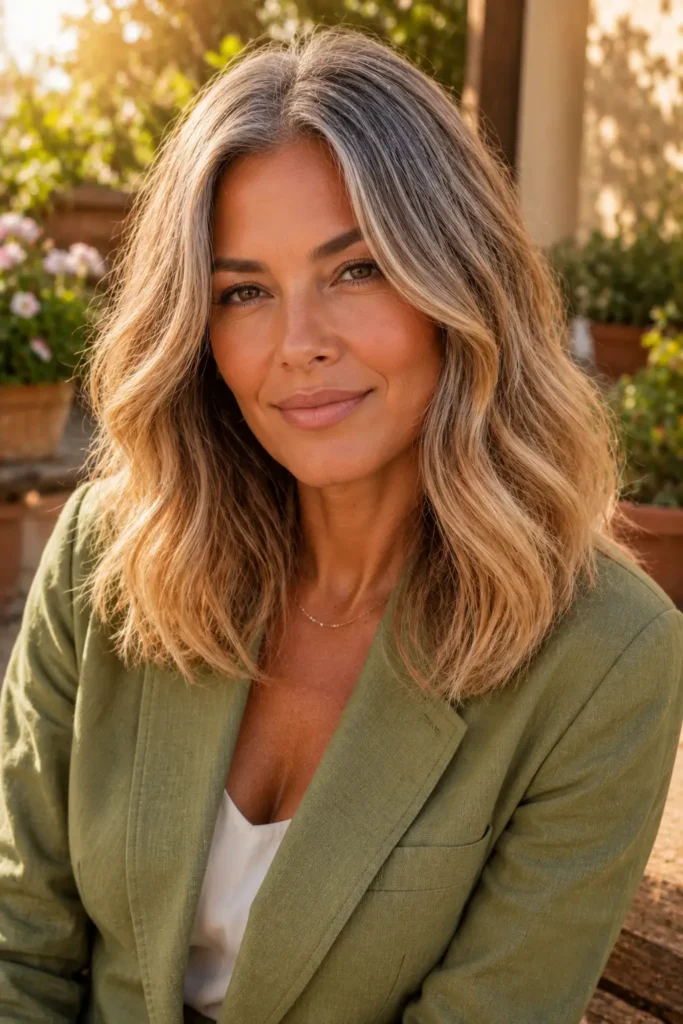
This is less of a new balayage application and more of a maintenance step that belongs in your color routine every six to eight weeks. A golden-toned gloss, applied to your existing balayage, redeposits warm pigment that fades out of the hair between salon visits. It does not require lifting or bleaching, which means it is relatively safe for already-processed hair. At home, Kristin Ess Hair Signature Gloss in Toasted Toffee is a version you can apply yourself in the shower.
21. Full Golden Blonde Transformation
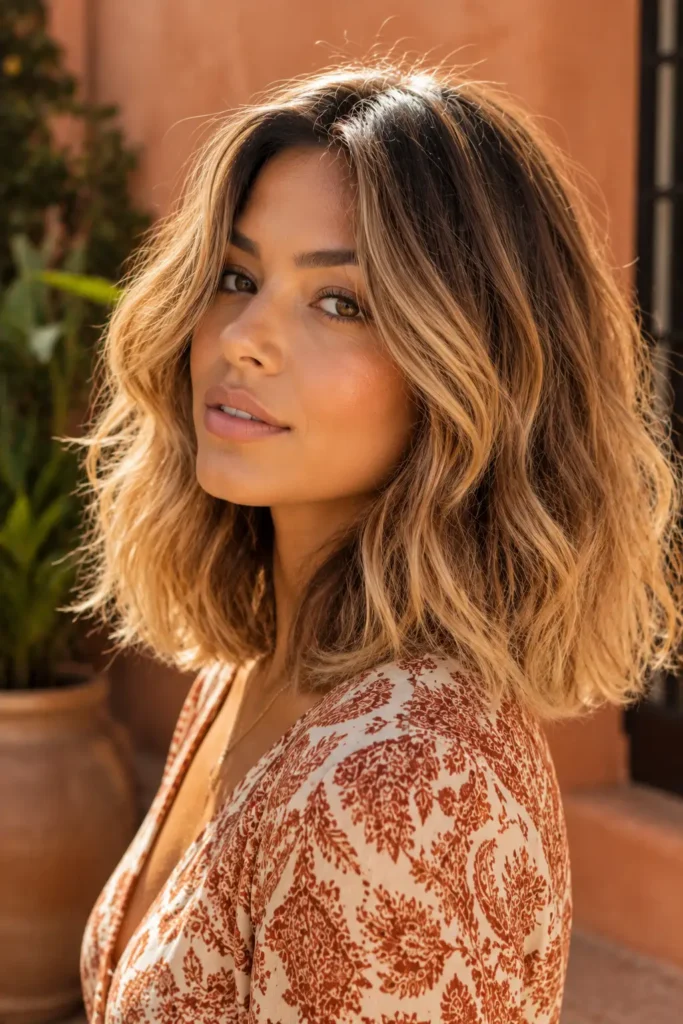
This is the all-in version: a full head of balayage that lightens most of the hair to a rich golden blonde, leaving only a small amount of the natural root showing at the hairline. The result is closer to a full blonde than a subtle highlight, but because the technique is still freehand-painted rather than foiled, the finish looks less uniform and more alive. This level of lift usually requires a toner at the end to control the warmth, and blue shampoo or purple shampoo used sparingly on alternating washes will manage brassiness between appointments.
How to Choose the Right Golden Blonde Shade for Your Skin Tone
Skin tone is the variable that determines whether golden blonde balayage reads as beautiful or jarring. Fair, cool-toned skin can handle the full spectrum from light golden through to honey, though the very darkest honey tones can feel heavy against very pale complexions. Warm, olive, or medium skin tones suit golden blonde particularly well because the warmth in the color and the warmth in the skin occupy the same tonal family.
Deep skin tones are not excluded from golden blonde balayage, but the placement and starting point change the approach. A Level 4 or Level 5 base lifted to golden blonde creates a result that is richer and more dramatic than the same technique on a Level 6 base, and that richness tends to suit deeper complexions in a way that very light blonde does not. If you are unsure which direction to take, HerStyleNest has a guide to matching hair color to skin tone that walks through this in more detail.
Eye color is a secondary consideration. Green and hazel eyes tend to pick up warmth from golden tones and look distinctly brighter against a backdrop of honey and gold. Blue eyes can also work well, though some people find the contrast of very warm gold against very cool blue pulls attention to the warmth rather than the eyes. Brown eyes are genuinely versatile here and suit every variation of golden blonde balayage.
What to Tell Your Stylist Before Your Appointment
The biggest mistake people make in the consultation is describing a tone rather than showing reference photos. “Warm golden blonde” means different things to different colorists. Bring three to five photos that show the specific depth, placement, and tone you are looking for, and also bring one photo that shows a result you do not want, so your stylist understands where the line is for you.
Tell your stylist your complete color history for at least the past two years. Any previous permanent color, box dye, or chemical service affects how the hair will respond to bleach. Certain drug store dyes contain metallic salts that can react unpredictably with lightener. Being upfront about this is not embarrassing; it is essential safety information that protects your hair.
Also discuss your maintenance expectations honestly. If you cannot come back to the salon every eight weeks, ask for a placement and depth that will grow out gracefully rather than one that looks perfect at four weeks and terrible at ten. A skilled colorist can adjust the technique significantly based on how much time you have between appointments.
Common Balayage Mistakes and How to Avoid Them
The most common mistake is going too light too fast. A first balayage session on dark hair should almost never reach Level 9 or 10 blonde. The hair usually cannot handle that much lift in a single session without significant damage, and the result tends to look patchy because different sections of the hair lighten at different rates. Plan for two sessions if you are starting from Level 4 or darker.
The second mistake is skipping the toner. Many people see the warm result after bleach and assume that is the finished color. It is not. The toner is what refines the tone from a raw lift into the actual golden blonde you wanted. Without toner, you usually end up with yellow-orange rather than warm gold. Do not leave the salon without this step, and ask your colorist specifically which toner they are applying and what undertone it will deposit.
The third mistake is using the wrong aftercare products. Coconut oil, which is in many hair masks, can actually interfere with color by blocking the uptake of toner and making hair more difficult to color at the next appointment. Stick to products designed specifically for color-treated hair and check the ingredient lists if you are buying something new.
Seasonal and Trend Context for Golden Blonde
Golden blonde balayage has moved through trend cycles rather than disappearing, which is one of the reasons it is worth investing in. In 2024 and continuing into 2025, the warm blonde revival is driven partly by the broader shift away from the ashy, cool tones that dominated through the early part of the decade. Honey blonde in particular has seen a significant increase in Pinterest search volume according to data tracking sources.
Summer applications tend to go lighter, with colorists pushing the golden tone closer to a Level 9 and concentrating placement on the surface of the hair where sunlight hits naturally. Winter applications often stay richer and more golden-honey, with less contrast between root and ends. This seasonal variation is one of the things I appreciate about this color family; the same technique and tone can feel season-appropriate with relatively minor adjustments to depth and placement.
Frequently Asked Questions About Golden Blonde Balayage
How long does golden blonde balayage last?
The color itself does not wash out, but it does fade and develop brassiness over time. Most people find a gloss or toner refresh is helpful at six to eight weeks. The full balayage placement lasts four to six months before the root regrowth becomes significant enough to warrant a new application.
Can I get golden blonde balayage on dark hair?
Yes, but the process usually takes longer and may require two sessions to avoid damage. The darker your starting color, the more lift is required to reach a golden tone. A skilled colorist will assess your hair’s condition and history before committing to how much lightening is safe in a single appointment.
How much does golden blonde balayage cost?
Pricing varies significantly by location and salon. In the United States, a full balayage service typically ranges from $150 to $350 before tip. Add a toner and a gloss at $50 to $100, and budget for a trim at the same appointment to remove any heat-damaged ends from previous coloring.
Will golden blonde balayage turn brassy?
It will develop some warmth over time due to the porous nature of lightened hair absorbing minerals from water and oxidizing. A purple or blue shampoo used weekly manages this effectively. An in-salon gloss every two months keeps the tone exactly where you want it between full balayage sessions.
How do I know if golden blonde suits my skin tone?
Warm skin tones with yellow or olive undertones tend to suit golden blonde best. Fair skin with pink undertones can also work well. If you are uncertain, ask a colorist to hold a swatch near your face in natural light before committing. The warmth in the gold should make your skin look healthier, not washed out.
Is balayage better than highlights for fine hair?
In most cases, yes. Balayage does not saturate the hair with product the way foil highlights do, which means the hair stays lighter after the color processes. This is a meaningful benefit for fine hair, where added weight from product can flatten the style. The freehand technique also allows the colorist to place color precisely where it adds the most visual depth.
Can I do golden blonde balayage at home?
You can, but I would not recommend it for a first attempt, especially on dark hair. The risk of uneven lift, brassy patches, or over-processing is significant without professional experience. A partial balayage in a salon, which costs less than a full service, is a safer starting point if budget is the concern.
How do I maintain golden blonde balayage between salon visits?
Use a sulfate-free color-safe shampoo for most washes, a purple shampoo once per week to manage warmth, a weekly deep conditioning mask, and a heat protectant before any styling tool. Avoid chlorine without a protective product, as pool water can shift golden tones green on lightened hair.
Sarah Williams
Hi, I’m Sarah Williams — the founder of HerStyleNest, where beauty meets modern style. I share trendy hairstyles, chic nail designs, and fashion inspiration for women who love staying stylish every season. From everyday elegance to viral beauty trends, HerStyleNest is your go-to destination for effortless fashion and beauty ideas.